Molybdenum trioxide (MoO₃) is a critical industrial material widely used in sectors such as electronics, chemicals, and metallurgy. The efficient and safe transportation of MoO₃ is vital for maintaining production efficiency and ensuring product quality. Pneumatic conveying systems have become a preferred solution for handling this material due to their ability to minimize dust exposure, enhance process control, and improve overall operational safety. This article provides a comprehensive overview of the design considerations, key components, and operational principles of a molybdenum trioxide pneumatic conveying system, highlighting the expertise of Shandong HeadPowder Engineering Co., Ltd. in delivering tailored solutions for industrial applications.
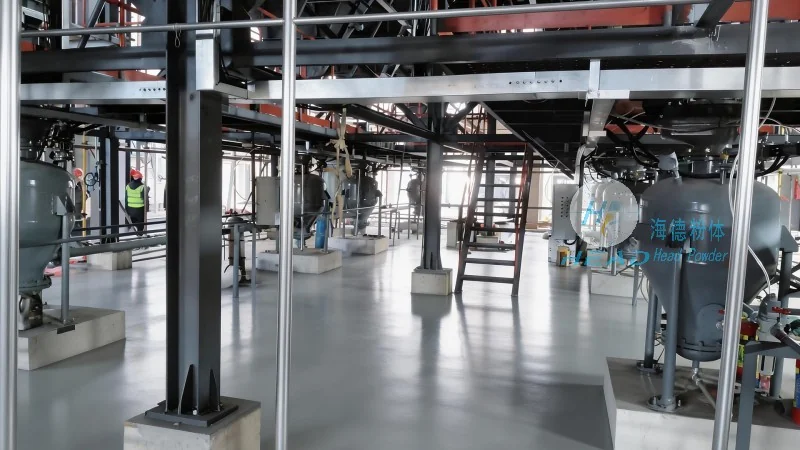
Key Design Considerations for MoO₃ Pneumatic Conveying
The design of a molybdenum trioxide pneumatic conveying system involves several critical factors that must be carefully evaluated to ensure optimal performance and safety. First, the material's physical properties—including its density, particle size distribution, and flow characteristics—play a pivotal role in determining the appropriate conveying velocity and system configuration. MoO₃ particles are typically fine and can be prone to agglomeration, which may affect system efficiency. Thus, the selection of a suitable conveying method—such as dilute-phase or dense-phase transport—depends on these characteristics. Additionally, the system must be designed to handle the material's potential reactivity and the need for dust control measures, as MoO₃ is a hazardous substance requiring strict adherence to safety regulations.
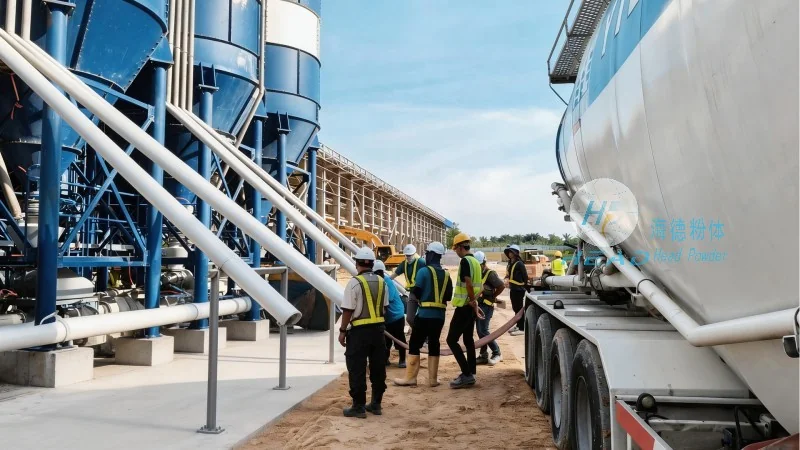
Core Components of the Pneumatic Conveying System
Shandong HeadPowder Engineering Co., Ltd. specializes in designing and manufacturing comprehensive pneumatic conveying systems tailored to MoO₃ handling. The core components of such a system typically include a material feed hopper, a rotary valve or feeder for controlled material discharge, a conveying pipeline network, a blower or compressor to generate necessary air flow, and a receiver or collection tank. The feed hopper stores MoO₃ and provides a consistent feed rate, while the rotary valve ensures controlled discharge to prevent blockages and maintain system stability. The conveying pipeline is constructed from corrosion- and abrasion-resistant materials like stainless steel or special alloys to withstand harsh transport conditions. The blower or compressor supplies the pressure or vacuum required to move material through the pipeline, with the system designed for energy efficiency and minimal air leakage. Finally, the receiver or collection tank stores conveyed MoO₃, featuring dust collection and filtration to ensure environmental compliance.
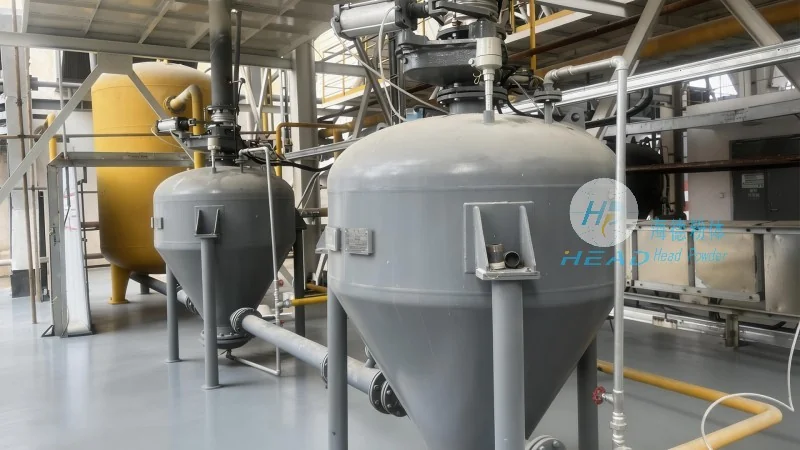
Advantages of Pneumatic Conveying for MoO₃
Compared to traditional bulk material handling methods, pneumatic conveying offers several advantages for molybdenum trioxide transportation. One primary benefit is minimizing dust exposure, crucial for workplace safety and environmental compliance. The closed system reduces MoO₃ dust dispersion, protecting personnel and the environment. Additionally, pneumatic conveying allows precise control over flow rate and pressure, enabling better process integration and improved product quality. The system's flexibility also allows easy integration with existing production lines, reducing downtime and installation costs. Furthermore, the enclosed nature maintains material purity, preventing contamination from external sources and ensuring consistent product characteristics.
Customization and Scalability
Shandong HeadPowder Engineering Co., Ltd. offers customized pneumatic conveying solutions for MoO₃ handling, understanding each industrial application has unique requirements. The company's engineers collaborate with clients to assess specific needs—including material volume, transport distance, and desired performance—ensuring the final system is optimized for efficiency, reliability, and cost-effectiveness. The company also provides scalable solutions, allowing clients to expand systems as production needs grow. Whether for small-scale laboratory applications or large-scale industrial operations, HeadPowder Engineering designs systems tailored to exact client specifications.
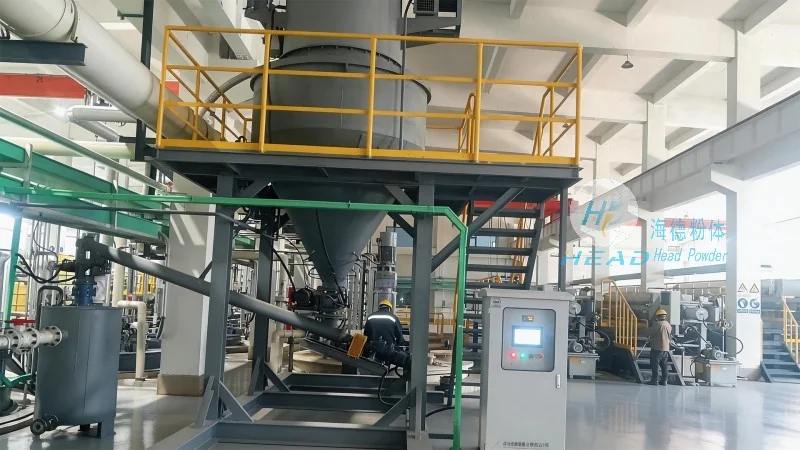
Operational Safety and Compliance
Given MoO₃'s hazardous nature, operational safety is a top priority in system design. Shandong HeadPowder Engineering Co., Ltd. adheres to stringent safety standards and regulations. The design incorporates features such as explosion-proof blower motors, dust collection systems, and emergency shut-off valves to prevent accidents and minimize risks. Regular maintenance and inspection protocols ensure the system operates within safe parameters. The company's commitment to safety extends to providing comprehensive training to clients on proper operation and maintenance, further enhancing workplace safety.




