HeadPowder, a leading engineering firm based in Shandong, China, specializes in the design, calculation, and selection of equipment for paint pneumatic conveying systems. This article provides an overview of the key considerations and processes involved in optimizing paint handling through pneumatic systems, ensuring efficient and reliable material transport for various industrial applications.
Key Factors in Paint Pneumatic Conveying Design
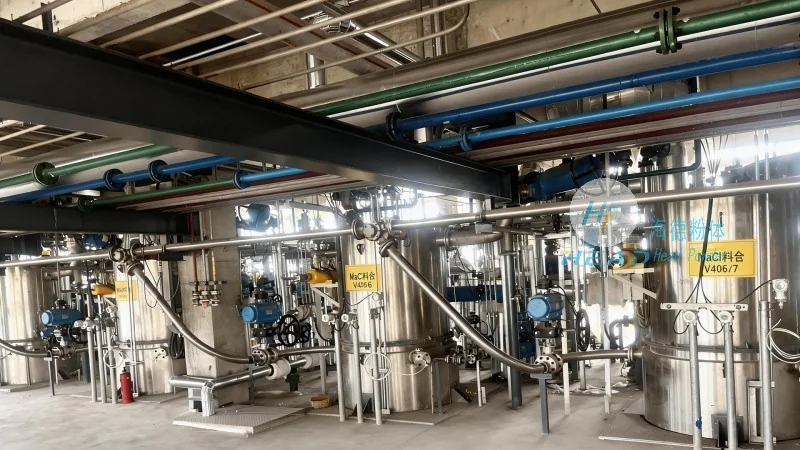
When designing a paint pneumatic conveying system, several critical factors must be considered to ensure optimal performance and longevity. The first step is to evaluate the physical properties of the paint, such as viscosity, density, and particle size distribution. These characteristics directly impact the selection of the conveying method—whether it's a dilute phase or dense phase system—and the required air pressure and flow rates. Additionally, the system's layout, including the distance between the feed point and discharge point, and the presence of vertical or horizontal sections, influences the design. HeadPowder engineers use advanced computational tools to model these variables, ensuring that the system operates within safe and efficient parameters.
Equipment Selection for Paint Pneumatic Conveying
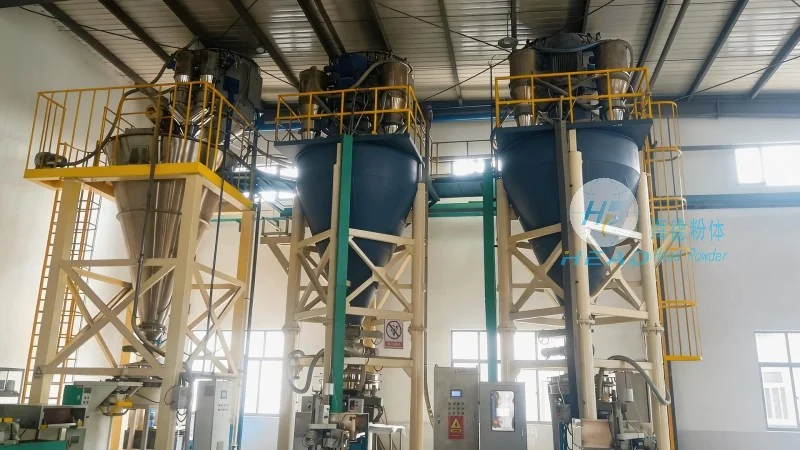
HeadPowder offers a comprehensive range of equipment tailored to the specific needs of paint pneumatic conveying. The primary components include feeders, air movers (blowers or compressors), conveying lines, and collection vessels. For paint applications, rotary feeders are commonly used due to their ability to handle viscous materials without clogging. These feeders ensure a consistent feed rate, which is crucial for maintaining system stability. The air mover, typically a high-pressure blower, provides the necessary airflow to transport the paint particles through the system. The conveying line, often made of stainless steel or other corrosion-resistant materials, is designed to withstand the chemical properties of the paint and prevent contamination. Collection vessels are equipped with filters and cyclones to separate the paint from the air, ensuring clean material recovery and reducing waste. Each component is selected based on the system's design calculations, guaranteeing compatibility and performance.
Design Calculation Process
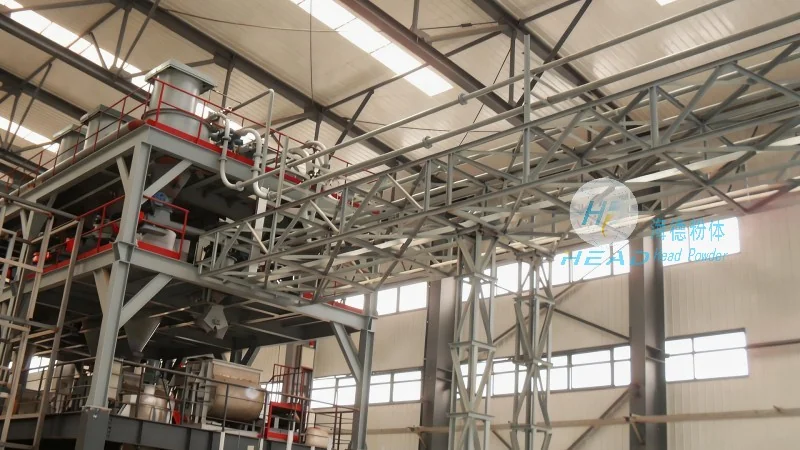
The design calculation process for paint pneumatic conveying involves a systematic approach to determine the required air volume, pressure, and power. Engineers at HeadPowder begin by collecting data on the paint's physical properties, such as the bulk density and particle size. Using this data, they calculate the air velocity needed to maintain a stable conveying condition, typically between 20-30 m/s for dilute phase systems. The air volume is then determined based on the material flow rate and the selected conveying line diameter. The pressure drop across the system is calculated by considering the friction losses in the lines, the losses at bends and fittings, and the acceleration of the material. This calculation helps in selecting the appropriate air mover with sufficient capacity and pressure. Additionally, the power consumption is estimated to ensure the system operates within the client's energy budget. HeadPowder's engineers use specialized software and industry standards to perform these calculations accurately, minimizing the risk of system failures and optimizing operational efficiency.
Benefits of Professional Design and Equipment Selection
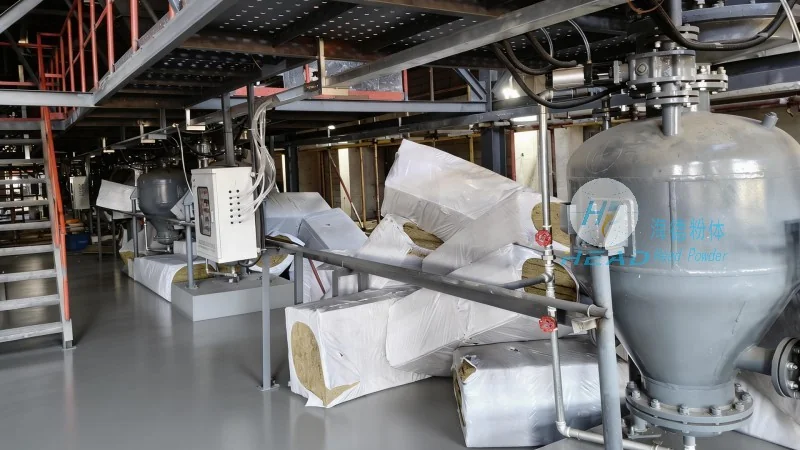
Choosing a professional engineering firm like HeadPowder for paint pneumatic conveying design and equipment selection offers several advantages. Firstly, it ensures that the system is tailored to the specific requirements of the paint, preventing issues such as clogging or material degradation. The use of high-quality, corrosion-resistant materials and well-designed components extends the system's lifespan and reduces maintenance costs. Additionally, the optimized design minimizes energy consumption, leading to lower operational expenses over time. The comprehensive approach also includes considerations for safety, such as proper ventilation and explosion-proof designs for flammable paint materials. By working with HeadPowder, clients can benefit from expert guidance that aligns with industry best practices, ensuring reliable and efficient paint handling solutions.




