

Introduction to Glass Bead Conveying Systems and the Advantages of Glass Bead Pneumatic Conveying
Shandong HeadPowder Engineering Co., Ltd., a leading manufacturer based in Shandong, China, specializes in the design and production of advanced glass bead conveying systems. The company's expertise lies in developing customized solutions that meet the specific needs of various industrial applications, ensuring optimal performance and reliability.
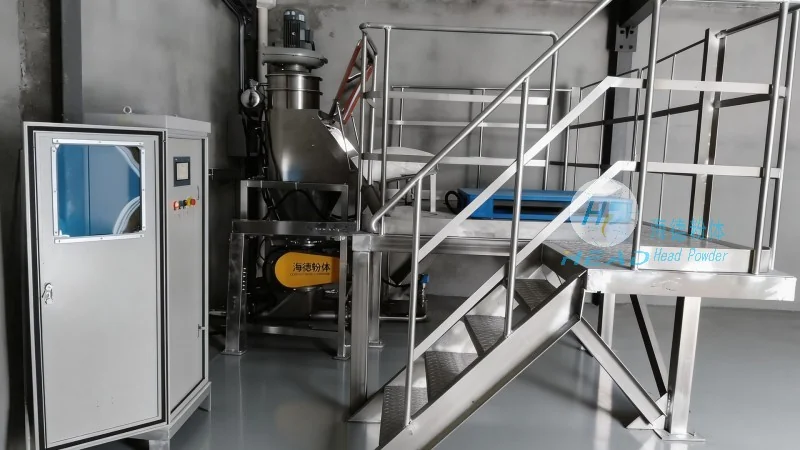
Glass Bead Conveying Systems: An Overview
Glass bead conveying systems are essential in industrial applications where efficient material handling is critical. These systems are designed to transport glass beads, a type of fine particulate material, from one location to another with precision and reliability. The technology behind these systems leverages pneumatic principles, making them a preferred choice for many industries due to their versatility and effectiveness.
Pneumatic Conveying: The Core Technology
Pneumatic conveying, also known as air conveying, is the primary method used in glass bead conveying systems. This technology involves using compressed air to move the glass beads through a pipeline. The system can be either positive pressure, where air is forced into the line, or negative pressure, where air is drawn out. Positive pressure systems are often preferred for glass bead applications as they provide better control over the material flow and reduce the risk of dust emissions. The use of pneumatic conveying allows for a closed system, which is beneficial for maintaining product purity and preventing contamination.
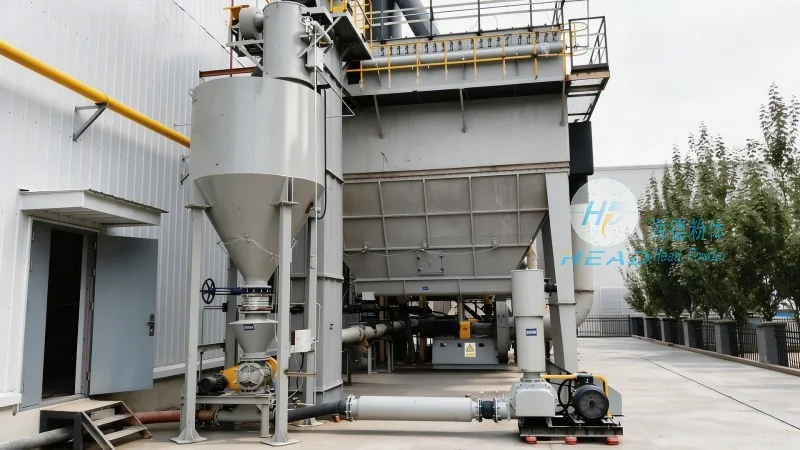
Advantages of Glass Bead Pneumatic Conveying
There are several key advantages that make glass bead pneumatic conveying an attractive option for industrial operations. First, it offers high efficiency in material transport, as the system can move large quantities of glass beads over significant distances with minimal downtime. Second, the technology is highly flexible, allowing for changes in the conveying route or capacity without major modifications to the system. Third, pneumatic conveying systems are relatively compact compared to traditional mechanical conveyors, saving valuable floor space in industrial facilities. Additionally, these systems can be integrated with other processing equipment, creating a seamless material handling workflow. The ability to handle fine particles without clogging or blockages is another significant advantage, as glass beads can be prone to sticking together or clogging in traditional conveyors.
Applications in Various Industries
Glass bead conveying systems are widely used across multiple industries, including manufacturing, construction, and chemical processing. In the manufacturing sector, these systems are used to transport glass beads for coating applications, where the beads are used as a filler or abrasive in products like paints, adhesives, and sealants. The construction industry utilizes glass bead conveyors for transporting beads used in road surfacing and concrete additives, enhancing the durability and texture of the final product. In the chemical industry, glass beads are used as filtration media or catalyst supports, and the conveying systems ensure that these materials are handled safely and efficiently.
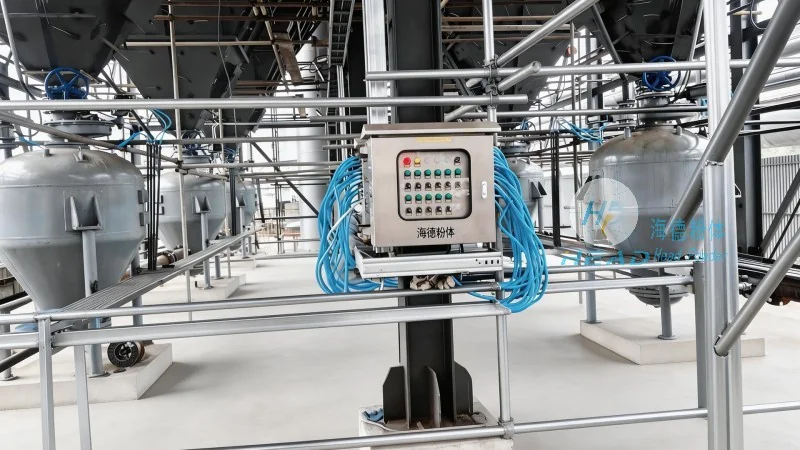
Key Features and Components
The effectiveness of a glass bead conveying system depends on several key features and components. The hopper, which is typically made of stainless steel or other corrosion-resistant materials, is designed to store the glass beads and provide a consistent feed to the conveyor line. The conveyor line itself is usually made of smooth, non-stick material to prevent the beads from adhering to the walls. The control unit, which may include sensors and valves, monitors the flow rate and pressure, ensuring that the system operates within optimal parameters. Additionally, many modern systems include dust collection and filtration systems to maintain air quality and comply with environmental regulations.
Benefits for Industrial Operations
Implementing a glass bead conveying system offers numerous benefits for industrial operations. The primary benefit is improved efficiency in material handling, which can lead to reduced labor costs and increased productivity. By minimizing material loss and downtime, companies can achieve better cost management and higher profitability. The flexibility of the system allows for easy integration with existing production lines, reducing the need for extensive facility modifications. Furthermore, the closed system design helps maintain product quality and purity, which is crucial for applications where contamination can affect the final product's performance. The reliability of pneumatic conveying systems also contributes to reduced maintenance costs, as these systems have fewer moving parts compared to mechanical conveyors.