Calcined sand material conveying lines are essential components in industrial processing, particularly in the sand and gravel processing, construction materials, and related manufacturing sectors. These systems are designed to efficiently transport calcined sand, a crucial material derived from the calcination of raw sand, through various stages of production. The proper functioning of such conveying lines is vital for maintaining production efficiency, ensuring material quality, and reducing operational costs in industrial settings. As a leading provider of industrial conveying solutions, Shandong HeadPowder Engineering Co., Ltd. specializes in designing and manufacturing calcined sand material conveying lines that meet the highest standards of performance and reliability.
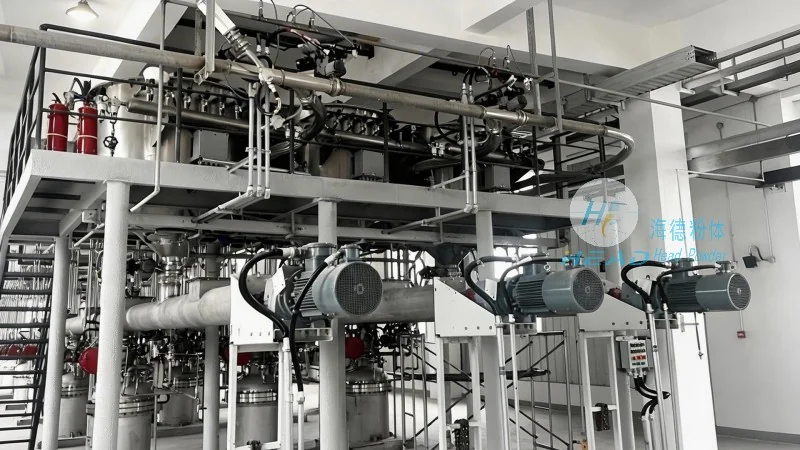
Overview of Calcined Sand Material Conveying Lines
Before delving into the working principle and features, it is essential to understand the basic structure and components of a calcined sand material conveying line. Typically, these systems consist of several key elements, including feeders, conveyors (such as belt conveyors, screw conveyors, or pneumatic conveyors), control systems, and safety mechanisms. Each component plays a critical role in the seamless operation of the entire line. The feeders are responsible for uniformly feeding the calcined sand into the conveyor system, while the conveyors transport the material from one processing stage to another. Control systems ensure that the conveying process operates at optimal speeds and under controlled conditions, and safety mechanisms protect both the equipment and personnel from potential hazards.
Working Principle of Calcined Sand Material Conveying Lines
The working principle of a calcined sand material conveying line revolves around the continuous movement of material from the source to the destination. The process typically begins with the raw calcined sand being fed into the system via a hopper or feeder. The feeder ensures a consistent flow rate, preventing overloading or underloading of the conveyor. Once the material is fed, it is transferred to the conveyor, which may be a belt conveyor, screw conveyor, or other type of conveyor depending on the specific application. Belt conveyors are commonly used for horizontal or slightly inclined transport due to their high load capacity and ability to handle a wide range of materials. Screw conveyors, on the other hand, are ideal for vertical or inclined transport and are particularly effective for handling fine or granular materials like calcined sand. Pneumatic conveyors use air pressure to move the material through a pipeline, offering flexibility in layout but requiring careful control of air pressure and flow rates to maintain efficiency.
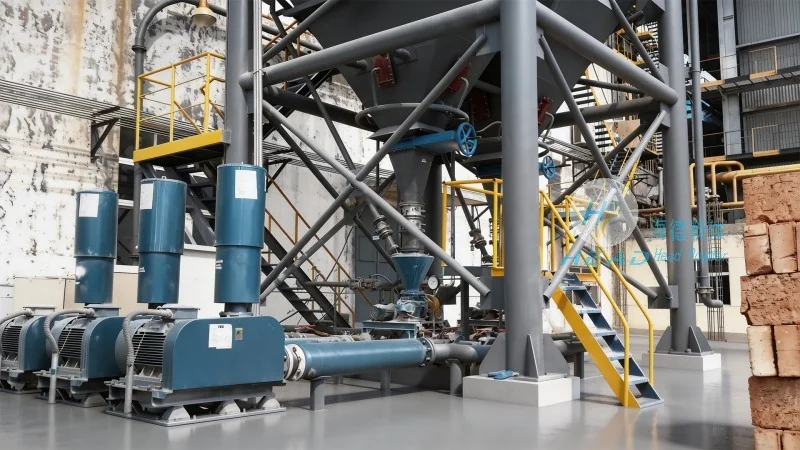
During the conveying process, the material is moved through the system by the rotation of the conveyor components. For belt conveyors, the belt rotates, and the material is carried along the belt's surface. For screw conveyors, a rotating screw (auger) pushes the material forward. Pneumatic conveyors use air to create a pressure differential that propels the material through the pipeline. The control system monitors the speed and direction of the conveyor, adjusting it as needed to maintain the desired flow rate. This ensures that the calcined sand is transported efficiently and without interruption, minimizing downtime and maximizing production output.
Key Features of Calcined Sand Material Conveying Lines
Calcined sand material conveying lines are characterized by several key features that enhance their performance and reliability. One of the primary features is their high efficiency in material transport. These systems are designed to handle large volumes of calcined sand, ensuring that the material is moved quickly and with minimal loss. The use of robust materials and components, such as stainless steel or high-strength polymers, ensures durability and resistance to wear and corrosion, which is particularly important when handling calcined sand that may contain abrasive particles.
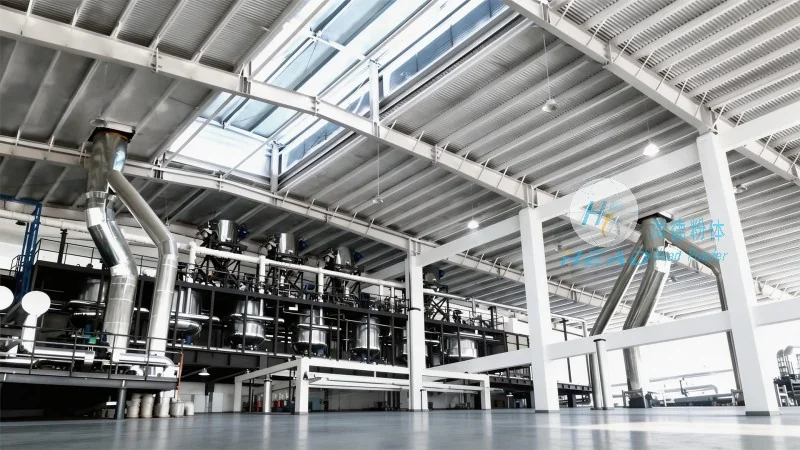
Another important feature is the flexibility in system design. Conveying lines can be customized to fit specific production requirements, including different lengths, inclinations, and layouts. This flexibility allows for integration with other processing equipment, such as crushers, screens, or storage silos, to form a complete production line. The modular design of these systems enables easy expansion or modification as production needs change, providing long-term value to the user.
Control and automation are also critical features of modern calcined sand material conveying lines. Advanced control systems allow for precise monitoring and adjustment of the conveying process, ensuring optimal performance. These systems can include sensors to detect material levels, speed, and temperature, as well as alarms and safety interlocks to prevent accidents. Automation reduces the need for manual intervention, improving safety and reducing labor costs. Additionally, the integration of data logging and analytics enables operators to track performance metrics and identify areas for improvement, leading to better overall efficiency.
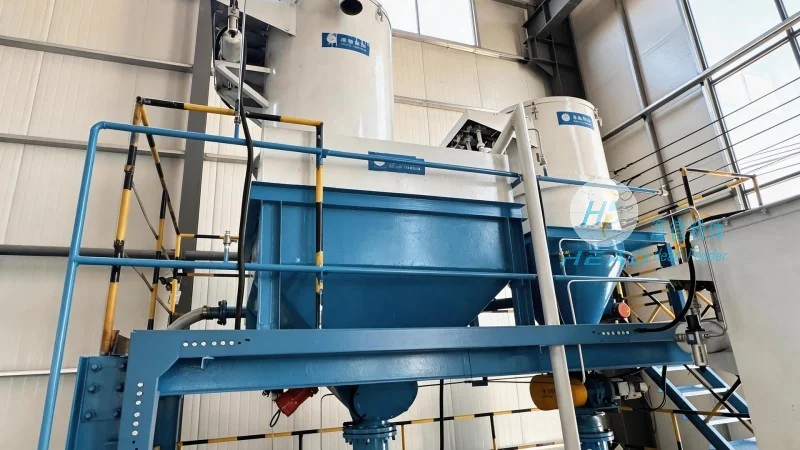
Reliability and maintenance are other key features that contribute to the effectiveness of calcined sand material conveying lines. High-quality components and robust construction ensure that the system operates reliably over long periods, with minimal downtime. Regular maintenance, including lubrication, inspection of conveyor components, and cleaning of the system, is essential to maintain performance and extend the lifespan of the equipment. The use of durable materials and proper maintenance practices reduces the risk of breakdowns and ensures consistent operation.
Application and Benefits in Industrial Settings
Calcined sand material conveying lines are widely used in various industrial applications, including sand and gravel processing, construction materials production, and manufacturing of building materials. In sand and gravel processing, these systems are used to transport calcined sand from storage silos to processing equipment, such as crushers or screens. In construction materials production, they are used to move calcined sand to mixing plants or storage areas. The benefits of using these conveying lines include improved production efficiency, reduced labor costs, and enhanced safety in the workplace. By automating the material transport process, companies can achieve higher output levels while minimizing the risk of accidents and material loss.




