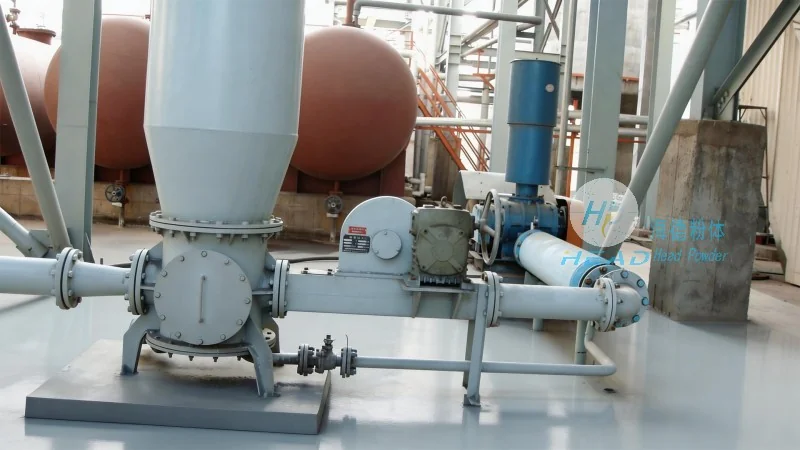
Glass fiber cellulose is a widely used material in various industrial applications, and efficient conveying systems are crucial for its handling and transportation. The glass fiber cellulose conveying system, as developed by Shandong HeadPowder Engineering Co., Ltd., represents a sophisticated solution designed to address the unique challenges associated with transporting this material. This system leverages advanced air-pneumatic conveying technology to ensure reliable, low-maintenance operation while maintaining high material integrity.
About Shandong HeadPowder Engineering Co., Ltd.
HeadPowder, the professional provider of glass fiber cellulose conveying solutions, is headquartered in Shandong, China. With a focus on innovation and customer satisfaction, HeadPowder has established itself as a leading manufacturer in the field of material handling systems. The company's expertise lies in developing customized air-pneumatic conveying systems tailored to the specific needs of various industries, ensuring optimal performance and reliability.
Key Advantages of Air-Pneumatic Conveying for Glass Fiber Cellulose
One of the primary benefits of the air-pneumatic conveying method for glass fiber cellulose is its ability to handle fine, abrasive materials without causing excessive wear on equipment. Unlike traditional mechanical conveying systems, which may suffer from high maintenance costs due to material abrasion, the air-pneumatic approach minimizes mechanical contact, reducing the need for frequent repairs and replacements. This results in lower operational costs and increased system longevity.
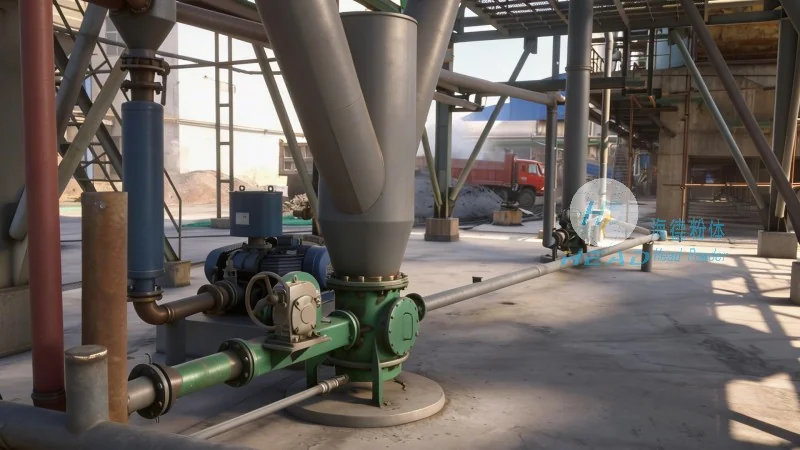
Another significant advantage is the system's ability to maintain material purity and prevent contamination. The enclosed air-pneumatic design ensures that glass fiber cellulose remains free from external pollutants, which is critical in applications such as pharmaceuticals, food processing, and high-tech manufacturing where strict quality control is mandatory. This feature is particularly valuable as it helps maintain the material's quality and performance.
Efficiency and Flexibility in Material Handling
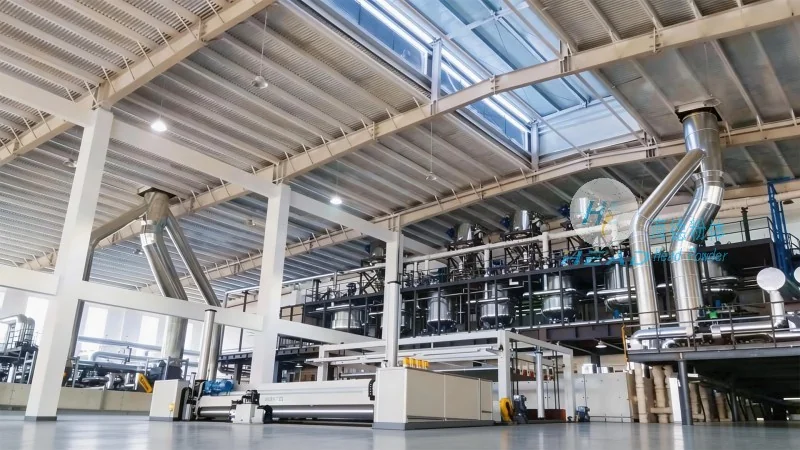
The glass fiber cellulose conveying system by HeadPowder is engineered for high efficiency and flexibility. It can handle varying material flow rates and can be easily integrated into existing production lines or used as a standalone solution. The system's modular design allows for customization to meet specific customer requirements, such as different conveying distances, material volumes, or processing needs. This adaptability makes it suitable for a wide range of applications, from small-scale laboratory operations to large-scale industrial production.
Low Maintenance and Cost-Effective Operation
Compared to traditional conveying methods like belt conveyors or screw conveyors, the air-pneumatic conveying system offers substantial cost savings in terms of maintenance and energy consumption. The absence of moving parts in contact with the material reduces wear and tear, leading to lower repair and replacement costs over the system's lifespan. Additionally, the system operates with lower energy requirements, as it relies on compressed air rather than heavy machinery, contributing to reduced operational expenses.
Enhanced Safety and Environmental Compliance
Safety is a top priority in the design of the glass fiber cellulose conveying system. The enclosed air-pneumatic design prevents dust emissions, reducing the risk of respiratory issues for operators and minimizing environmental pollution. This feature aligns with modern industrial standards and regulations, ensuring that the system is compliant with environmental and occupational health requirements. By eliminating the need for dust collection systems or additional filtration equipment, the system simplifies operation while maintaining a safe working environment.




