

[Bicarbonate of Soda Pneumatic Conveying Working Principle and Classification Application Introducti
Bicarbonate of soda, also known as sodium bicarbonate (NaHCO₃), is a widely used chemical in various industries due to its versatile properties. Pneumatic conveying is a critical method for transporting this material efficiently and safely. This article provides an overview of the working principles and classifications of bicarbonate of soda pneumatic conveying systems, highlighting the technology's importance in industrial applications. As a leading provider of specialized engineering solutions, Shandong HeadPowder Engineering Co., Ltd. (headpowder) has extensive experience in designing and implementing such systems for diverse industrial needs.
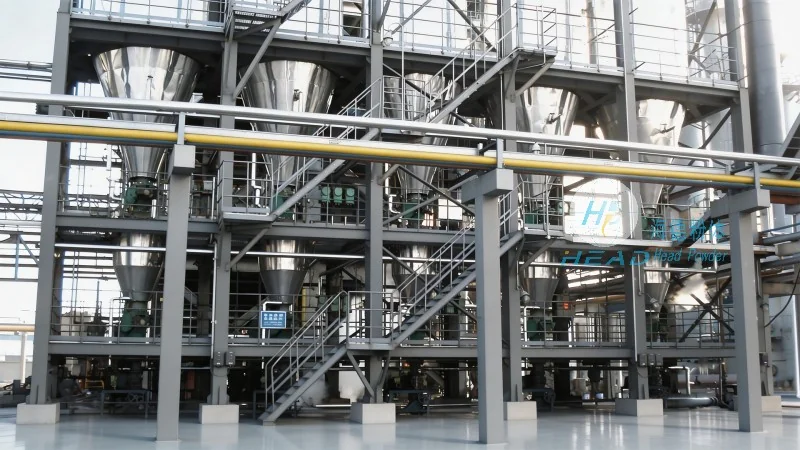
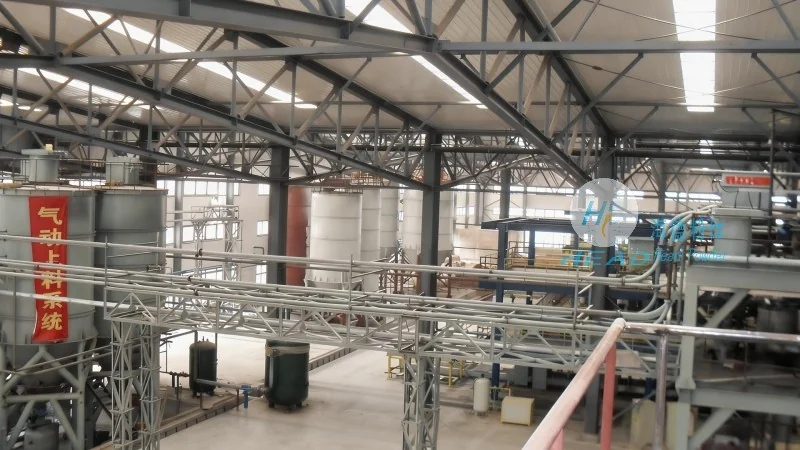
Working Principle of Pneumatic Conveying for Bicarbonate of Soda
The core of pneumatic conveying involves using air or other gases to transport solid materials like bicarbonate of soda through a pipeline. The process typically operates on the principle of creating a pressure differential between the inlet and outlet of the conveying line. In positive pressure systems, compressed air is introduced at the material inlet, while in negative pressure (or vacuum) systems, a vacuum is created at the outlet to draw the material along. For bicarbonate of soda, which is a fine powder, the choice of system depends on factors such as material characteristics, required conveying distance, and system efficiency. The air velocity and pressure are carefully controlled to ensure the material is transported without degradation or blockage. Positive pressure systems inject compressed air at the material inlet, creating a pressure higher than the ambient air. This pressure forces the material to move through the pipeline, with the air acting as a carrier. The air velocity is typically maintained at a level that keeps the particles suspended without causing excessive wear on the system components. Negative pressure systems create a vacuum at the outlet, drawing the material from the source. This method is particularly useful for applications where dust control is a priority, as the vacuum helps to contain particles within the system.
Classification of Bicarbonate of Soda Pneumatic Conveying Systems
Bicarbonate of soda pneumatic conveying systems are broadly classified into two main categories: positive pressure and negative pressure systems. Positive pressure systems, also known as pressure conveying, use compressed air to push the material through the pipeline. These systems are suitable for short to medium distances and can handle high material loads. Negative pressure systems, or vacuum conveying, use a vacuum to pull the material from the source to the destination. This method is ideal for long-distance transport and for applications where dust control is a priority. Additionally, there are hybrid systems that combine elements of both positive and negative pressure to optimize performance based on specific operational needs. Positive pressure systems are suitable for short to medium conveying distances, typically up to several hundred meters, and can handle high material flow rates. They are commonly used in industries where the material needs to be transported quickly and with minimal pressure loss. Negative pressure systems are ideal for longer distances, often exceeding 100 meters, and are preferred when the material is sensitive to air exposure or when dust containment is a priority. Hybrid systems offer flexibility for applications with varying requirements, such as transporting bicarbonate of soda over mixed distances with different flow rates.
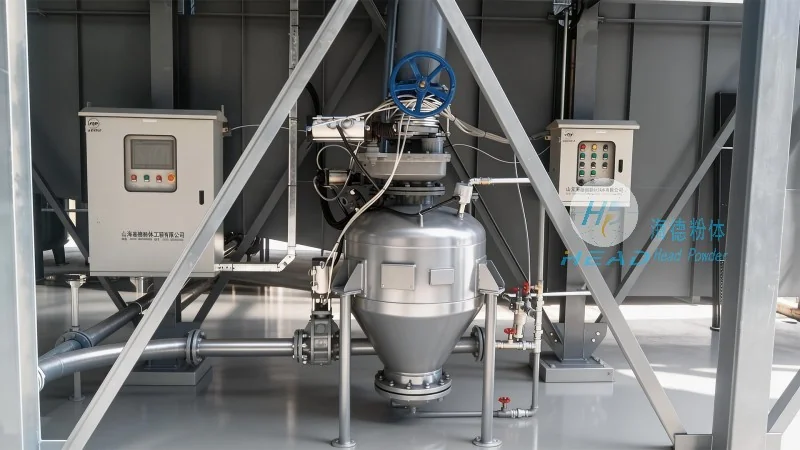
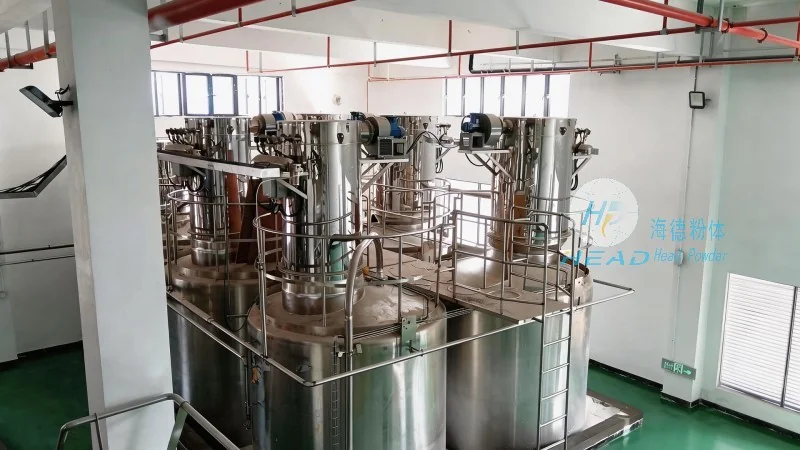
Application Scenarios and Practical Implementation
The application of bicarbonate of soda pneumatic conveying systems varies across industries. In the food and beverage sector, these systems are used for transporting bicarbonate of soda to production lines, ensuring consistent quality and hygiene. In the pharmaceutical industry, precise control of the conveying process is essential to maintain the material's purity and prevent contamination. The chemical industry also utilizes these systems for handling bicarbonate of soda in various chemical processes, where accurate dosing and transport are critical. Practical implementation involves selecting the appropriate system type based on the specific requirements of the application, including material flow rate, distance, and environmental considerations. Proper maintenance and monitoring of the system are also crucial to ensure long-term reliability and efficiency. In the food industry, these systems are used to transport bicarbonate of soda to baking and food processing lines, where it is used as a leavening agent or pH adjuster. The systems must meet strict hygiene standards, ensuring that the material remains free from contaminants and does not come into contact with other substances. In the pharmaceutical industry, precise control of the conveying process is essential to maintain the purity of the material, as bicarbonate of soda is often used in drug formulations. The systems are designed to minimize particle degradation and prevent cross-contamination. The chemical industry also utilizes these systems for handling bicarbonate of soda in chemical reactions, where accurate dosing and consistent flow are critical for process efficiency. Practical implementation involves selecting the appropriate system type based on factors such as material characteristics, conveying distance, and operational efficiency. Regular maintenance, including cleaning and checking for air leaks, is essential to ensure the system operates reliably and efficiently over time.