

[Principle and Classification Application of Wood Fiber Pneumatic Conveying]
Wood fiber pneumatic conveying is a critical technology in material handling, particularly for transporting wood fibers efficiently and safely. This article provides an overview of its working principles and various classification applications, with a focus on the expertise of Shandong HeadPowder Engineering Co., Ltd., a leading provider in the field.
Introduction to Wood Fiber Pneumatic Conveying
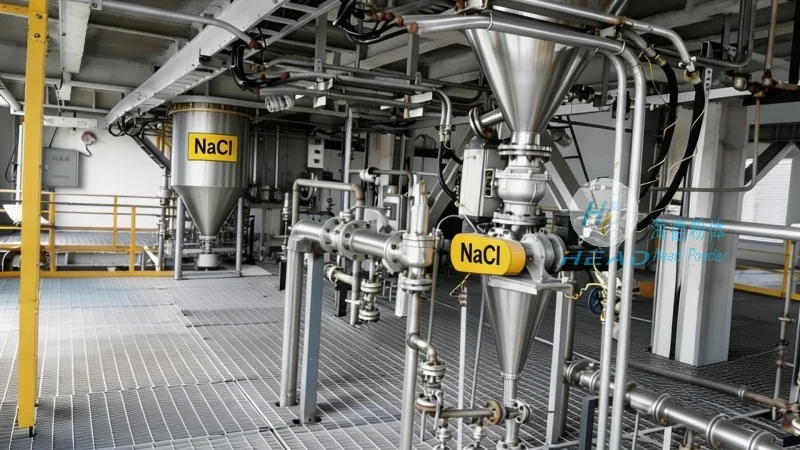
Wood fiber pneumatic conveying systems utilize air as the primary medium to transport wood fibers from one location to another. The core principle involves creating a flow of air that can carry the fibrous material through a pipeline network. This method is widely adopted due to its ability to handle delicate and abrasive materials like wood fibers without causing damage, which is crucial for maintaining the quality of the final products.
Working Principle of Pneumatic Conveying Systems
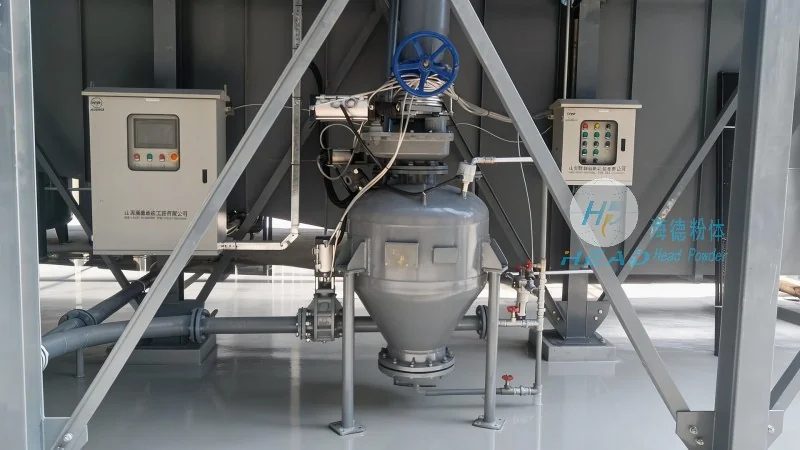
The fundamental working principle of wood fiber pneumatic conveying is based on the interaction between air and the material being transported. There are two main types of pneumatic conveying systems: pressure and vacuum. In pressure systems, compressed air is used to push the material through the pipeline, while vacuum systems use a vacuum to draw the material into the pipeline. For wood fibers, pressure systems are often preferred as they can handle higher material loads and are more suitable for long-distance transport. The system typically consists of a hopper, a blower or compressor, a pipeline network, and a receiver or discharge point. The hopper holds the wood fibers, and the blower generates the necessary air pressure to move the material. The pipeline transports the fibers, and the receiver collects them at the destination. The design of the system, including the size of the pipeline, the type of blower, and the hopper's capacity, is critical to ensure efficient and reliable operation.
Classification of Wood Fiber Pneumatic Conveying Applications
Wood fiber pneumatic conveying has diverse applications across multiple industries, each tailored to specific operational needs. The primary classifications include bulk material handling in the pulp and paper industry, wood processing facilities, and biomass energy production. In the pulp and paper industry, these systems are essential for transporting wood chips and fibers from storage to processing units, ensuring a continuous supply of raw materials. In wood processing plants, they are used to move sawdust, shavings, and other wood byproducts from production lines to storage or further processing areas. For biomass energy applications, pneumatic conveying systems are used to transport wood pellets or chips to biomass boilers for energy generation. Each application requires specific system configurations to handle the unique characteristics of the wood fibers, such as moisture content, particle size, and density.
Key Factors Influencing System Performance
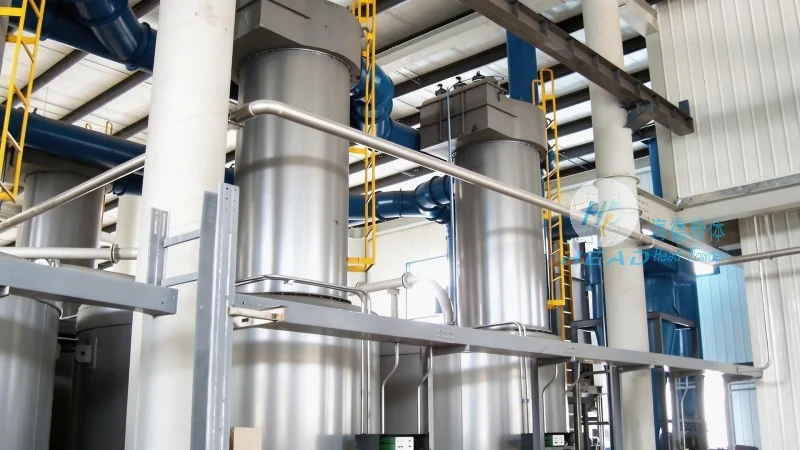
Several factors significantly impact the performance of wood fiber pneumatic conveying systems. The moisture content of the wood fibers is a critical factor, as high moisture levels can lead to blockages and reduced conveying efficiency. Proper moisture control, such as drying the fibers before conveying, is essential to maintain system performance. Particle size and distribution also play a role; larger particles may require higher air velocities to be conveyed effectively, while smaller particles can be more prone to settling and clogging. The pipeline design, including the diameter and length, affects the system's ability to handle the material. Additionally, the type of blower or compressor used determines the air pressure and flow rate, which are crucial for efficient transport. Regular maintenance and monitoring of the system components, such as filters and check valves, are necessary to prevent issues like clogging and ensure long-term reliability.
Benefits and Advantages of Wood Fiber Pneumatic Conveying
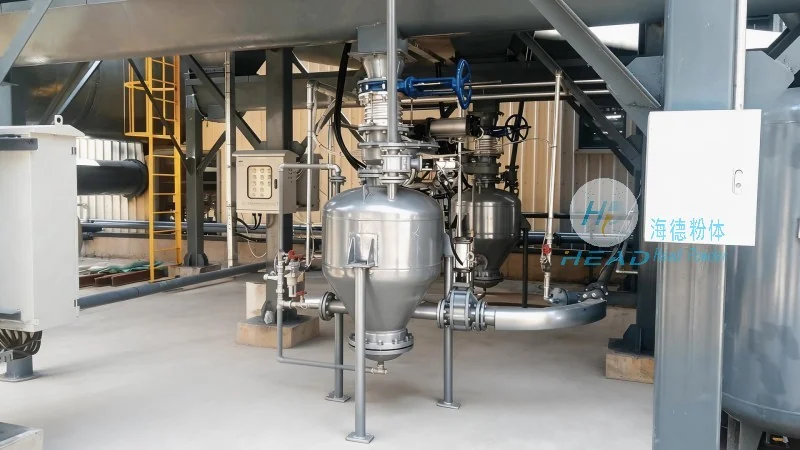
Wood fiber pneumatic conveying offers several advantages over traditional material handling methods. One of the main benefits is the ability to transport delicate wood fibers without damage, which is vital for maintaining the quality of products like paper and wood-based composites. The system is also highly flexible, allowing for changes in material flow direction and destination without major modifications. It is more hygienic compared to mechanical systems, as it reduces the risk of contamination and dust exposure. Additionally, pneumatic conveying systems can be integrated with other processing equipment, such as grinders and dryers, to create a seamless material handling process. The efficiency of these systems in terms of energy consumption and material throughput makes them a cost-effective solution for many industries.
Conclusion and Company Overview
Wood fiber pneumatic conveying is a sophisticated and efficient method for handling wood fibers, with applications spanning various industries. The technology's ability to transport delicate materials while maintaining quality and efficiency makes it indispensable in modern material handling. Shandong HeadPowder Engineering Co., Ltd. specializes in designing and manufacturing customized pneumatic conveying systems tailored to the specific needs of wood fiber processing facilities. With a focus on innovation and quality, the company provides reliable solutions that enhance operational efficiency and product quality. Based in Shandong, China, HeadPowder has established itself as a trusted partner in the wood processing and energy sectors, delivering systems that meet the highest standards of performance and durability.