

[Efficient and Clean Solution for Expanded Plastic Conveying: A Detailed Explanation of Pneumatic Co
For industries dealing with expanded plastics, the need for efficient and clean material handling solutions is paramount. Traditional methods often struggle with the lightweight and irregular nature of these materials, leading to challenges such as dust generation, material loss, and operational inefficiencies. In response to these challenges, pneumatic conveying technology has emerged as a leading solution, offering a clean, reliable, and high-performance method for transporting expanded plastics. This article delves into the principles, benefits, and practical applications of pneumatic conveying systems tailored for expanded plastic materials, highlighting how they enhance operational efficiency and maintain product integrity.
Pneumatic Conveying: An Overview
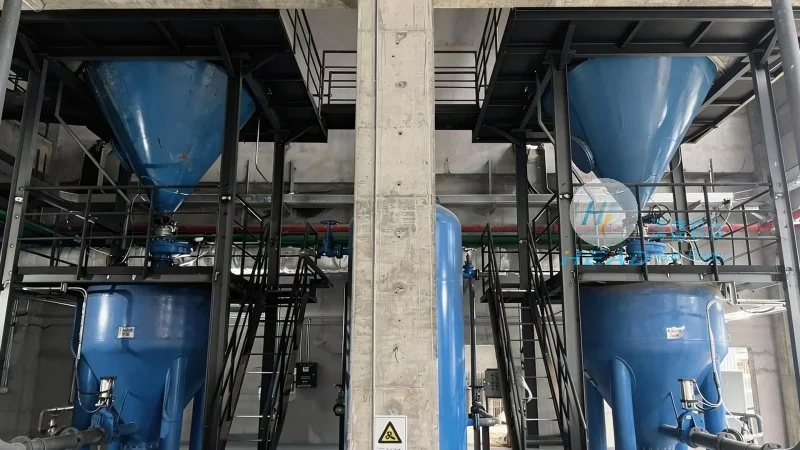
Pneumatic conveying, also known as air conveying, is a method of transporting bulk materials through a pipeline using a stream of air. Unlike mechanical systems that rely on belts, screws, or buckets, pneumatic systems utilize air pressure to move materials, making them particularly suitable for materials that are difficult to handle mechanically, such as expanded plastics. The core components of a pneumatic conveying system typically include a hopper for material storage, a feeder to control the flow rate, a conveying line, and a receiver to collect the material at the destination. The system operates by creating a pressure differential between the inlet and outlet of the conveying line, which propels the material through the pipeline. There are two main types of pneumatic conveying systems: pressure and vacuum. Pressure systems use compressed air to push material from the source to the destination, while vacuum systems use a vacuum to pull material from the source. For expanded plastics, both types can be effective, but the choice depends on the specific application and material characteristics.
Benefits of Pneumatic Conveying for Expanded Plastics
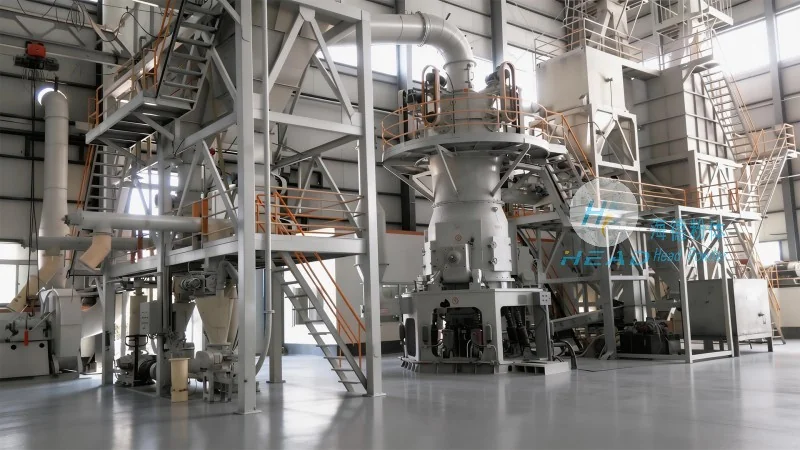
When it comes to handling expanded plastics, pneumatic conveying offers several distinct advantages over traditional methods. First and foremost, it provides a clean and dust-free environment. Unlike mechanical conveyors that can generate significant dust and debris, pneumatic systems enclose the material within a sealed pipeline, preventing contamination and ensuring that the material remains in its original state. This is crucial for expanded plastics, which are often used in applications where purity and consistency are critical, such as in the production of foamed packaging, insulation, or automotive parts. Second, pneumatic conveying enhances operational efficiency by reducing downtime and material loss. The smooth, continuous flow of material through the pipeline minimizes the risk of blockages and material spillage, leading to higher throughput and lower maintenance costs. Additionally, the system can be easily integrated with other production processes, allowing for seamless material transfer from one stage to another. Another key benefit is the ability to handle materials with varying particle sizes and shapes. Expanded plastics often have irregular shapes and lightweight characteristics, which can cause issues in mechanical systems. Pneumatic conveying, however, can accommodate these variations without compromising performance, ensuring consistent and reliable material transport.
Key Considerations for Implementing Pneumatic Conveying Systems
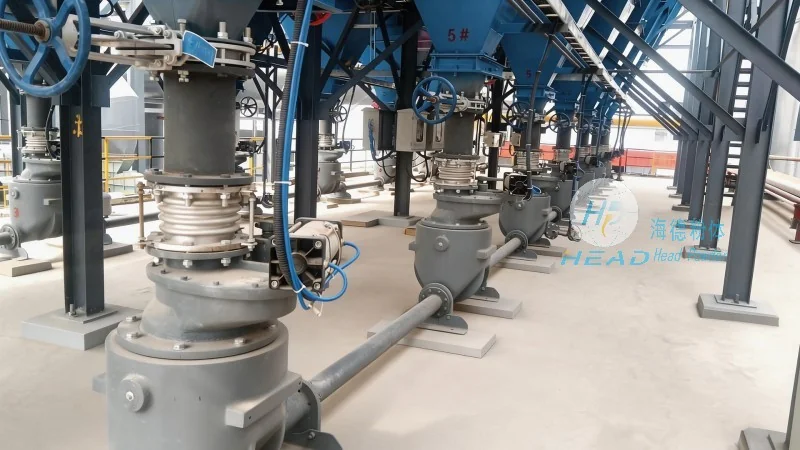
While pneumatic conveying offers numerous benefits, successful implementation requires careful consideration of several factors. The first consideration is the material characteristics of the expanded plastic. Different types of expanded plastics have varying densities, moisture content, and flow properties, which can affect the design and operation of the conveying system. For example, materials with high moisture content may require additional drying steps to prevent clogging or degradation. The second consideration is the system layout and distance. The length and complexity of the conveying line can impact the required air pressure and power consumption. Proper system design, including the use of appropriate pipe sizes and bends, is essential to maintain material flow and prevent pressure losses. Third, the choice of conveying method (pressure or vacuum) depends on the specific application. For short distances and low material loads, vacuum systems may be more suitable, while pressure systems are preferred for longer distances or higher material volumes. Additionally, the system must be equipped with appropriate controls and safety features to ensure safe and efficient operation. This includes features such as pressure relief valves, material flow monitors, and emergency shut-off mechanisms.
Case Study: HeadPowder's Pneumatic Conveying Solutions
Shandong HeadPowder Engineering Co., Ltd., a leading provider of material handling solutions, specializes in designing and manufacturing pneumatic conveying systems tailored for expanded plastics. With years of experience in the industry, HeadPowder has developed a range of solutions that address the unique challenges of handling these materials. For instance, their systems are equipped with advanced feeding mechanisms that ensure consistent material flow, even for lightweight and irregularly shaped expanded plastics. The company also offers customized solutions, allowing clients to adapt the system to their specific production requirements. One of their recent projects involved a client in the automotive industry who needed to transport expanded plastic foam for interior components. By implementing a pressure pneumatic conveying system, the client achieved a 30% increase in production efficiency and a significant reduction in material loss. The system also provided a clean and dust-free environment, ensuring that the final product met strict quality standards. This case study highlights the effectiveness of pneumatic conveying systems in improving operational performance and maintaining product quality.
Conclusion and Future Outlook
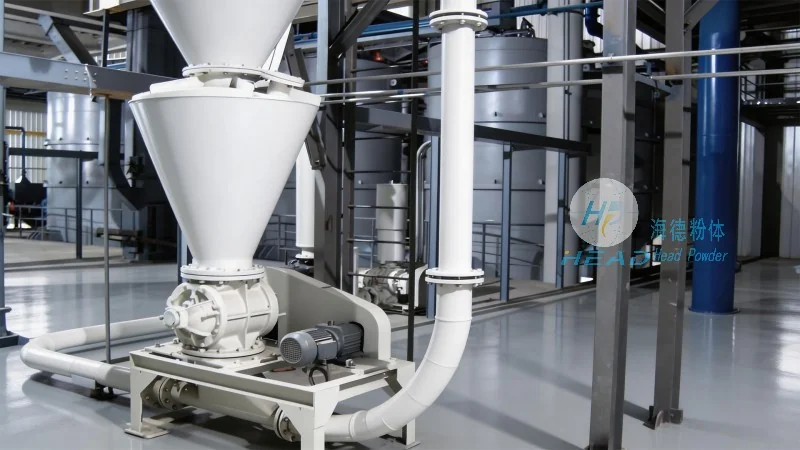
In conclusion, pneumatic conveying technology represents a clean and efficient solution for handling expanded plastics. By leveraging the principles of air pressure and flow, these systems offer superior performance compared to traditional mechanical methods, addressing the unique challenges associated with expanded plastic materials. The benefits, including enhanced cleanliness, improved efficiency, and flexibility, make pneumatic conveying an attractive option for industries that require reliable and high-quality material handling solutions. As technology continues to advance, we can expect further innovations in pneumatic conveying systems, such as the integration of automation and smart controls, which will further enhance their capabilities. For companies dealing with expanded plastics, investing in a well-designed pneumatic conveying system is a strategic decision that can lead to long-term operational advantages and improved product quality. With the expertise and experience of companies like Shandong HeadPowder Engineering Co., Ltd., the adoption of pneumatic conveying technology is becoming increasingly accessible and effective, ensuring that industries can meet the demands of modern production with efficiency and precision.