

Technical Analysis of Food Pneumatic Conveying Systems: Comparison of Positive Pressure and Negative
Food processing industries rely on efficient and hygienic material handling solutions to maintain product quality and operational efficiency. Among the various technologies available, pneumatic conveying systems stand out as a versatile and effective method for transporting bulk materials, including powders and granules, within food production facilities. This article provides a technical analysis of food pneumatic conveying systems, focusing on the comparison between positive pressure and negative pressure conveying modes, to help industry professionals make informed decisions when selecting the most suitable system for their applications.
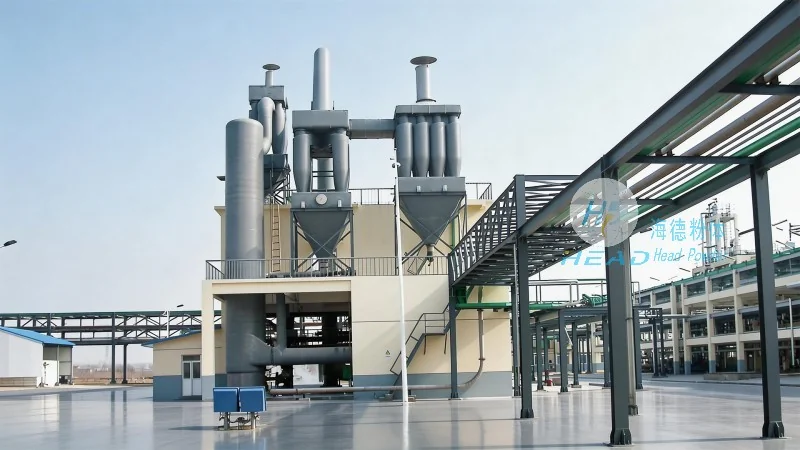
Understanding Pneumatic Conveying Systems in Food Processing
Pneumatic conveying systems use air or gas to transport bulk materials through a pipeline network. These systems are widely used in the food industry due to their ability to handle sensitive products without direct contact with mechanical components, reducing the risk of contamination and product degradation. The core components of a pneumatic conveying system typically include a material feed hopper, a conveyor line (pipeline), a blower or compressor, and a discharge outlet. The choice of conveying mode—positive pressure or negative pressure—significantly impacts system performance, energy consumption, and suitability for specific food products.
Positive Pressure Conveying Mode: Advantages and Applications
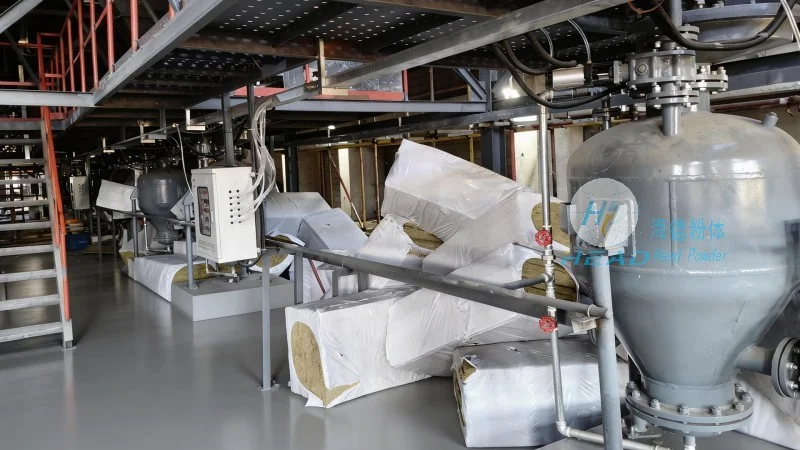
Positive pressure conveying systems operate by blowing air or gas into the pipeline, creating a pressure higher than the ambient air pressure. This mode is commonly used for short to medium-distance conveying of dry, non-hygroscopic materials. The primary advantages of positive pressure systems include high conveying capacity, low energy consumption per unit of material, and the ability to handle abrasive or sticky materials. The system's design allows for easy integration with existing plant infrastructure, and it can be configured to handle multiple material streams simultaneously. For example, in a bakery or snack food facility, positive pressure systems are often used to transport flour, sugar, or other dry ingredients from storage silos to production lines. The positive pressure mode ensures that the material is continuously pushed through the pipeline, minimizing the risk of clogging and ensuring consistent flow rates.
Negative Pressure Conveying Mode: Characteristics and Use Cases
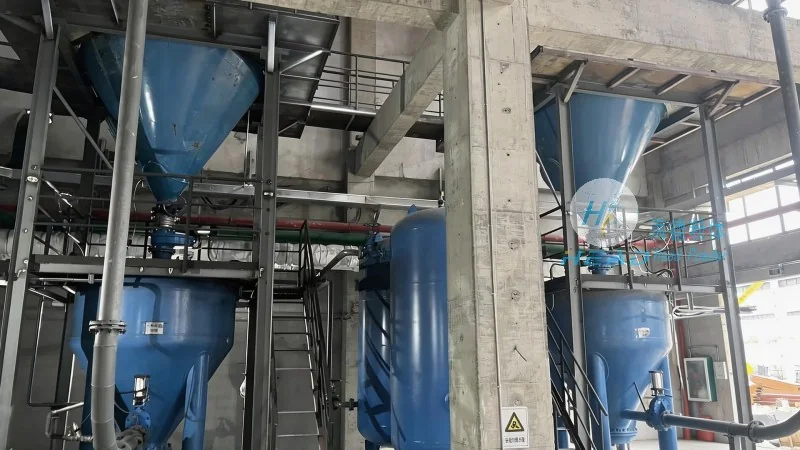
Negative pressure conveying systems, also known as vacuum or suction systems, operate by creating a vacuum in the pipeline, drawing material from the source into the system. This mode is typically used for longer conveying distances or when the material needs to be transported from multiple points of origin to a central collection point. The negative pressure system is particularly suitable for handling fine powders or materials that are prone to dust generation, as the vacuum helps to contain and control airborne particles. However, negative pressure systems generally have lower conveying capacities compared to positive pressure systems and may require more energy to maintain the vacuum. In the food industry, negative pressure conveying is often employed in applications such as transporting coffee beans, cocoa powder, or other fine powders from raw material storage to processing areas. The vacuum system ensures that the material is drawn through the pipeline without direct contact with the pipeline walls, reducing the risk of product contamination and maintaining product integrity.
Comparison of Positive Pressure vs. Negative Pressure Conveying Modes
When selecting a pneumatic conveying system for food applications, it is essential to evaluate the performance characteristics of both positive and negative pressure modes to determine the most appropriate solution. The key factors to consider include conveying distance, material properties (e.g., particle size, moisture content, hygroscopicity), system capacity requirements, and energy efficiency. Positive pressure systems are generally more suitable for short to medium distances and high-volume material transport, while negative pressure systems are better suited for longer distances or when handling fine powders that require dust control. From an energy perspective, positive pressure systems typically consume less energy per ton of material conveyed, making them more cost-effective for high-volume applications. However, negative pressure systems may be more economical for low-volume or intermittent conveying operations due to their lower initial investment and simpler design. Additionally, the hygienic design of both systems is critical in food processing environments. Positive pressure systems often feature smooth, easy-to-clean pipelines and components, while negative pressure systems may require additional filtration and dust collection equipment to prevent airborne contamination. The choice of conveying mode should also consider the potential for product degradation, as high air velocities in positive pressure systems can sometimes cause heat generation or particle attrition, which may affect the quality of sensitive food products.
Key Considerations for Food Pneumatic Conveying System Design
Designing an effective food pneumatic conveying system involves careful consideration of several factors to ensure optimal performance, safety, and compliance with industry regulations. First, the material properties must be thoroughly analyzed to determine the appropriate conveying velocity and pipeline diameter. For example, fine powders require lower conveying velocities to prevent clogging and maintain consistent flow, while larger particles can be conveyed at higher velocities. The pipeline design, including the number of bends, elbows, and fittings, also impacts system efficiency and pressure drop. Properly sized and positioned components, such as in-line filters and cyclone separators, are essential to prevent material buildup and maintain system performance over time. Additionally, the system must be equipped with safety features, such as pressure relief valves and overcurrent protection, to prevent accidents and ensure operator safety. Hygienic design is paramount in food processing, so all components, including the blower, hopper, and discharge outlet, must be constructed from materials that are easy to clean and sanitize, such as stainless steel. The system should also be designed to minimize product exposure to air, as excessive air contact can lead to moisture absorption or oxidation, which may affect product shelf life and quality.