

Technical Analysis of Cocoa Pneumatic Conveying Systems: Comparison of Positive Pressure vs. Negativ
HeadPowder, a leading provider of industrial conveying solutions, specializes in advanced pneumatic systems tailored for the cocoa processing industry. This technical analysis delves into the core technologies of cocoa pneumatic conveying, focusing on the comparative evaluation of positive pressure and negative pressure conveying modes. By examining the operational principles, advantages, and practical applications of each system, we aim to provide a comprehensive understanding for industry professionals seeking to optimize their material handling processes.
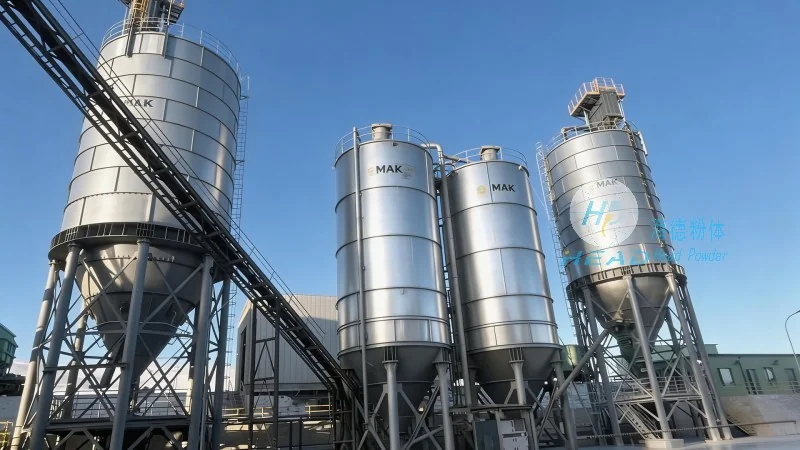
Introduction to Cocoa Pneumatic Conveying Systems
Cocoa pneumatic conveying systems are essential for efficiently transporting cocoa beans, nibs, and other raw materials within processing facilities. These systems utilize air as the primary medium to move bulk materials, offering a flexible and hygienic solution compared to traditional mechanical conveying methods. The choice between positive pressure and negative pressure systems depends on various factors, including material characteristics, facility layout, and operational requirements. Understanding the technical nuances of each mode is crucial for selecting the most suitable system for specific applications.
Positive Pressure Conveying Mode: Principles and Advantages
Positive pressure conveying systems operate by blowing air into the conveying line, creating a pressure higher than the ambient environment. This method is particularly effective for handling abrasive or sticky materials like cocoa, as it minimizes material degradation and ensures consistent flow. The system typically includes a blower, a hopper, and a series of pipes that transport the material from the source to the destination. Key advantages of positive pressure systems include high conveying capacity, reduced material wear, and the ability to handle long distances and multiple transfer points. Additionally, these systems are generally more energy-efficient for certain material types and can be integrated with dust collection systems to maintain a clean working environment.
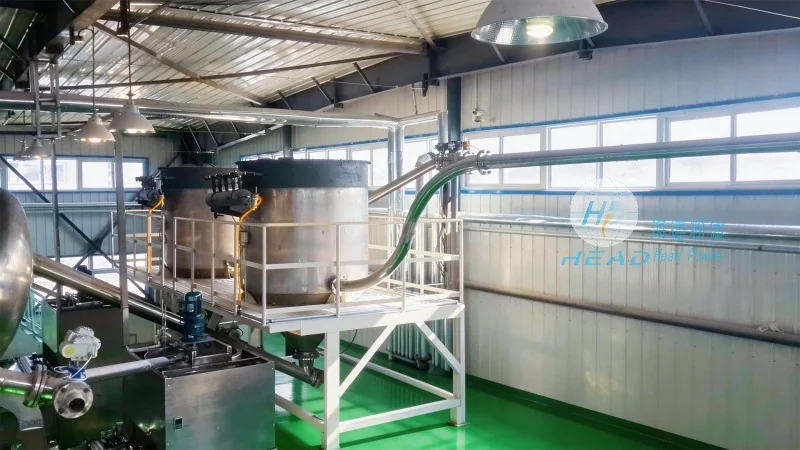
Negative Pressure Conveying Mode: Principles and Advantages
Negative pressure conveying systems, also known as vacuum systems, operate by creating a vacuum inside the conveying line, drawing material into the system. This approach is ideal for applications requiring gentle handling of delicate materials or when the material source is located at a higher elevation. The system consists of a vacuum pump, a hopper, and a suction pipe that pulls the material from the source. Advantages of negative pressure systems include lower noise levels, reduced air consumption, and the ability to handle fine powders without excessive particle breakage. However, these systems may have lower conveying capacities compared to positive pressure systems and can be more susceptible to clogging if not properly maintained.
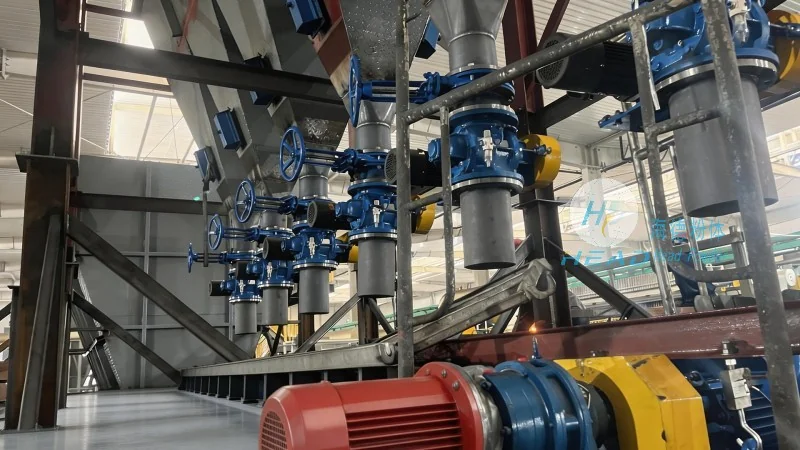
Comparative Analysis: Key Considerations for Selection
When deciding between positive and negative pressure conveying modes for cocoa processing, several factors must be evaluated. Material properties, such as moisture content, particle size, and abrasiveness, play a critical role in determining the most suitable system. For instance, positive pressure systems are often preferred for handling coarse cocoa beans, while negative pressure may be more appropriate for fine cocoa nibs or powder. Facility layout and space constraints also influence the choice, as positive pressure systems may require additional space for the blower and exhaust, whereas negative pressure systems can be more compact. Operational costs, including energy consumption and maintenance requirements, are another key consideration. Positive pressure systems typically have higher energy demands due to the need to generate higher air pressure, whereas negative pressure systems may have lower energy costs but higher maintenance for vacuum pumps. Finally, the desired conveying capacity and distance must be matched with the system's capabilities to ensure efficient material transport without bottlenecks or inefficiencies.
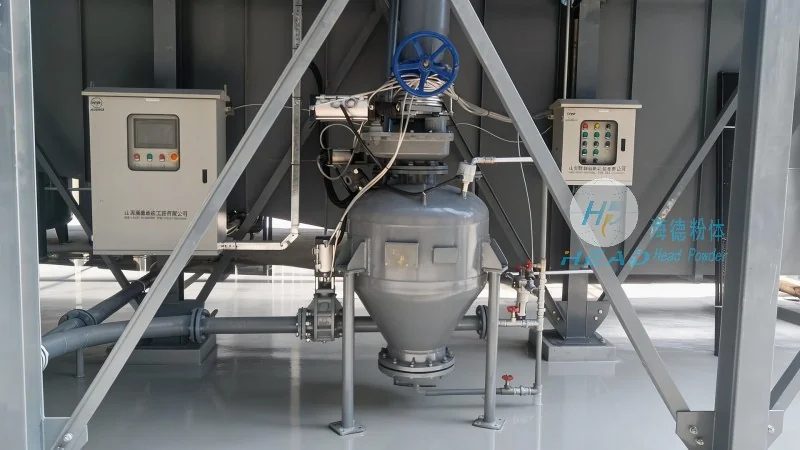
HeadPowder's Expertise in Cocoa Pneumatic Conveying
Shandong HeadPowder Engineering Co., Ltd., based in China, has established itself as a trusted partner in the design and implementation of cocoa pneumatic conveying systems. With years of experience in the industry, HeadPowder offers customized solutions that address the unique challenges of cocoa processing. The company's technical team conducts thorough assessments of client requirements, including material characteristics, processing flow, and operational goals, to recommend the most suitable conveying mode. HeadPowder's systems are engineered for durability, reliability, and ease of maintenance, ensuring long-term performance and minimal downtime. By leveraging advanced technology and industry best practices, HeadPowder helps clients optimize their material handling processes, enhance productivity, and maintain product quality throughout the cocoa processing chain.
Conclusion: Choosing the Right Conveying Mode for Cocoa Processing
In conclusion, the selection of a pneumatic conveying system for cocoa processing involves a careful evaluation of operational requirements, material properties, and system capabilities. Positive pressure and negative pressure modes each offer distinct advantages and are suited to different applications. Positive pressure systems excel in high-capacity, long-distance transport of coarse materials, while negative pressure systems provide gentle handling and lower noise levels for fine powders. By understanding the technical differences and practical implications of each mode, industry professionals can make informed decisions that optimize their processing operations. HeadPowder, with its expertise and commitment to quality, continues to provide innovative solutions that meet the evolving needs of the cocoa industry, ensuring efficient and reliable material handling for clients worldwide.