

Technical Analysis of Metal Iron Powder Pneumatic Conveying Systems: Comparison of Positive Pressure
When it comes to the efficient and reliable transportation of metal iron powder, pneumatic conveying systems offer a robust solution. These systems are essential in industries where the handling of fine powders requires precision, control, and minimal product degradation. Among the various pneumatic conveying technologies available, the choice between positive pressure and negative pressure systems is a critical decision that impacts system performance, maintenance, and overall operational costs. This article provides a technical analysis of metal iron powder pneumatic conveying systems, focusing on the comparison between positive pressure and negative pressure conveying modes, and highlights the expertise of Shandong HeadPowder Engineering Co., Ltd. as a leading provider in this field.
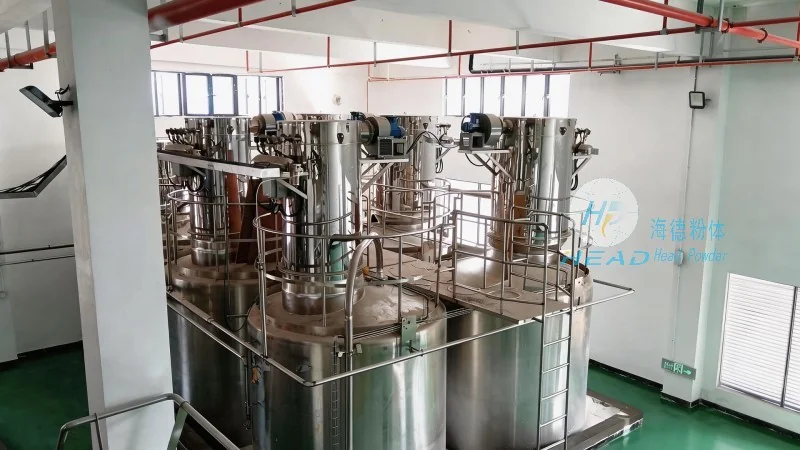
About HeadPowder: Pioneering Pneumatic Conveying Solutions
Shandong HeadPowder Engineering Co., Ltd., commonly known as HeadPowder, is a reputable company based in Shandong, China. With a strong commitment to engineering excellence and customer satisfaction, HeadPowder specializes in the design, manufacturing, and installation of advanced pneumatic conveying systems. The company's expertise spans across various industries, including metal powder processing, where the efficient handling of iron powder is crucial. HeadPowder's team of experienced engineers and technicians leverages cutting-edge technology to develop customized solutions that meet the specific requirements of clients, ensuring optimal performance and durability.
Understanding Pneumatic Conveying Systems for Metal Iron Powder
Pneumatic conveying systems utilize air or gas to transport bulk materials like metal iron powder from one location to another. The core principle involves creating a flow of air that carries the powder particles through a pipeline. The choice of conveying mode—positive pressure or negative pressure—determines how the system operates and the characteristics of the material being transported. Both modes have distinct advantages and are suitable for different applications, making it essential to understand their technical differences and operational implications.
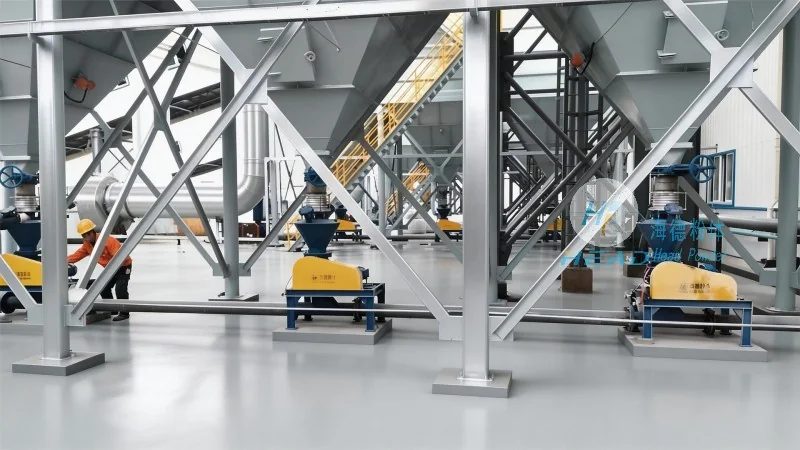
Positive Pressure Conveying Mode: Advantages and Technical Aspects
Positive pressure conveying systems operate by blowing air into the conveying line, creating a pressure higher than the ambient air pressure. This method propels the iron powder forward through the pipeline. One of the key advantages of positive pressure systems is their ability to handle a wide range of materials, including abrasive or corrosive powders, without causing excessive wear on the system components. The high-pressure air also ensures that the powder is transported at a consistent velocity, reducing the risk of material segregation or clogging. Additionally, positive pressure systems are generally more suitable for long-distance or high-capacity applications, as they can maintain a stable flow over extended distances. However, they require more robust equipment, such as high-pressure blowers and sealed pipelines, which can increase initial investment and maintenance costs.
Negative Pressure Conveying Mode: Advantages and Technical Aspects
Negative pressure conveying systems, also known as suction systems, operate by creating a vacuum in the conveying line, drawing the iron powder into the system. This method is particularly effective for applications where the material needs to be collected from multiple points or where the source is at a higher elevation than the destination. One of the main advantages of negative pressure systems is their ability to handle fine powders without causing excessive dust emissions, as the system draws the material into the pipeline rather than blowing it out. This makes them ideal for applications where dust control is a priority. Negative pressure systems are also generally more cost-effective for short-distance or low-capacity applications, as they require less powerful equipment compared to positive pressure systems. However, they are more susceptible to clogging and material degradation due to the lower air velocity and the potential for moisture accumulation in the pipeline.
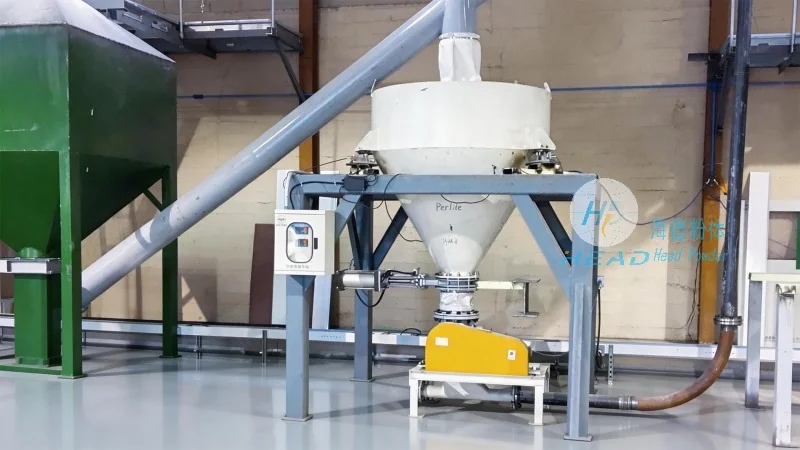
Key Technical Considerations in Metal Iron Powder Pneumatic Conveying
When selecting a pneumatic conveying system for metal iron powder, several technical factors must be considered to ensure optimal performance. These include the particle size and density of the iron powder, the required conveying distance and capacity, and the environmental conditions of the operation. The choice between positive and negative pressure systems depends on these factors, as well as the specific operational requirements of the client. For instance, if the iron powder is abrasive and needs to be transported over long distances, a positive pressure system may be more suitable due to its higher pressure capability and resistance to wear. Conversely, if the application involves collecting fine powder from multiple sources and requires low dust emissions, a negative pressure system may be preferred.
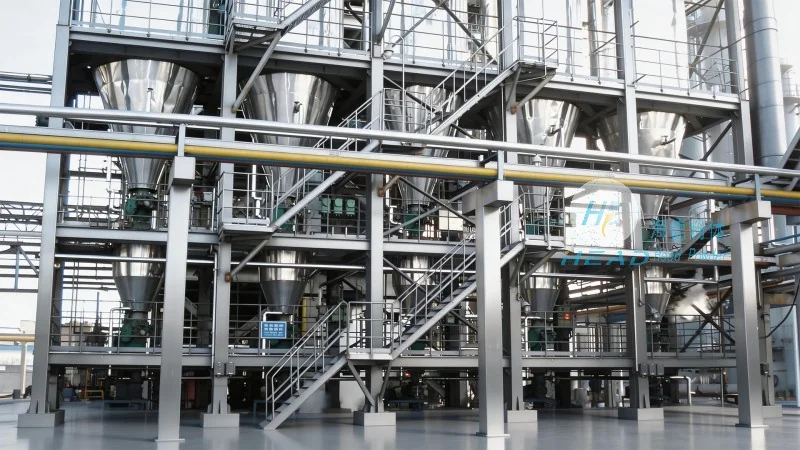
HeadPowder's Expertise in Customizing Pneumatic Conveying Solutions
Shandong HeadPowder Engineering Co., Ltd. leverages its technical expertise to provide customized pneumatic conveying solutions tailored to the specific needs of metal iron powder applications. The company's engineers work closely with clients to assess their operational requirements, material characteristics, and budget constraints, and then design a system that maximizes efficiency and reliability. HeadPowder's solutions may incorporate advanced features such as pulse jet cleaning systems, which help maintain pipeline cleanliness and prevent clogging, or variable frequency drives, which allow for adjustable air flow and pressure to optimize performance. The company also offers comprehensive installation and maintenance services, ensuring that the systems operate at peak performance throughout their lifecycle.
Conclusion: Choosing the Right Pneumatic Conveying Mode for Metal Iron Powder
In conclusion, the choice between positive pressure and negative pressure pneumatic conveying systems for metal iron powder depends on a variety of technical and operational factors. Positive pressure systems offer higher pressure capabilities and are suitable for long-distance or high-capacity applications, while negative pressure systems are more effective for short-distance or low-capacity applications with a focus on dust control. By understanding the technical aspects of each mode and leveraging the expertise of companies like Shandong HeadPowder Engineering Co., Ltd., industries can select the most appropriate pneumatic conveying system to ensure efficient and reliable handling of metal iron powder. HeadPowder's commitment to engineering excellence and customer satisfaction makes them a trusted partner for businesses seeking advanced pneumatic conveying solutions.