When it comes to transporting potassium hydroxide (KOH), a highly caustic and reactive chemical, the choice of pneumatic conveying system is critical for safety, efficiency, and operational reliability. Pneumatic conveying systems offer a non-contact method to move bulk materials like KOH, eliminating the need for mechanical components that could be damaged by the chemical's corrosive nature. This article provides a technical analysis of two primary pneumatic conveying modes—positive pressure and negative pressure systems—exploring their applications, advantages, and limitations in the context of KOH handling.
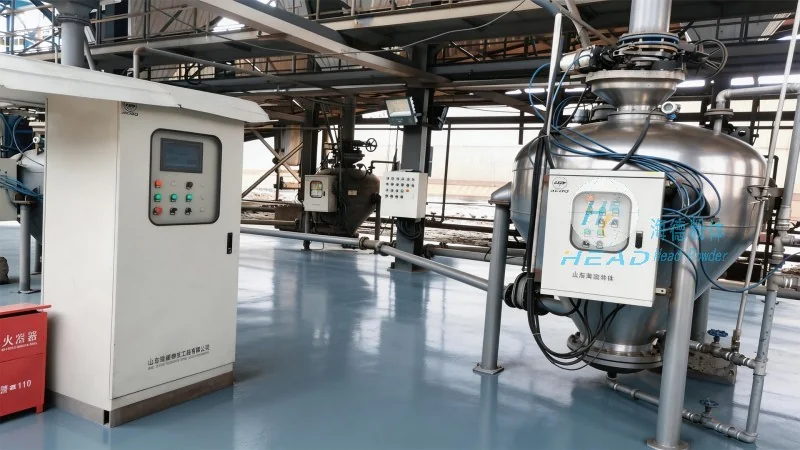
Company Overview: Shandong HeadPowder Engineering Co., Ltd.
HeadPowder, a leading engineering firm based in Shandong, China, specializes in the design, manufacturing, and installation of advanced material handling systems. With years of experience in handling aggressive chemicals, HeadPowder has developed expertise in creating customized pneumatic conveying solutions tailored to the unique challenges of transporting potassium hydroxide. The company's commitment to safety, precision, and durability ensures that their systems meet the highest industry standards for chemical processing applications.
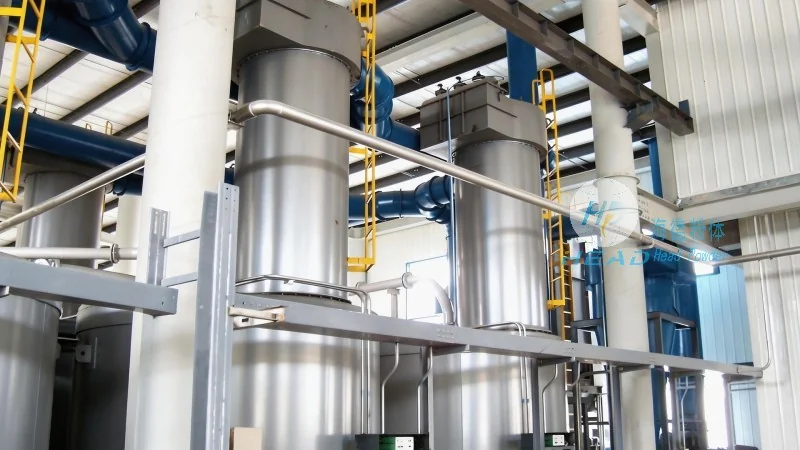
Positive Pressure Pneumatic Conveying System
Positive pressure systems are characterized by the use of a positive pressure air stream to push material through the conveying line. In a KOH handling context, this involves a blower or compressor that generates air pressure higher than the ambient atmosphere, forcing the material to move from the source to the destination. The primary advantage of positive pressure systems is their ability to handle long distances and multiple transfer points without significant pressure loss. They are particularly effective for transporting KOH from storage silos to processing equipment, as they can maintain consistent flow rates even over extended runs. However, these systems require robust seals and explosion-proof components due to the high pressure and potential for dust accumulation, which is a critical consideration when dealing with a reactive chemical like KOH.
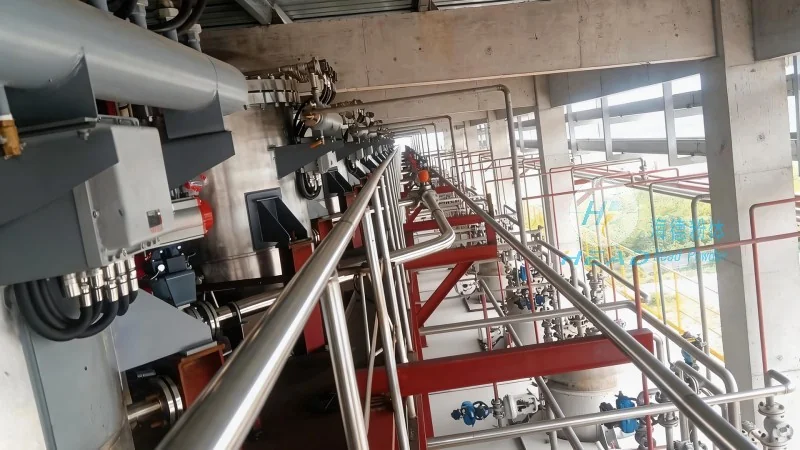
Negative Pressure Pneumatic Conveying System
Negative pressure systems, also known as vacuum conveying systems, operate by creating a vacuum in the conveying line to draw material from the source. A vacuum pump generates a pressure lower than the ambient atmosphere, pulling the material through the line. This mode is often preferred for short to medium distance transfers, as the vacuum can only effectively move material over relatively short distances before pressure differentials diminish. Negative pressure systems are advantageous for their lower energy consumption and the ability to handle fine powders without generating excessive dust. However, they are less suitable for long-distance KOH transport due to the limitations of vacuum pressure and the risk of material settling in the line if the vacuum is insufficient. Additionally, the system requires careful maintenance to prevent leaks, which could compromise the vacuum and lead to material loss or safety hazards.
Comparison of Positive Pressure vs. Negative Pressure Systems for KOH Conveying
When selecting between positive and negative pressure systems for potassium hydroxide, several factors must be considered. The most significant is the distance between the source and destination. Positive pressure systems excel at long-distance transfers, making them ideal for industrial plants where KOH is stored in silos and needs to be delivered to multiple processing units. Negative pressure systems, on the other hand, are better suited for shorter distances, such as moving KOH from a hopper to a mixer or from a loading dock to a storage silo. Another key consideration is the material's properties. KOH is a fine powder that can be prone to bridging or caking in silos, which can affect flow rates. Positive pressure systems can handle these issues more effectively by maintaining consistent pressure and flow, while negative pressure systems may require additional equipment like vibrators or air knives to prevent material buildup. Safety is also a critical factor. Positive pressure systems are generally considered safer for handling reactive chemicals like KOH because they prevent dust from escaping into the environment, reducing the risk of inhalation or explosion. Negative pressure systems, while effective at containing dust, require strict filtration to prevent the release of airborne particles, which can be a challenge in industrial settings.
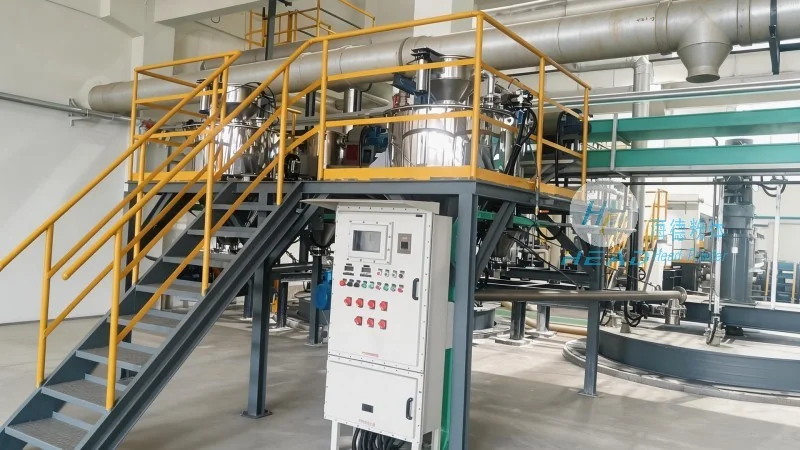
Key Technical Considerations for KOH Pneumatic Conveying
Implementing a successful KOH pneumatic conveying system involves several technical considerations beyond the choice of pressure mode. Material properties play a crucial role. KOH is highly hygroscopic, meaning it absorbs moisture from the air, which can lead to clumping and reduced flow rates. To mitigate this, systems often include drying or conditioning steps to maintain the material's consistency. Additionally, the system must be designed to handle the chemical's corrosive nature. Components such as pipes, valves, and blower housings must be made from materials like stainless steel or specialized alloys that can resist KOH's attack. This not only ensures the longevity of the equipment but also prevents contamination of the product. Another important consideration is the system's capacity and flow rate. The design must account for the required throughput, ensuring that the conveying line can handle the volume of KOH without causing pressure drops or material blockages. This involves calculating the air velocity, pipe diameter, and the number of transfer points to optimize performance. Finally, safety protocols are paramount. KOH is a hazardous chemical, and the system must incorporate features like explosion-proof motors, dust collection systems, and emergency shut-off valves to prevent accidents. Regular maintenance and inspections are also essential to ensure the system operates within safe parameters and meets regulatory standards.




