When considering pneumatic conveying systems for rice starch processing, a critical decision involves choosing between positive pressure and negative pressure methods. This choice directly impacts the efficiency, product quality, and operational costs of material handling. Understanding the distinctions between these two approaches is essential for selecting the most suitable system for specific applications.
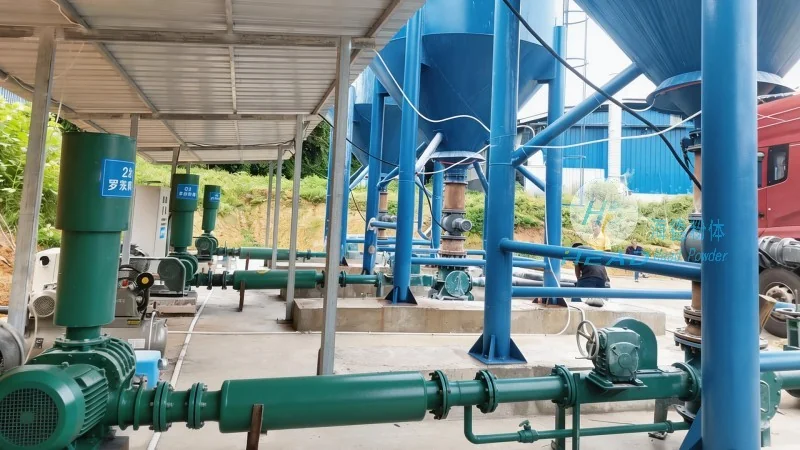
Key Differences Between Positive and Negative Pressure Pneumatic Conveying
Positive pressure pneumatic conveying systems operate by blowing air into the conveying line, pushing the material forward. This method is effective for long-distance transport, as it can maintain consistent pressure over extended runs and handle larger particle sizes. The system typically uses a blower or compressor to generate the necessary pressure, ensuring that the material is propelled through the pipeline. In contrast, negative pressure systems draw material into the line using a vacuum, pulling it from the source. This approach is often employed for shorter distances or when the material is sensitive to pressure changes, as it minimizes the risk of product degradation and reduces dust contamination. The vacuum is created by a fan or ejector, which creates a low-pressure environment that pulls the material into the conveying line.
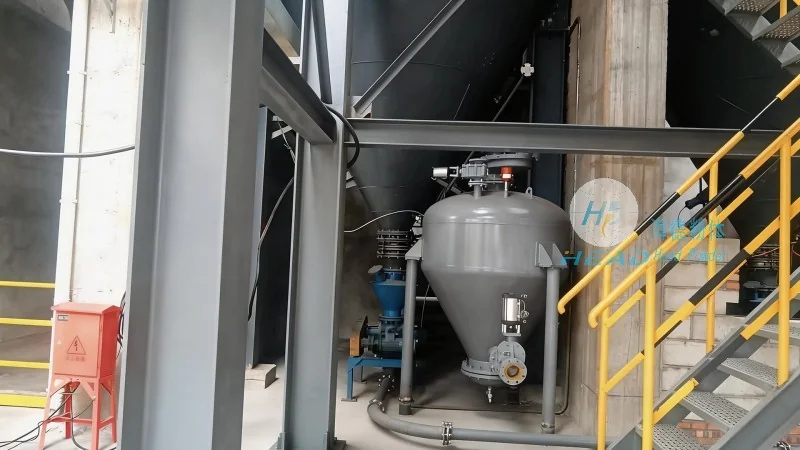
Factors Influencing the Choice of Pressure Type
Several key factors determine whether a positive or negative pressure system is more appropriate for rice starch handling. The primary factor is the conveying distance. For applications where the material must be transported over 100 meters or more, a positive pressure system is generally preferred due to its ability to maintain pressure and ensure reliable flow. Conversely, for shorter distances, such as within a processing plant, a negative pressure system can be more cost-effective and easier to install. Another critical consideration is the material's properties. Rice starch is a fine powder that can be prone to caking or agglomeration. Negative pressure systems are often favored in such cases because they create a lower pressure environment that reduces the risk of material buildup and improves flow consistency. Additionally, the system's capacity requirements play a significant role. Positive pressure systems are designed to handle higher material volumes, making them ideal for large-scale production lines, while negative pressure systems are better suited for smaller batches or when precise control over material flow is necessary.
Customized Solutions from HeadPowder
HeadPowder Engineering Co., Ltd. specializes in providing tailored pneumatic conveying solutions for rice starch processing. The company's team of experts conducts comprehensive assessments of each client's production processes, material characteristics, and operational requirements to recommend the most appropriate pressure type. For example, a positive pressure system might be recommended for a large rice starch plant with a long conveying distance from the grinding unit to the packaging area, ensuring efficient material transport and minimizing downtime. In contrast, a negative pressure system could be implemented for a smaller facility handling sensitive starch products, where maintaining product quality and preventing contamination is paramount. HeadPowder's engineers also consider energy efficiency and maintenance costs when designing the system, ensuring that the chosen pressure type not only meets performance needs but also aligns with the client's budget and operational goals.
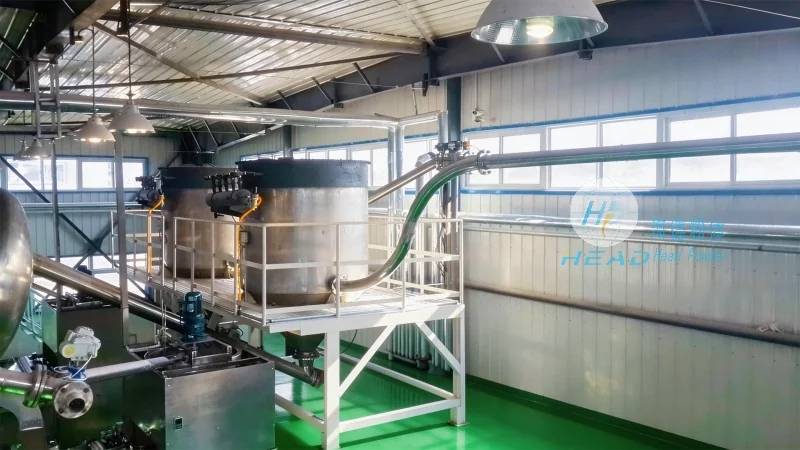
Conclusion: Making the Right Choice for Efficient Rice Starch Handling
Choosing between positive and negative pressure pneumatic conveying systems for rice starch processing requires a careful evaluation of operational factors, material properties, and system requirements. Positive pressure systems excel in long-distance, high-capacity applications, while negative pressure systems offer advantages in short-distance, sensitive material handling. By understanding these differences and considering the specific needs of the rice starch processing operation, businesses can select the most effective system to enhance productivity, maintain product quality, and reduce operational costs. HeadPowder Engineering Co., Ltd., with its expertise and customized solutions, supports clients in making informed decisions to optimize their pneumatic conveying systems for rice starch, ensuring reliable and efficient material transport throughout the production process.




