When it comes to handling wheat bran through pneumatic conveying systems, the choice between positive pressure and negative pressure methods is a critical decision that impacts efficiency, cost, and operational safety. As a leading provider in the field, Shandong HeadPowder Engineering Co., Ltd. from China offers expert insights into these two approaches, helping clients select the most suitable solution for their specific needs.
Understanding Pneumatic Conveying Basics
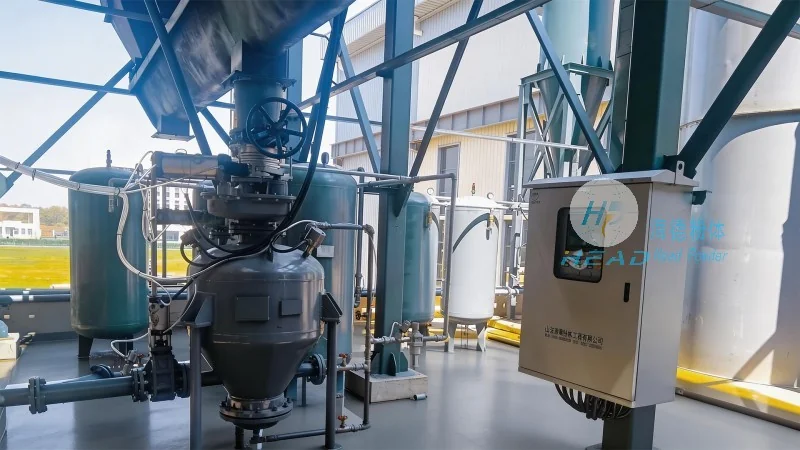
Pneumatic conveying is a technology used to transport bulk materials like wheat bran through a pipeline using air or gas. The system relies on the movement of air to carry the material from the source to the destination. The primary distinction lies in how the system generates the necessary pressure to move the material.
Positive Pressure Pneumatic Conveying
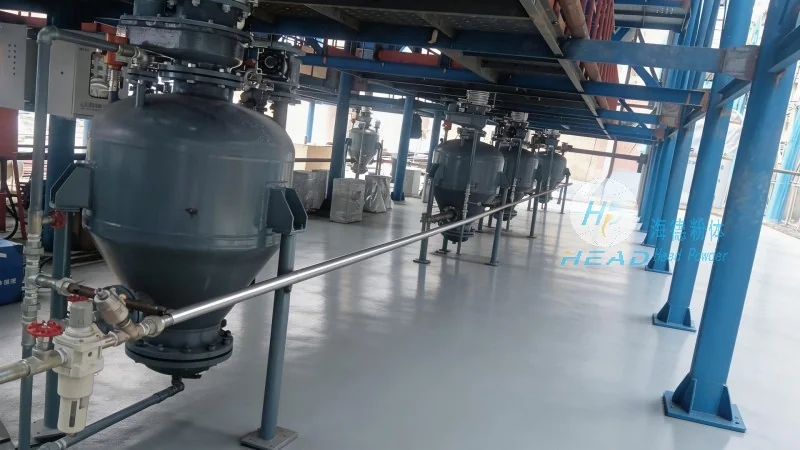
Positive pressure systems operate by blowing air or gas into the conveying line, creating a pressure higher than the ambient air pressure. This method pushes the material forward through the pipeline. In the context of wheat bran, positive pressure is often preferred for applications requiring high material flow rates or long-distance transport. The system can handle a wide range of materials, including fine powders like wheat bran, with minimal risk of clogging. However, it may require more energy and can be more expensive to install and maintain compared to negative pressure systems.
Negative Pressure Pneumatic Conveying
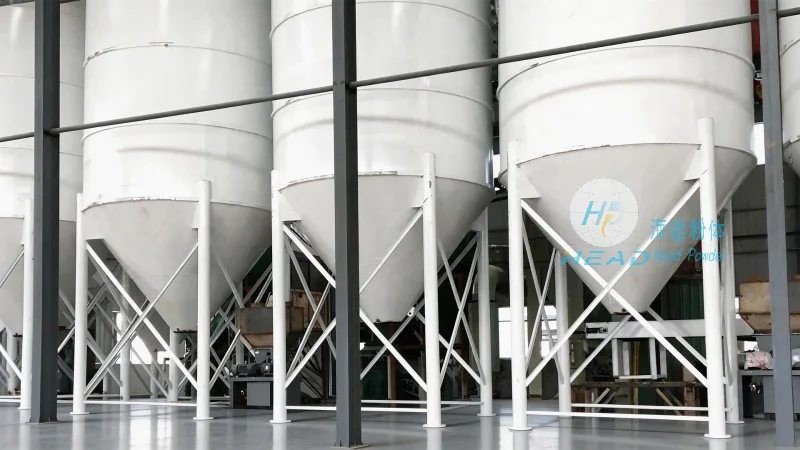
Negative pressure systems, on the other hand, create a vacuum or lower pressure in the conveying line compared to the ambient air. This draws the material into the system, pulling it from the source to the destination. Negative pressure is typically used for shorter distances or when handling materials that are less likely to cause blockages. It is generally more energy-efficient and cost-effective for smaller-scale operations. However, it may not be suitable for transporting large quantities of wheat bran or materials with high moisture content, as the vacuum can lead to material degradation or increased dust emissions.
Distinguishing Between the Two Methods
The key differences between positive and negative pressure pneumatic conveying for wheat bran can be summarized as follows:
- Pressure Source: Positive pressure uses a blower to increase pressure, while negative pressure uses a vacuum pump to reduce pressure.
- Material Flow Direction: Positive pressure pushes material forward, whereas negative pressure pulls it.
- Application Suitability: Positive pressure is ideal for high-volume, long-distance transport; negative pressure is better for low-volume, short-distance transport.
- Energy Consumption: Positive pressure systems consume more energy due to the higher pressure requirements; negative pressure systems are more energy-efficient.
- Installation and Maintenance: Positive pressure systems may require more robust components and higher maintenance costs; negative pressure systems are generally simpler and less expensive to maintain.
Factors to Consider When Choosing
When deciding between positive and negative pressure for wheat bran pneumatic conveying, several factors should be evaluated:
- Material Characteristics: The particle size, moisture content, and flowability of wheat bran will influence the choice. For example, fine, dry wheat bran may be better suited for negative pressure, while coarse or sticky bran may require positive pressure.
- Transport Distance: Longer distances typically favor positive pressure due to its ability to maintain material flow over extended pipelines.
- Capacity Requirements: High throughput applications demand positive pressure systems, as they can handle larger volumes without significant pressure loss.
- Environmental Considerations: Negative pressure systems may generate more dust and require proper filtration, while positive pressure systems can be more enclosed and cleaner.
- Cost Implications: Initial investment and operational costs should be weighed. Positive pressure may have higher upfront costs but lower maintenance for high-volume use; negative pressure is more economical for smaller operations.
Expert Guidance from Shandong HeadPowder Engineering Co., Ltd.
Shandong HeadPowder Engineering Co., Ltd., based in China, specializes in designing and manufacturing customized pneumatic conveying solutions tailored to the unique requirements of wheat bran processing. With years of experience, the company provides comprehensive support, from system design and installation to maintenance and troubleshooting. Their team of engineers works closely with clients to assess operational needs, material properties, and budget constraints to recommend the most efficient and cost-effective conveying method—whether positive or negative pressure.
By leveraging advanced technology and a deep understanding of pneumatic conveying principles, Shandong HeadPowder Engineering Co., Ltd. ensures that clients achieve optimal performance, reduced downtime, and enhanced safety in their wheat bran handling processes. The company’s commitment to quality and customer satisfaction makes it a trusted partner for businesses seeking reliable solutions in the grain processing industry.




