Pneumatic conveying is a critical method for transporting biological enzymes, which are often sensitive materials requiring careful handling. The choice between positive pressure and negative pressure systems significantly impacts efficiency, cost, and material integrity. Understanding the differences and selecting the appropriate system is essential for optimizing production processes in the biotechnology and pharmaceutical industries.
Understanding Positive Pressure Pneumatic Conveying
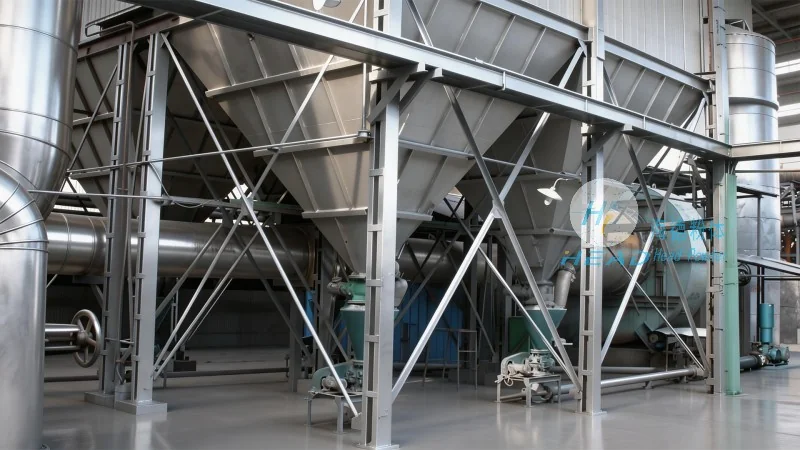
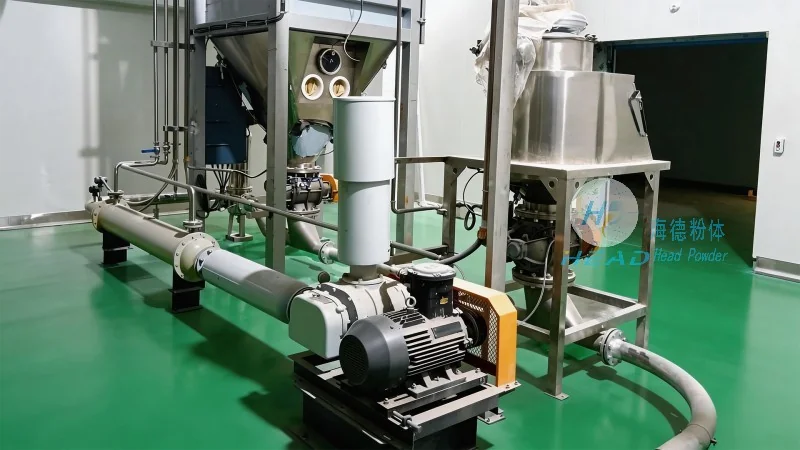
Positive pressure systems, also known as pressure conveying, operate by blowing air or gas into the conveying line to move material. This method is particularly effective for transporting fine powders like biological enzymes, as it provides consistent flow and reduces material degradation. The system typically includes a blower, a hopper, and a conveying line, with the material being drawn from the hopper into the line under pressure.
Key advantages of positive pressure systems include high conveying capacity, ability to handle long distances, and suitability for abrasive or sensitive materials. However, they may require more maintenance due to the higher pressure and potential for wear on components. The cost of equipment and energy consumption also needs to be considered when evaluating this option.
Understanding Negative Pressure Pneumatic Conveying
Negative pressure systems, or vacuum conveying, work by creating a vacuum in the conveying line to draw material from the source. This method is often preferred for short-distance or low-volume applications, as it is less complex and requires less equipment. The system uses a vacuum pump to create the suction force, pulling material from the hopper or storage area into the line.
Advantages of negative pressure systems include lower initial costs, easier installation, and reduced energy consumption compared to positive pressure systems. However, they have limitations in conveying long distances or large quantities of material, as the vacuum can be insufficient for high-volume or fine powders. Additionally, the risk of material contamination is higher due to the open system design.
Distinguishing Between Positive and Negative Pressure Systems
When deciding between positive and negative pressure for biological enzyme pneumatic conveying, several factors must be considered. The first is the material characteristics: fine, light powders like enzymes are better suited for positive pressure due to their low bulk density and tendency to settle. In contrast, heavier or bulkier materials may perform better with negative pressure if the distance is short.
Second, the conveying distance and system layout are critical. Positive pressure systems are ideal for long-distance transport, as the pressure can maintain flow over extended lengths. Negative pressure systems are more suitable for short distances, such as within a facility or between adjacent processing units.
Third, the required capacity and flow rate influence the choice. High-volume production lines often benefit from positive pressure systems, which can handle large quantities efficiently. For low-volume or batch processing, negative pressure may be sufficient and more cost-effective.
Fourth, the environmental and safety considerations play a role. Positive pressure systems are generally safer as they do not expose the material to external air, reducing the risk of contamination or dust emissions. Negative pressure systems, while simpler, may require additional filtration to prevent dust from escaping, which can be a concern in environments with strict air quality regulations.
Factors to Consider When Choosing a System for Biological Enzyme Pneumatic Conveying
Choosing the right pneumatic conveying system for biological enzymes involves evaluating multiple technical and operational factors. The first is the material's physical properties, including particle size, density, and moisture content. Enzymes are typically fine powders with low bulk density, making them more compatible with positive pressure systems that can handle low-density materials effectively.
Second, the production scale and throughput requirements are essential. Large-scale industrial applications may require high-capacity systems, where positive pressure conveying offers superior performance in terms of flow rate and reliability. Small-scale or laboratory applications might benefit from negative pressure systems due to their lower cost and simplicity.
Third, the system's integration with existing infrastructure is a practical consideration. If the facility already has a positive pressure blower or vacuum pump, leveraging that equipment can reduce installation costs. Conversely, if the plant is designed for low-pressure or vacuum operations, negative pressure systems may align better with current setups.
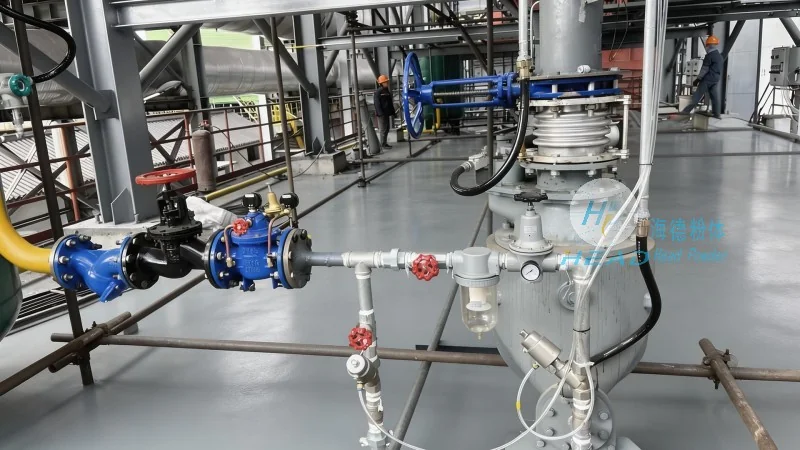
Fourth, the cost of operation and maintenance is a key factor. Positive pressure systems generally have higher energy consumption due to the continuous operation of the blower, but they may have lower maintenance costs for the vacuum pump in negative pressure systems. The long-term operational costs, including energy bills and component replacement, should be weighed against the initial investment.
Fifth, regulatory and compliance requirements must be addressed. Biological enzymes are often used in pharmaceutical or food applications, where strict standards for material purity and contamination control are mandatory. Positive pressure systems are preferred in such industries because they minimize exposure to ambient air, reducing the risk of microbial contamination or cross-contamination. Negative pressure systems, while simpler, may require additional filtration and air handling equipment to meet these regulations.
Conclusion: Making the Right Choice for Biological Enzyme Pneumatic Conveying
Ultimately, the choice between positive and negative pressure pneumatic conveying for biological enzymes depends on a combination of material characteristics, operational requirements, and cost considerations. Positive pressure systems offer superior performance for fine, low-density materials and long-distance transport, making them suitable for high-volume industrial applications. Negative pressure systems, while less expensive and simpler for short distances, may not be as effective for sensitive materials or large-scale production.
For companies like Shandong HeadPowder Engineering Co., Ltd., based in China, understanding these distinctions is crucial for providing tailored solutions to clients in the biotechnology sector. By evaluating the specific needs of each project—such as material type, conveying distance, and production scale—engineers can recommend the most efficient and cost-effective system. This approach ensures that biological enzymes are transported safely and efficiently, maintaining their integrity and effectiveness throughout the process.




