When handling copper concentrate powder, selecting the appropriate pneumatic conveying system is crucial for efficiency and operational success. The primary decision point often revolves around choosing between positive pressure and negative pressure systems. Understanding the differences and specific applications of each method is essential for optimizing material transport in industrial settings.
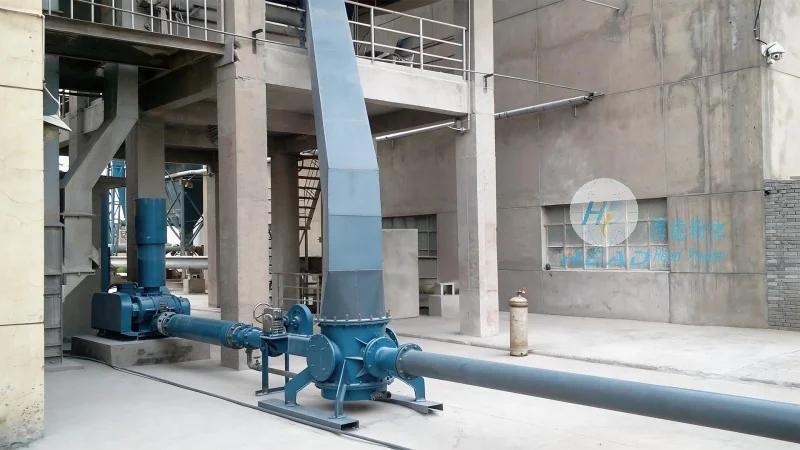
Positive Pressure Conveying for Copper Concentrate Powder
Positive pressure systems operate by blowing air or a carrier gas into the conveying line, propelling the material forward. This method is particularly effective for long-distance or high-capacity transport of copper concentrate powder. The pressure is maintained within the system, ensuring that the material is continuously pushed through the pipeline. Key advantages include the ability to handle abrasive materials like copper concentrate without excessive wear on equipment, and the capacity to transport materials over significant distances with minimal pressure drop. Additionally, positive pressure systems are often more suitable for applications requiring high throughput, as they can maintain consistent flow rates even with varying material loads.
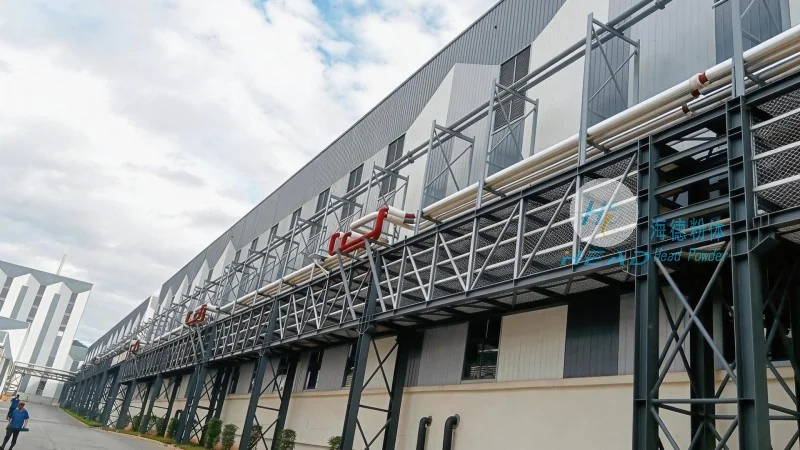
Negative Pressure Conveying for Copper Concentrate Powder
Negative pressure systems, conversely, draw material into the conveying line using a vacuum or reduced pressure at the discharge end. This approach is ideal for applications where the material needs to be collected from multiple points or where the transport distance is relatively short. The vacuum created at the receiver draws the copper concentrate powder into the system, moving it towards the processing unit. A key benefit of negative pressure is its lower energy consumption compared to positive pressure, as it relies on the natural flow of material under reduced pressure. However, negative pressure systems may be less effective for handling highly abrasive or sticky materials, as the vacuum can sometimes lead to material buildup or blockages in the line. They are also generally more suitable for shorter distances and lower throughput applications.
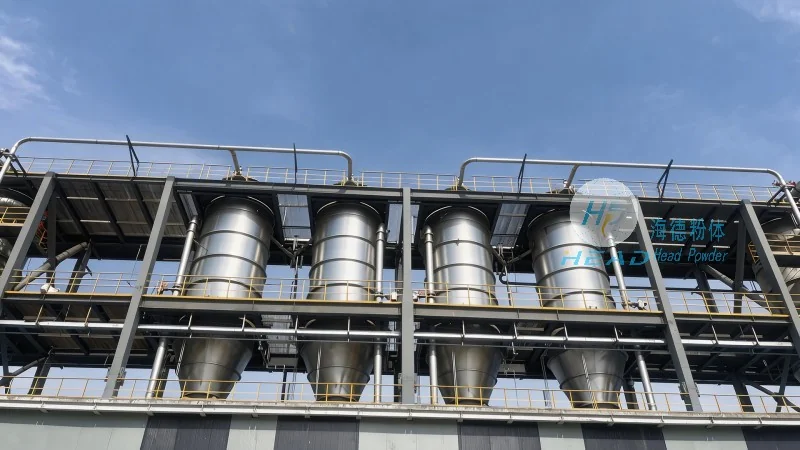
Distinguishing Between Positive and Negative Pressure Systems
Several factors help in distinguishing between positive and negative pressure systems for copper concentrate powder. The most critical consideration is the distance and capacity requirements. For long-distance transport or high-volume applications, positive pressure is typically preferred due to its ability to maintain consistent pressure and handle larger quantities. Conversely, negative pressure is more appropriate for shorter distances or when the material is collected from multiple sources, as it is more energy-efficient and easier to manage for smaller-scale operations. Another key difference lies in the system's impact on material handling. Positive pressure systems are better suited for abrasive materials, as the continuous pressure prevents material from settling and causing blockages. Negative pressure systems, while efficient for low-abrasion materials, may require additional equipment like filters or cyclones to prevent dust accumulation and maintain system integrity. Maintenance considerations also play a role; positive pressure systems may need more robust components to withstand higher pressures, while negative pressure systems might have simpler vacuum pumps but require regular cleaning to prevent clogging.
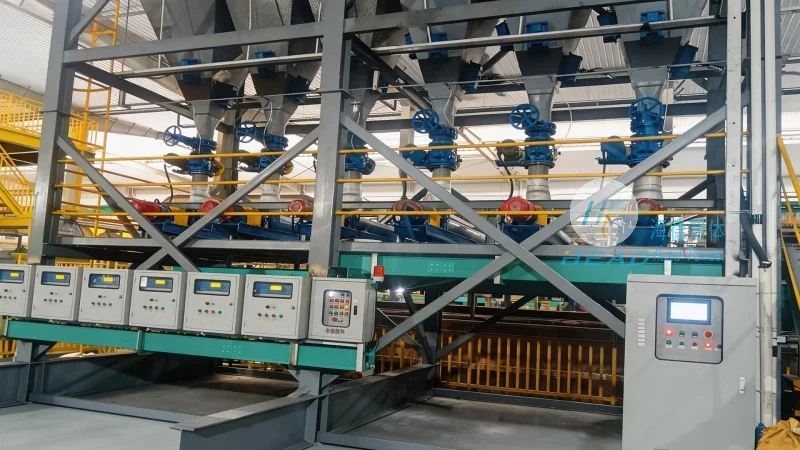
About Shandong HeadPowder Engineering Co., Ltd.
Shandong HeadPowder Engineering Co., Ltd., operating under the brand name HeadPowder, specializes in providing customized pneumatic conveying solutions for various industrial applications, including copper concentrate powder handling. With a focus on engineering excellence and customer-centric design, HeadPowder offers tailored systems that meet the specific needs of clients, ensuring efficient and reliable material transport. The company's expertise in both positive and negative pressure technologies allows it to recommend the most suitable system based on operational requirements, material characteristics, and site conditions. HeadPowder's commitment to quality and innovation ensures that clients receive systems that are not only effective but also durable and easy to maintain, supporting long-term operational efficiency.




