When it comes to transporting coal and limestone powder, selecting the right pneumatic conveying system is crucial for efficiency and cost-effectiveness. Two primary methods are widely used: positive pressure and negative pressure systems. Understanding the differences between these two approaches is essential for making an informed decision. This article will explore the characteristics, advantages, and disadvantages of both positive and negative pressure pneumatic conveying, helping you determine which system is best suited for your specific needs.
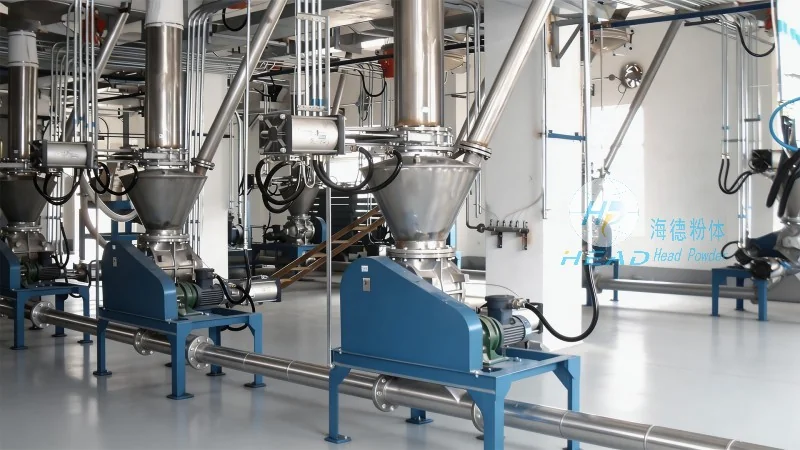
Understanding Pneumatic Conveying Systems
Pneumatic conveying is a method of transporting bulk materials like coal and limestone powder through a pipeline using air or gas as the conveying medium. The system can be categorized into two main types based on the pressure differential: positive pressure and negative pressure. Both systems rely on the movement of air to move the material, but they differ in how the air is pressurized and the direction of material flow.
Positive Pressure Pneumatic Conveying
Positive pressure systems operate by blowing air into the conveying line, creating a pressure higher than the ambient air pressure. The material is drawn into the line by the pressure differential and is propelled forward by the moving air. This method is often used for short to medium-distance conveying and for materials that are prone to dusting or caking. The positive pressure system is generally more suitable for applications where the material is to be delivered to a specific point, such as a storage silo or a processing plant.
One of the key advantages of positive pressure systems is their ability to handle a wide range of materials, including those that are abrasive or have high moisture content. The high pressure ensures that the material is fully enclosed and protected from the environment, reducing the risk of dust contamination. Additionally, positive pressure systems are relatively easy to install and maintain, as they do not require complex vacuum equipment.
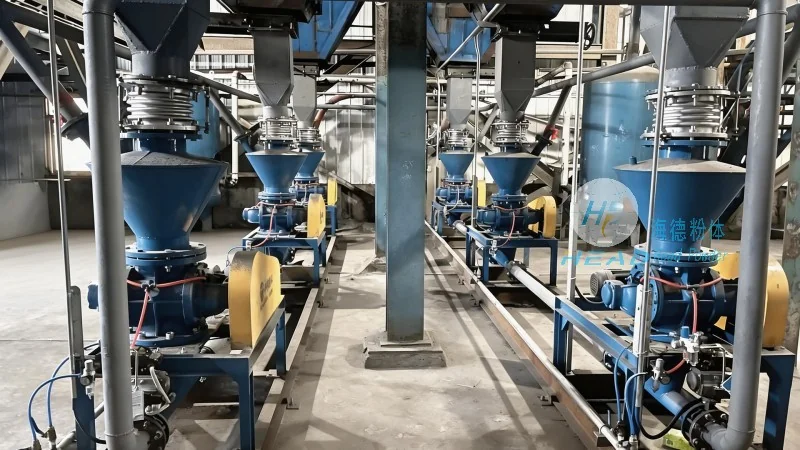
However, positive pressure systems may not be ideal for long-distance conveying or for materials that are sensitive to pressure changes. The high air velocity required to move the material can lead to increased energy consumption and higher operational costs. Furthermore, the system may require additional filtration and dust control measures to prevent air pollution and ensure compliance with environmental regulations.
Negative Pressure Pneumatic Conveying
Negative pressure systems, also known as vacuum systems, operate by creating a vacuum in the conveying line, which draws the material into the system. The material is then transported through the pipeline by the suction created by the vacuum pump. This method is commonly used for long-distance conveying and for materials that are light and dusty, such as limestone powder. The negative pressure system is particularly effective when the material needs to be collected from multiple sources and transported to a central location.
A major advantage of negative pressure systems is their ability to handle long-distance conveying with relatively low air velocities. This reduces energy consumption and operational costs compared to positive pressure systems. The vacuum also helps to minimize dust emissions, making the system more environmentally friendly. Additionally, negative pressure systems are well-suited for applications where the material is to be collected from open sources, such as stockpiles or raw material bins.
Nevertheless, negative pressure systems have some limitations. The vacuum created in the line can lead to material degradation or caking, especially for materials with high moisture content. The system also requires more complex equipment, including vacuum pumps and additional filtration systems, which can increase maintenance costs. Furthermore, the high suction pressure may cause the material to stick to the pipeline walls, leading to blockages and reduced efficiency.
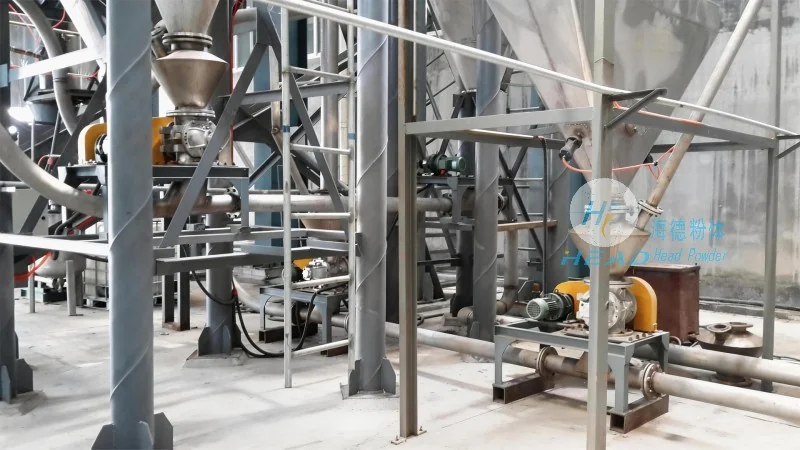
Distinguishing Between Positive and Negative Pressure Systems
When deciding between positive and negative pressure pneumatic conveying for coal and limestone powder, several factors should be considered. The first factor is the distance of the conveying line. Positive pressure systems are generally better for short to medium distances, while negative pressure systems are more suitable for long distances. The second factor is the material properties, such as particle size, moisture content, and dustiness. Materials that are abrasive or have high moisture content may be better suited for positive pressure systems, while light and dusty materials may be more appropriate for negative pressure systems.
The third factor is the system's energy efficiency and operational costs. Positive pressure systems typically consume more energy due to the high air velocity required, while negative pressure systems are more energy-efficient for long-distance conveying. The fourth factor is the environmental impact. Negative pressure systems generally produce less dust and are more environmentally friendly, while positive pressure systems may require additional dust control measures.
Conclusion
Choosing between positive and negative pressure pneumatic conveying for coal and limestone powder depends on a variety of factors, including the conveying distance, material properties, energy efficiency, and environmental considerations. Both systems have their own advantages and disadvantages, and the best choice will depend on the specific requirements of your application. Shandong HeadPowder Engineering Co., Ltd. (headpowder), a leading provider of pneumatic conveying solutions based in Shandong, China, offers a range of systems tailored to meet the needs of different industries. By understanding the differences between positive and negative pressure systems, you can make an informed decision that maximizes efficiency and minimizes costs.




