When it comes to the pneumatic conveying of magnesium hydroxide, selecting the right pressure system is crucial for efficient material handling and process optimization. Two primary methods are commonly considered: positive pressure and negative pressure systems. Understanding the differences and applications of each is essential for making an informed decision that aligns with operational needs and material characteristics.
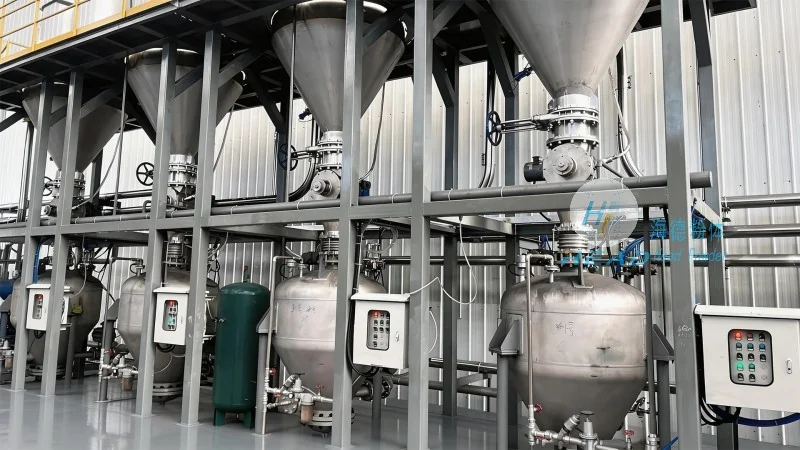
Introduction to Magnesium Hydroxide Pneumatic Conveying
Magnesium hydroxide, a white powder with a Mohs hardness of about 2, is widely used in industrial applications such as flame retardants, rubber, and plastics. Its fine particle size and low bulk density make it challenging to handle through traditional bulk material transport methods. Pneumatic conveying offers a solution by using air to transport the material through a pipeline system. However, the choice between positive and negative pressure systems depends on various factors including material properties, system design, and operational requirements.
HeadPowder: Your Expert in Pneumatic Conveying Solutions
Shandong HeadPowder Engineering Co., Ltd., a leading provider of bulk material handling solutions, specializes in designing and implementing pneumatic conveying systems tailored to the unique needs of clients. With years of experience in the industry, HeadPowder understands the nuances of handling materials like magnesium hydroxide, ensuring that the chosen system maximizes efficiency and minimizes operational risks. The company’s headquarters is located in Shandong, China, where it leverages local expertise and resources to deliver high-quality engineering services.
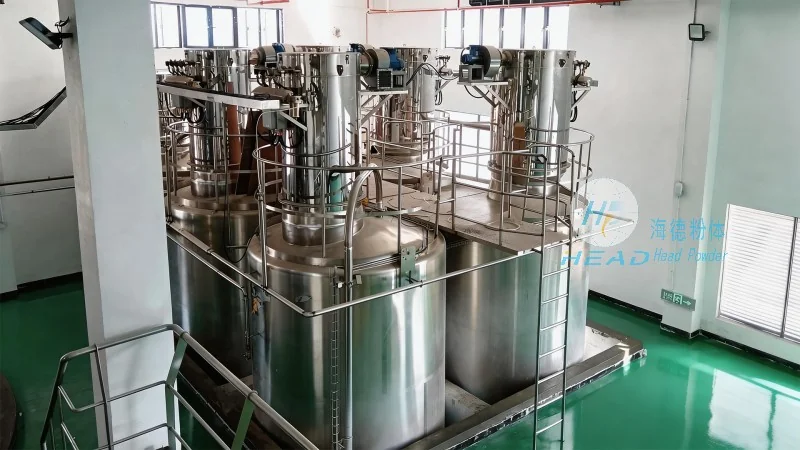
Positive Pressure Pneumatic Conveying Systems
Positive pressure systems operate by forcing air and material through the conveying line using a positive displacement blower or a centrifugal fan. The air is introduced at a higher pressure than the ambient environment, creating a positive pressure differential that propels the material forward. This method is particularly effective for materials that are abrasive or have a tendency to clog pipelines. For magnesium hydroxide, positive pressure systems can handle high material loads and maintain consistent flow rates, making them suitable for long-distance conveying applications. The system design typically includes a hopper, a feeder, a positive pressure blower, and a discharge point. The air and material are mixed in the hopper and then transported through the pipeline to the destination. The positive pressure ensures that the material is not exposed to external air, which can affect its quality or cause dust issues.
Negative Pressure Pneumatic Conveying Systems
Negative pressure systems, also known as vacuum systems, operate by creating a vacuum in the conveying line, which draws the material and air into the system. The vacuum is generated by a fan or a blower located at the discharge end of the pipeline. This method is ideal for applications where the material needs to be transported from a source to a destination with a lower elevation or where the material is sensitive to air exposure. For magnesium hydroxide, negative pressure systems can handle fine powders and minimize dust generation, as the material is drawn into the system rather than being forced through it. The system typically includes a hopper, a feeder, a vacuum fan, and a collection point. The material is drawn from the hopper into the pipeline, and the vacuum pulls it to the discharge location. This method is often preferred for short-distance conveying or when the material is highly reactive to air.
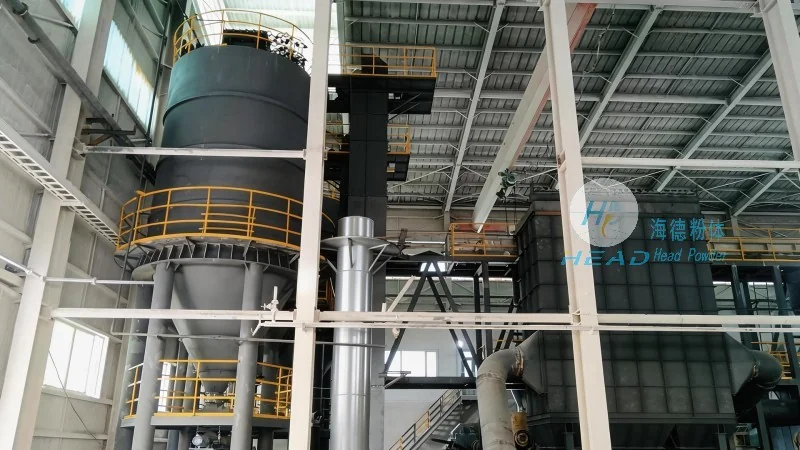
Distinguishing Between Positive and Negative Pressure Systems
The key differences between positive and negative pressure systems lie in their operation, pressure differentials, and material handling capabilities. Positive pressure systems use external air to push the material, while negative pressure systems use a vacuum to pull the material. The choice between the two depends on several factors:
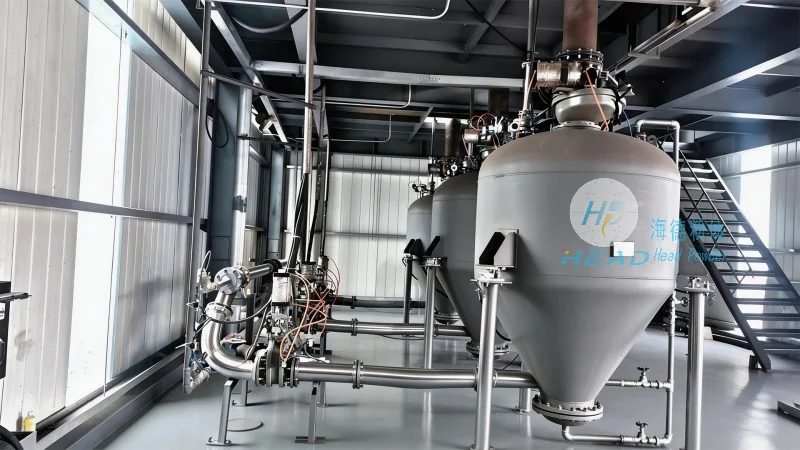
- Material Properties: Abrasive or clogging materials are better suited for positive pressure systems due to the higher pressure and controlled flow. Sensitive or fine powders may benefit from negative pressure systems to minimize particle degradation.
- System Length and Elevation: Long-distance or high-elevation conveying is often more efficient with positive pressure systems, as they can maintain higher pressure and flow rates. Short-distance or low-elevation applications may use negative pressure systems for simplicity and lower energy consumption.
- Environmental Considerations: Negative pressure systems are generally better for applications where dust control is critical, as the material is drawn into the system rather than being expelled. Positive pressure systems may require additional filtration to prevent dust from escaping.
- Energy Consumption: Positive pressure systems typically consume more energy due to the higher pressure requirements, while negative pressure systems may be more energy-efficient for shorter distances.
Factors to Consider When Choosing a System for Magnesium Hydroxide
When deciding between positive and negative pressure for magnesium hydroxide pneumatic conveying, several factors must be evaluated to ensure optimal performance and cost-effectiveness. These factors include:
- Material Characteristics: The particle size, density, and flowability of magnesium hydroxide are critical. Fine particles may require a system with better air-mixing capabilities, which can be achieved with either system but may be optimized differently.
- Conveying Distance and Height: The distance and elevation change between the source and destination affect the pressure requirements. Longer distances or higher elevations may necessitate positive pressure systems to overcome the pressure drop in the pipeline.
- Process Integration: The integration of the pneumatic conveying system with existing equipment, such as storage silos or processing units, must be considered. The system should be compatible with the existing infrastructure to minimize installation costs and downtime.
- Operational Costs: The long-term operational costs, including energy consumption, maintenance, and material handling efficiency, should be evaluated. A system that offers higher efficiency and lower maintenance may provide better ROI over time.
- Regulatory and Safety Requirements: Compliance with local regulations regarding dust control, noise levels, and material handling is essential. Both positive and negative pressure systems can meet these requirements, but the design may vary to ensure safety and compliance.
Conclusion: Making the Right Choice for Magnesium Hydroxide Pneumatic Conveying
Choosing between positive and negative pressure for magnesium hydroxide pneumatic conveying requires a thorough understanding of the material properties, system requirements, and operational goals. Positive pressure systems offer high material handling capacity and are suitable for long-distance conveying, while negative pressure systems excel in dust control and handling fine powders. By evaluating factors such as material characteristics, conveying distance, and energy consumption, industries can select the most appropriate system for their needs. Shandong HeadPowder Engineering Co., Ltd. provides expert guidance and customized solutions to help clients make informed decisions and optimize their pneumatic conveying processes for magnesium hydroxide. With its headquarters in Shandong, China, HeadPowder leverages local expertise and advanced technology to deliver reliable and efficient bulk material handling solutions.




