When it comes to the pneumatic conveying of potassium carbonate fertilizer, selecting the right system is crucial for efficiency, cost-effectiveness, and operational safety. Two primary methods are commonly considered: positive pressure conveying and negative pressure conveying. Understanding the differences between these two approaches is essential for making an informed decision that aligns with your specific operational needs. This article will explore the key distinctions between positive and negative pressure systems, helping you determine which option is best suited for your potassium carbonate fertilizer handling requirements. As a leading engineering company based in Shandong, China, Shandong HeadPowder Engineering Co., Ltd. specializes in providing tailored solutions for bulk material handling, including pneumatic conveying systems for potassium carbonate fertilizer.
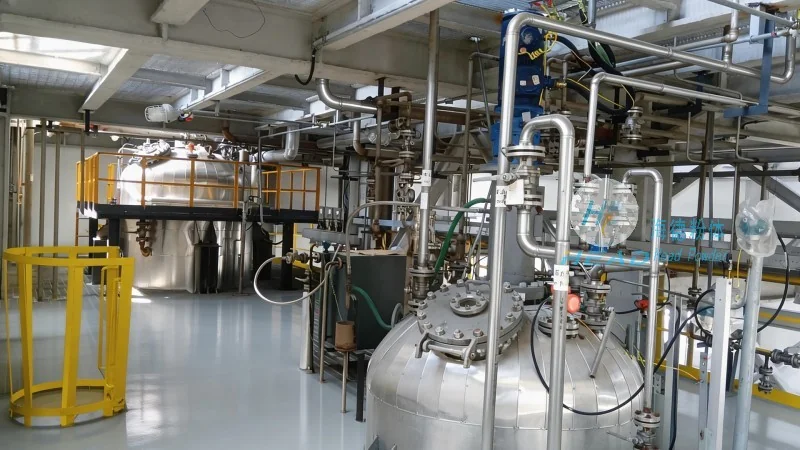
Understanding Pneumatic Conveying Systems
Pneumatic conveying is a method of transporting bulk materials like potassium carbonate fertilizer through a pipeline using air or gas. The system can operate under either positive or negative pressure, each with its own set of advantages and limitations. Positive pressure systems force air or gas into the conveying line, while negative pressure systems draw material and air out of the line. The choice between these two depends on factors such as material properties, distance, and the overall system layout.
Positive Pressure Conveying: Advantages and Applications
Positive pressure conveying, also known as pressure pneumatic conveying, involves blowing air or gas into the conveying line to move the material. This method is often preferred for applications where the material needs to be transported over long distances or through complex piping networks. The primary advantages of positive pressure systems include high conveying capacity, the ability to handle abrasive materials without excessive wear, and better control over the material flow. For potassium carbonate fertilizer, which can be relatively fine and dusty, positive pressure systems can effectively transport the material without causing excessive pressure drops or material degradation.
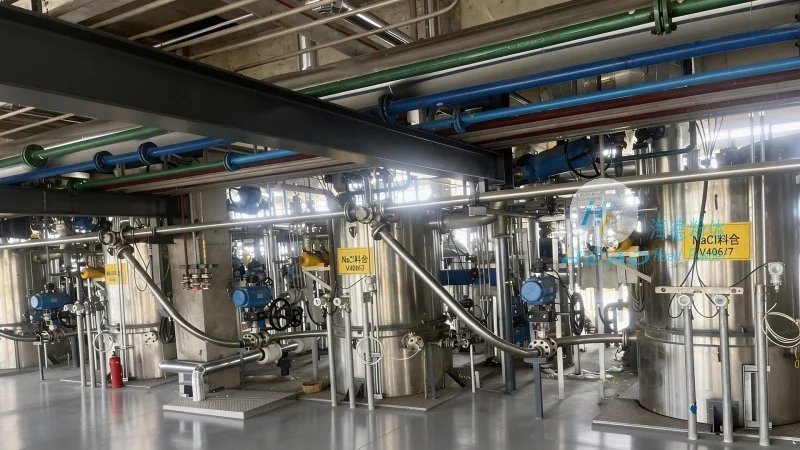
Negative Pressure Conveying: Advantages and Applications
Negative pressure conveying, or vacuum pneumatic conveying, operates by creating a vacuum in the conveying line to draw material and air from the source. This method is typically used for shorter distances and when the material is to be collected from multiple points. The main benefits of negative pressure systems include lower energy consumption for short-distance transport, reduced risk of dust emissions at the source, and the ability to handle materials that are sensitive to pressure changes. However, negative pressure systems may have limitations when dealing with long distances or high material loads, as the vacuum can lead to higher energy costs and potential material degradation if not properly managed.
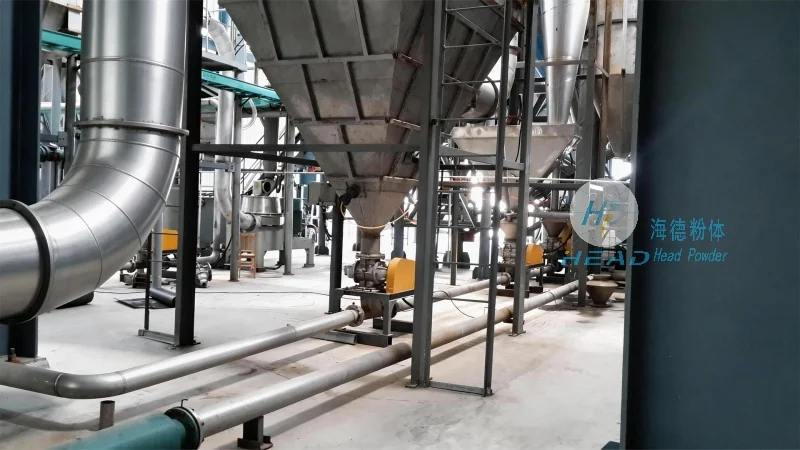
Distinguishing Between Positive and Negative Pressure Systems
How can you tell which system is right for your potassium carbonate fertilizer handling? The key factors to consider include the distance between the source and destination, the material's properties (such as particle size, moisture content, and abrasiveness), and the overall system layout. For example, if you need to transport potassium carbonate fertilizer over a distance of more than 100 meters, a positive pressure system is often more suitable due to its higher conveying capacity and ability to maintain consistent flow. Conversely, for short-distance transport within a facility, a negative pressure system may be more efficient and cost-effective.
Key Considerations for Selecting the Right System
When choosing between positive and negative pressure for potassium carbonate fertilizer pneumatic conveying, several factors should be evaluated. First, consider the material's characteristics: potassium carbonate is a fine, dry powder that can be prone to dusting. Positive pressure systems can handle this well, as they provide consistent air flow to prevent material buildup in the pipeline. Second, assess the distance and layout of the conveying system. Longer distances typically favor positive pressure, while shorter distances or multiple collection points may benefit from negative pressure. Third, evaluate the energy consumption and operational costs. Positive pressure systems may require more energy to maintain pressure, but they can be more efficient for long-distance transport. Negative pressure systems, while less energy-intensive for short distances, may have higher maintenance costs due to the vacuum components.




