When it comes to transporting soybeans and grains, selecting the right pneumatic conveying system is crucial for efficiency, cost-effectiveness, and operational safety. Two primary types of systems dominate the market: positive pressure and negative pressure. Understanding the differences between these two approaches is essential for making an informed decision that aligns with your specific operational needs. This article explores the key characteristics of both positive and negative pressure systems, outlines the factors to consider when choosing between them, and provides practical guidance on how to distinguish one from the other.
Understanding Positive Pressure Pneumatic Conveying
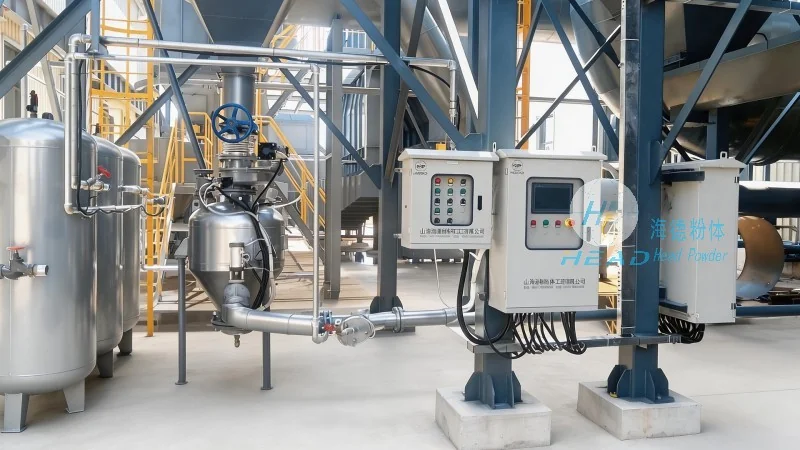
Positive pressure pneumatic conveying systems operate by blowing air or gas into the conveying line, creating a pressure higher than the ambient air pressure. This method forces the material to move through the system by pushing it forward. The primary advantages of positive pressure systems include their ability to handle a wide range of materials, including those with high moisture content or sticky properties, and their suitability for long-distance or high-rise applications. These systems are often preferred in industries where material handling requires high throughput and consistent performance. The equipment used in positive pressure systems typically includes a blower, a hopper for material loading, and a pipeline network that transports the material to the destination. The pressure differential ensures that the material is continuously moved, reducing the risk of clogging and improving overall system reliability.
Key Features of Positive Pressure Systems
Positive pressure systems are known for their robust design and ability to handle challenging materials. They can operate at higher pressures, which allows for greater conveying distances and higher material flow rates. The blower in a positive pressure system is typically a positive displacement type, such as a rotary lobe or roots blower, which provides consistent airflow and pressure. This design ensures that the system maintains a stable pressure, even when the material load fluctuates. Additionally, positive pressure systems are often equipped with filters and cyclones to separate the material from the air, preventing dust and debris from entering the environment. This feature is particularly important in food processing industries where hygiene and product purity are paramount. The maintenance of positive pressure systems is generally straightforward, as the components are designed to withstand high pressures and abrasive materials. Regular inspections of the blower, hopper, and pipeline are recommended to ensure optimal performance and longevity.
Understanding Negative Pressure Pneumatic Conveying
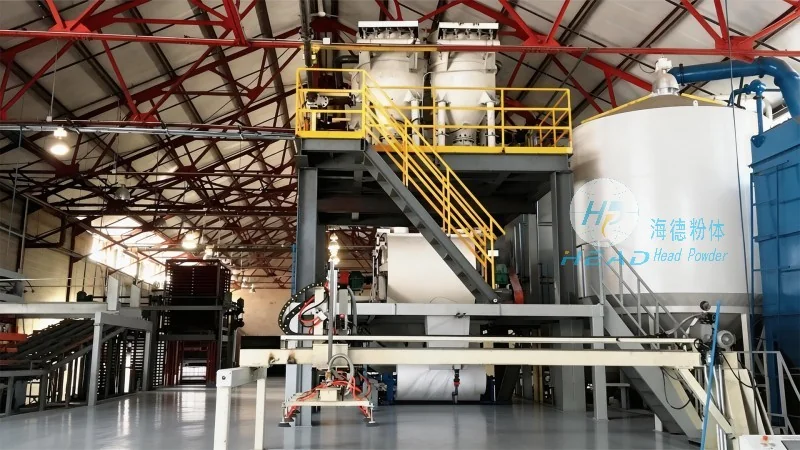
Negative pressure pneumatic conveying systems, on the other hand, operate by creating a vacuum or low pressure in the conveying line, which draws the material into the system. The air or gas is then drawn through the material, carrying it to the destination. This method is often referred to as "suction" or "vacuum" conveying. Negative pressure systems are typically used for shorter distances and lower material loads, as the vacuum can be less effective over longer distances or with heavy materials. However, they are ideal for applications where the material needs to be collected from multiple points or where the destination is at a lower elevation than the source. The primary advantages of negative pressure systems include their lower initial cost and reduced noise levels compared to positive pressure systems. These systems are commonly used in industries such as pharmaceuticals, where quiet operation and minimal dust generation are critical. The equipment used in negative pressure systems includes a vacuum pump, a hopper, and a pipeline network that pulls the material into the system.
Key Features of Negative Pressure Systems
Negative pressure systems are designed to operate at lower pressures, typically around atmospheric pressure minus the vacuum level. The vacuum pump, often a rotary vane or Roots type, creates the necessary suction to draw the material. The system relies on the density and flow characteristics of the material to ensure efficient transport. Unlike positive pressure systems, negative pressure systems do not generate high pressures, which reduces the risk of pressure-related failures and simplifies the overall design. However, they are more susceptible to clogging and material buildup in the pipeline, as the low pressure may not be sufficient to move all particles effectively. To mitigate this, negative pressure systems often incorporate additional components such as rotary valves or airlocks to prevent material from settling and blocking the line. The maintenance of negative pressure systems focuses on ensuring the vacuum pump operates efficiently and that the filters are clean to prevent dust from entering the system. Regular checks of the vacuum level and pipeline integrity are essential to maintain optimal performance.
Distinguishing Between Positive and Negative Pressure Systems
Identifying whether a system is positive or negative pressure can be done by observing the pressure readings and the direction of air flow. In a positive pressure system, the pressure inside the pipeline is higher than the ambient air pressure, and air is forced out of the system at the discharge point. Conversely, in a negative pressure system, the pressure inside the pipeline is lower than the ambient air, and air is drawn into the system at the inlet. Another key distinction is the type of blower or pump used. Positive pressure systems use blowers that generate positive pressure, while negative pressure systems use vacuum pumps that create a vacuum. The material handling characteristics also differ, with positive pressure systems better suited for high-volume, long-distance transport and negative pressure systems ideal for low-volume, short-distance or collection applications. The choice between the two depends on factors such as the distance between the source and destination, the material properties (e.g., moisture content, stickiness), the required throughput, and the operational environment (e.g., noise restrictions, dust control requirements).
Factors to Consider When Choosing a Pneumatic Conveying System
When deciding between positive and negative pressure pneumatic conveying for soybeans and grains, several factors must be taken into account. The first consideration is the conveying distance. Positive pressure systems are generally more suitable for longer distances, as the pressure can be maintained over greater lengths without significant loss. Negative pressure systems are better for shorter distances, as the vacuum may not be sufficient to transport material over long distances without excessive pressure drop. The second factor is the material characteristics. If the soybeans or grains are sticky or have high moisture content, a positive pressure system may be more effective, as the higher pressure can help break up clumps and move the material more efficiently. Conversely, if the material is dry and free-flowing, a negative pressure system may suffice. The third factor is the required throughput. Positive pressure systems are designed to handle higher material flow rates, making them ideal for high-volume operations. Negative pressure systems are more suitable for lower throughput applications. The fourth factor is the operational environment. If noise is a concern, a negative pressure system may be preferred, as they are generally quieter than positive pressure systems. Additionally, if dust control is critical, both systems can be equipped with filters, but the design of the system (e.g., sealed hoppers and pipelines) plays a significant role in minimizing dust emissions.
Conclusion
Choosing between positive pressure and negative pressure pneumatic conveying for soybeans and grains requires a careful evaluation of the specific operational requirements and material characteristics. Positive pressure systems offer robustness, high throughput, and suitability for long-distance transport, while negative pressure systems provide lower cost, quieter operation, and are ideal for shorter distances or collection applications. By understanding the key features and distinguishing factors of each system, you can make an informed decision that optimizes efficiency, reduces costs, and ensures safe and reliable material handling. For expert guidance and customized solutions, consider consulting with industry leaders such as Shandong HeadPowder Engineering Co., Ltd., a company with extensive experience in designing and implementing pneumatic conveying systems tailored to the unique needs of the agricultural and food processing industries.




