

Types, Features, and Application Ranges of Pneumatic Conveying for Beer Spoilage
Beer spoilage, also known as beer waste or spent grain, is a byproduct of the brewing process. Efficient handling and transportation of this material are crucial for breweries to maintain operational efficiency and environmental compliance. Pneumatic conveying systems have emerged as a preferred solution for moving beer spoilage due to their ability to handle bulk materials with minimal labor and space requirements. This article explores the types, key features, and diverse application ranges of pneumatic conveying systems specifically designed for beer spoilage management.
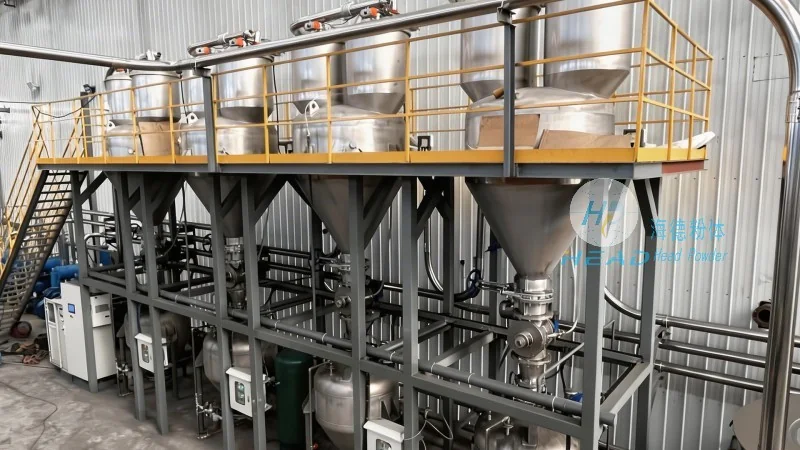
Overview of Pneumatic Conveying for Beer Spoilage
Pneumatic conveying systems utilize air or gas to transport bulk materials like beer spoilage through a pipeline network. Unlike traditional mechanical conveying methods, such as screw conveyors or belt conveyors, pneumatic systems offer advantages in terms of flexibility, cleanliness, and the ability to handle materials with high moisture content or abrasive properties. The core components of a pneumatic conveying system typically include a hopper for material storage, a conveying line, a blower or compressor to generate air pressure, and a discharge point for the material. The system operates by introducing air into the material, creating a fluidized or suspended state that allows the material to be moved through the pipeline.
Types of Pneumatic Conveying Systems for Beer Spoilage
Several types of pneumatic conveying systems are available for handling beer spoilage, each with distinct characteristics and suitability for different operational conditions. The primary categories include:
1. Dilute Phase Pneumatic Conveying
Dilute phase systems are the most common type for beer spoilage transportation. In this system, the material is suspended in air at a low solids concentration, typically ranging from 1% to 10% by volume. The conveying velocity is relatively high, often exceeding the material's terminal velocity, which ensures efficient movement through the pipeline. Dilute phase systems are suitable for long-distance transport and can handle materials with varying moisture levels. They are generally more energy-efficient compared to dense phase systems and are ideal for applications where material degradation is a concern.
2. Dense Phase Pneumatic Conveying
Dense phase systems operate at a higher solids concentration, typically between 10% to 30% by volume. The material is conveyed in a slug or plug flow, where the material moves in discrete batches rather than a continuous stream. This method is particularly effective for handling materials that are sensitive to high velocity or for applications requiring precise control over the discharge rate. Dense phase systems are often used when the material needs to be delivered gently to avoid breakage or for processes that demand a controlled flow rate.
3. Hybrid Pneumatic Conveying
Hybrid systems combine elements of both dilute and dense phase operations. They use a combination of low and high air velocities to achieve optimal conveying performance. This approach allows for flexibility in handling different material characteristics and operational requirements. Hybrid systems are versatile and can be adapted for various beer spoilage handling scenarios, making them a popular choice for breweries with diverse processing needs.
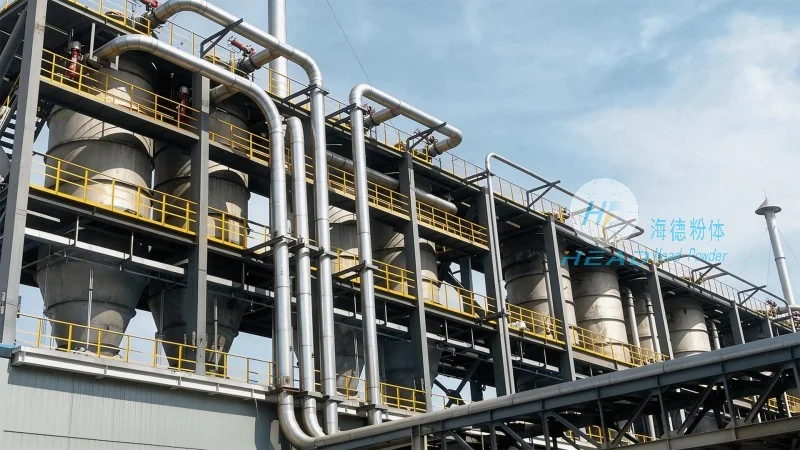
Key Features of Pneumatic Conveying Systems for Beer Spoilage
When selecting a pneumatic conveying system for beer spoilage, several key features must be considered to ensure optimal performance and longevity. These features include:
1. Material Handling Capability
The system must be capable of handling the specific characteristics of beer spoilage, such as high moisture content, varying particle sizes, and potential for caking or agglomeration. Advanced systems may incorporate features like agitators or vibrators to prevent material buildup and ensure consistent flow.
2. Air Pressure and Velocity Control
Accurate control of air pressure and velocity is critical to prevent material degradation and ensure efficient transport. Modern systems utilize variable frequency drives (VFDs) and advanced control algorithms to adjust air flow in real-time, adapting to changes in material load or pipeline conditions.
3. Cleaning and Maintenance
Pneumatic conveying systems require regular cleaning to prevent material residue buildup, which can affect performance and hygiene. Systems with self-cleaning features, such as reverse air flow or automated cleaning cycles, are preferred for maintaining operational efficiency and compliance with sanitary standards.
4. Energy Efficiency
Energy consumption is a significant factor in the long-term operation of pneumatic conveying systems. High-efficiency blowers, optimized pipeline designs, and energy recovery systems can reduce operational costs and environmental impact. Manufacturers often provide detailed energy consumption data to help breweries evaluate the cost-effectiveness of different system configurations.
Application Ranges of Pneumatic Conveying Systems for Beer Spoilage
Pneumatic conveying systems for beer spoilage are widely used across various stages of the brewing process and in different operational settings. The primary application ranges include:
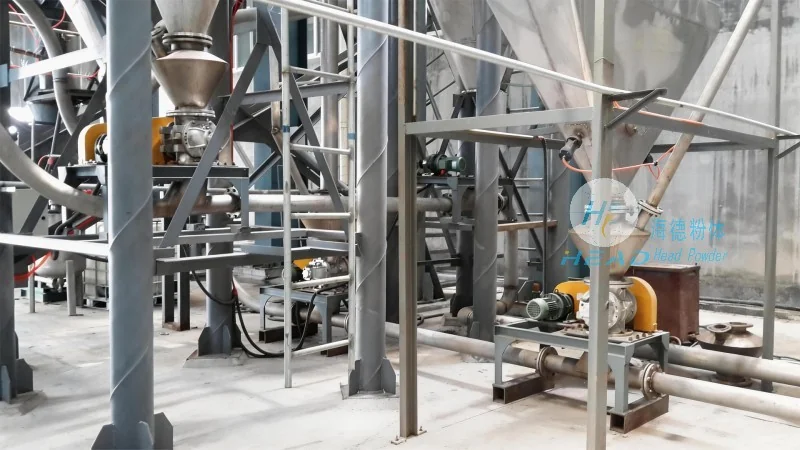
1. From Brewery to Storage Facilities
After the brewing process, beer spoilage is typically collected and transported from the brewery to storage silos or landfills. Pneumatic conveying systems are ideal for this application as they can handle long-distance transport with minimal equipment and space requirements. The systems ensure that the material is moved hygienically and efficiently, reducing the risk of contamination and odor issues.
2. Within Brewery Processing Lines
Within the brewery, pneumatic conveying systems are used to transfer beer spoilage between processing stages, such as from the fermentation tanks to the drying or conditioning equipment. This internal transport is crucial for maintaining a continuous and efficient production flow. The systems can be integrated with other brewery equipment, allowing for seamless material handling and reducing downtime.
3. To Waste Management and Recycling Facilities
Breweries increasingly focus on sustainability and recycling. Pneumatic conveying systems are used to transport beer spoilage to waste management facilities or recycling plants where the material can be processed into animal feed, biofuels, or other value-added products. This application helps breweries reduce their environmental footprint and generate additional revenue from waste utilization.
4. For Bulk Material Handling in Industrial Settings
Beyond breweries, pneumatic conveying systems are also used in industrial settings for handling bulk materials with similar characteristics to beer spoilage. This includes applications in food processing, pharmaceuticals, and other industries where hygienic and efficient material transport is essential. The versatility of pneumatic systems makes them suitable for a wide range of industrial material handling needs.
Conclusion
Pneumatic conveying systems offer a reliable and efficient solution for handling beer spoilage, with various types and features tailored to specific operational requirements. The systems provide advantages in terms of flexibility, cleanliness, and energy efficiency, making them a preferred choice for breweries and industrial facilities. By understanding the different types, key features, and application ranges of pneumatic conveying systems, breweries can optimize their material handling processes, enhance operational efficiency, and contribute to sustainable waste management practices. Shandong HeadPowder Engineering Co., Ltd., based in Shandong, China, specializes in designing and manufacturing customized pneumatic conveying solutions for beer spoilage and other bulk materials, helping clients achieve their operational and environmental goals.