

The Role of Pneumatic Conveying in Hydrogen Chloride Transport
HeadPowder, a leading engineering firm based in Shandong, China, specializes in advanced material handling solutions, including pneumatic conveying systems for hazardous and corrosive substances like hydrogen chloride. With a strong commitment to safety and efficiency, the company has established itself as a trusted partner in the chemical processing industry, delivering tailored solutions that meet stringent operational requirements.
Understanding Pneumatic Conveying Systems
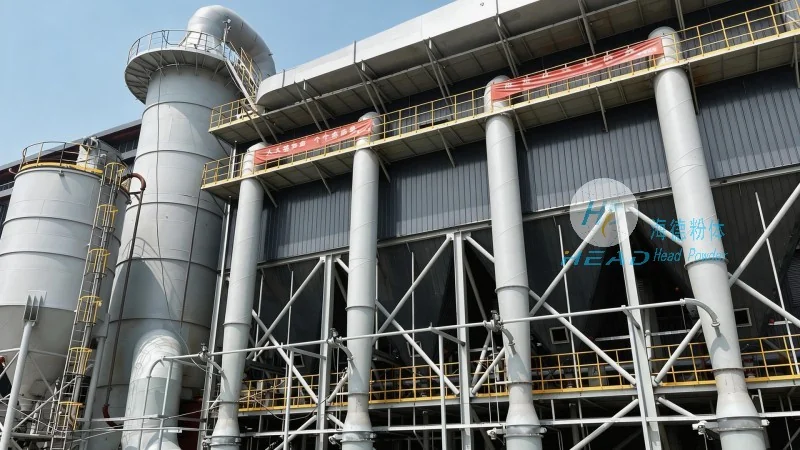
Pneumatic conveying, also known as air conveying, is a method of transporting bulk materials through a pipeline using pressurized or vacuum air. This technology offers a flexible and reliable means of moving materials over long distances, often in environments where traditional mechanical conveyors may pose challenges. The system typically consists of a hopper for material storage, a conveyor line, and a control unit that regulates air flow and pressure. For applications involving corrosive chemicals such as hydrogen chloride, specialized materials of construction are essential to ensure system durability and safety.
The Importance of Pneumatic Conveying in Hydrogen Chloride Transport
Hydrogen chloride (HCl) is a highly corrosive and toxic gas commonly used in various industrial processes, including chemical synthesis, metal pickling, and water treatment. Traditional transport methods, such as truck or rail transport, present significant safety risks due to the gas's hazardous nature. Pneumatic conveying provides a safer alternative by enclosing the material within a sealed pipeline, minimizing exposure to personnel and the environment. This enclosed system also helps maintain consistent pressure and temperature, which is critical for controlling the behavior of HCl during transport.
Key Advantages of Pneumatic Conveying for HCl
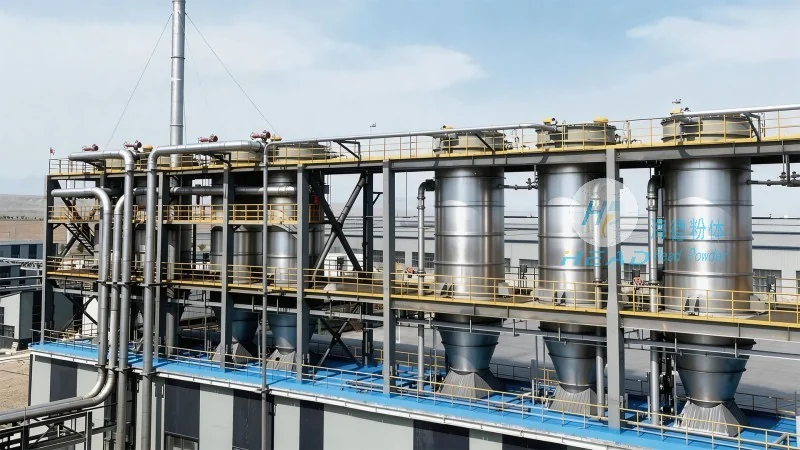
Implementing pneumatic conveying for hydrogen chloride transport offers several key advantages. First, it enhances safety by eliminating the need for open handling of the gas, reducing the risk of leaks or accidental releases. Second, the enclosed system ensures that the HCl remains under controlled conditions, preventing contamination and maintaining product quality. Third, pneumatic conveyors can handle varying flow rates and material consistencies, providing flexibility in production processes. Additionally, the technology reduces labor costs by automating material movement and minimizing the need for manual handling of hazardous materials.
Technical Considerations for HCl Pneumatic Conveying
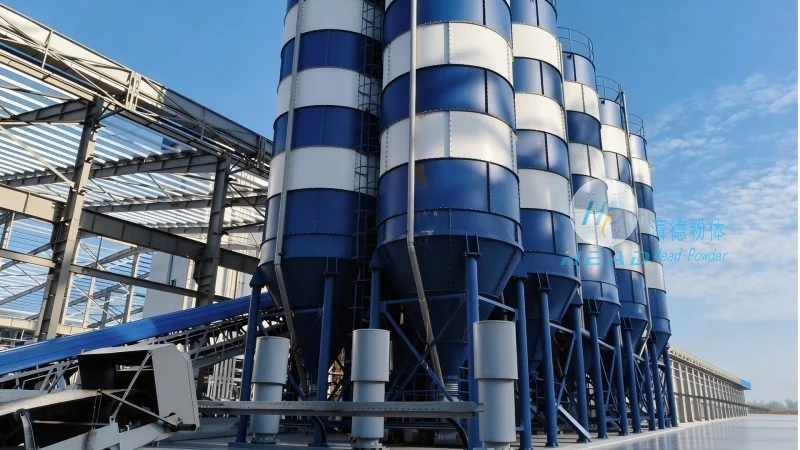
When designing a pneumatic conveying system for hydrogen chloride, several technical factors must be carefully considered. Material selection is paramount, as the system components must resist corrosion from HCl and other aggressive chemicals. Stainless steel, particularly 316L, is commonly used for pipelines, valves, and other wetted parts due to its superior corrosion resistance. The system must also be equipped with proper ventilation and gas detection systems to ensure operator safety. Additionally, the air compressor and filtration system must be designed to handle the corrosive nature of the gas, with regular maintenance to prevent equipment failure.
Applications in the Chemical Industry
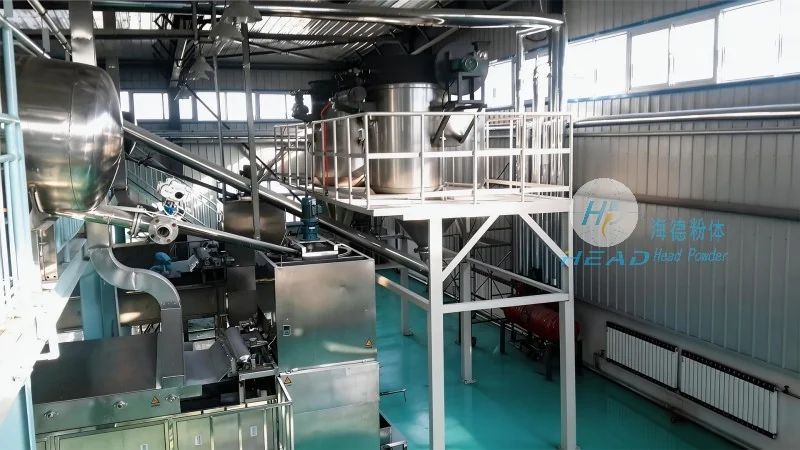
Pneumatic conveying systems are widely used in the chemical industry for transporting HCl from production facilities to storage tanks or processing units. In metal pickling operations, for example, HCl is used to remove rust and scale from steel surfaces. The pneumatic system efficiently moves the HCl from the storage tank to the pickling bath, ensuring a consistent supply of the chemical. Similarly, in chemical synthesis, HCl is used as a reactant in various processes, and the conveying system ensures that the material is delivered to the reaction vessel under controlled conditions. The reliability of pneumatic conveying in these applications has made it a preferred method for many chemical manufacturers.
Conclusion
HeadPowder, with its expertise in engineering and material handling, provides comprehensive solutions for pneumatic conveying in hydrogen chloride transport. By leveraging advanced technology and adhering to strict safety standards, the company ensures that its systems deliver efficient, reliable, and safe operation. For industries dealing with corrosive and hazardous materials, pneumatic conveying remains a critical technology, and companies like HeadPowder play a vital role in advancing these solutions to meet modern industrial demands.