Clay sand material conveying lines are essential equipment in various industrial processes, particularly in foundries and construction material production. These systems are designed to efficiently transport clay sand, a critical raw material used in sand casting and other applications. Understanding the working principle and key features of such conveying lines is crucial for optimizing material handling operations and ensuring consistent production quality.
Working Principle of Clay Sand Material Conveying Lines
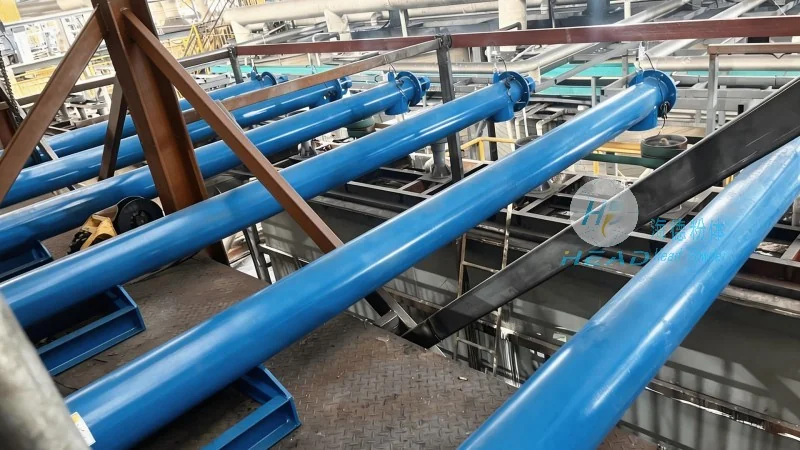
The operation of clay sand material conveying lines typically involves several interconnected components working in tandem to move the material from the source to the destination. The core components include a feeding mechanism, a conveyor system (such as belt conveyors, screw conveyors, or pneumatic conveyors), and a control system. The feeding mechanism ensures a steady supply of clay sand into the conveyor, while the conveyor system transports the material through a series of segments or stages. The control system monitors and regulates the flow rate, speed, and direction of the material to maintain optimal performance.
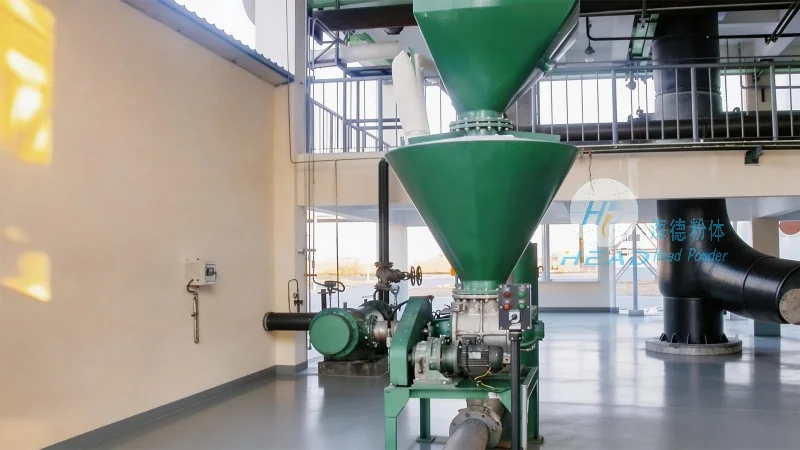
In many systems, the conveying process begins with the raw clay sand being fed into a hopper or storage bin. From there, the material is transferred to the conveyor via a feeder, which may be a rotary valve or a screw feeder. The conveyor then moves the clay sand through the pipeline or along the belt, depending on the type of conveyor used. For example, a belt conveyor uses a continuous belt to transport the material, while a screw conveyor employs a rotating screw to push the material forward. Pneumatic conveyors, on the other hand, use air pressure to transport the material through a pipeline, which is particularly effective for fine or dusty materials like clay sand.
Key Features of Clay Sand Material Conveying Lines
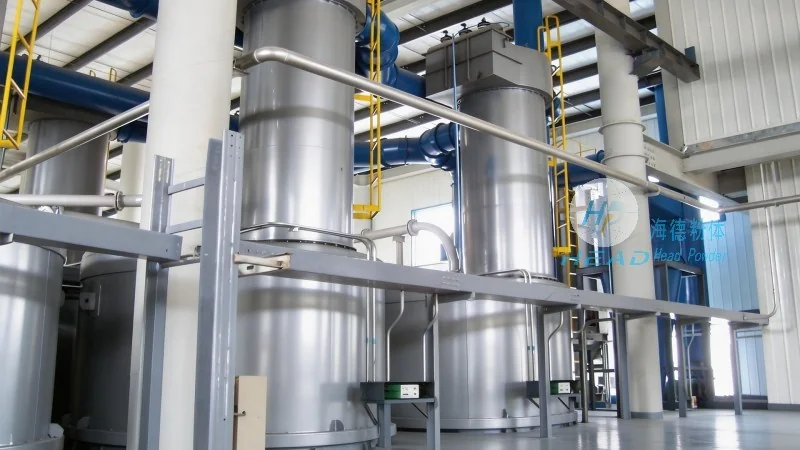
Clay sand material conveying lines are characterized by several key features that enhance their functionality and efficiency. One of the primary features is their ability to handle abrasive and heavy materials, which is essential for clay sand, as it can be coarse and contain impurities. The equipment is designed with durable materials, such as stainless steel or high-grade alloys, to withstand the wear and tear caused by the material. Additionally, these conveying lines often incorporate features like adjustable speed controls, which allow operators to regulate the flow rate based on production demands.
Another important feature is the integration of dust control mechanisms. Clay sand can generate significant dust during the conveying process, which poses health and safety risks. Many conveying lines are equipped with dust collection systems, such as cyclones or bag filters, to capture and remove airborne particles. This not only improves workplace safety but also helps maintain the quality of the clay sand by preventing contamination from dust. Furthermore, the conveying lines may include cleaning and maintenance features, such as removable components or automatic lubrication systems, to ensure long-term reliability and minimal downtime.
Application and Benefits in Industrial Settings
Clay sand material conveying lines are widely used in industries such as foundry production, where they are critical for transporting sand molds and cores. In construction material manufacturing, these systems are used to move clay sand for the production of bricks, tiles, and other building materials. The benefits of using such conveying lines include improved material handling efficiency, reduced labor costs, and enhanced safety due to automated operations. By streamlining the movement of clay sand, these systems help manufacturers achieve higher production throughput and maintain consistent product quality.
About Shandong HeadPowder Engineering Co., Ltd.
Shandong HeadPowder Engineering Co., Ltd. is a leading manufacturer of industrial conveying equipment, specializing in solutions for clay sand and other bulk materials. With a focus on innovation and quality, the company has developed advanced clay sand material conveying lines that meet the demands of modern industrial applications. HeadPowder's products are designed to provide reliable, efficient, and cost-effective material handling solutions, helping clients optimize their operations and improve overall productivity. The company's headquarters is located in Shandong, China, where it continues to advance its technology and expand its market presence.




