Embolic material handling systems are specialized equipment designed to transport materials efficiently and safely in industrial settings. Understanding the working principle and key features of such systems is crucial for optimizing operational efficiency and ensuring compliance with safety standards. This article provides an in-depth look at the mechanisms behind embolism-type material transport systems, highlighting their design, functionality, and advantages.
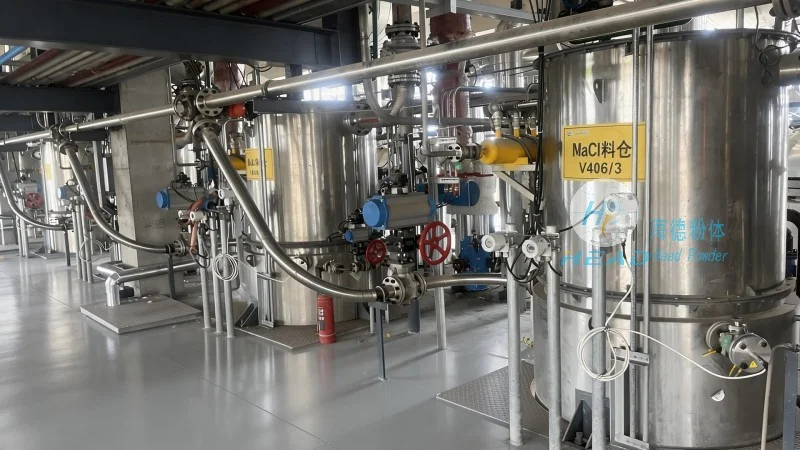
Introduction to Embolism-Type Material Handling Systems
Shandong HeadPowder Engineering Co., Ltd., a leading manufacturer based in China, specializes in the development and production of advanced material handling solutions. The company's embolism-type material transport systems are engineered to address the unique challenges of material movement in various industrial applications. These systems are designed to minimize material damage, reduce operational costs, and enhance overall productivity. By integrating innovative technologies, the systems offer reliable performance and durability, making them suitable for a wide range of industries.
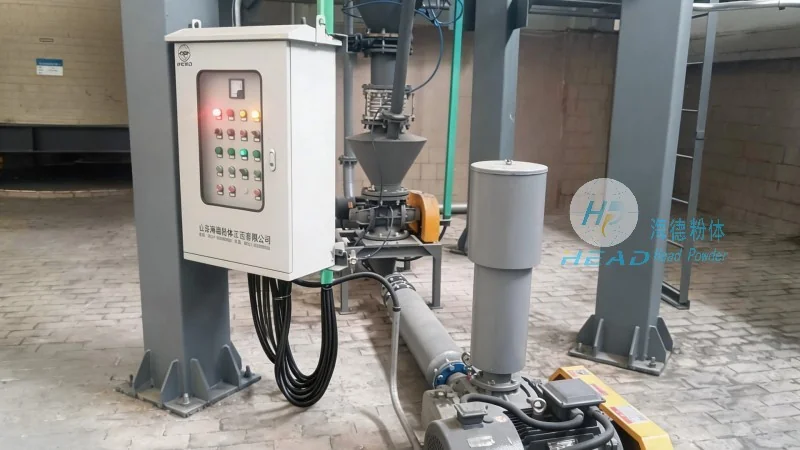
The Working Principle of Embolism-Type Material Handling Equipment
The core of an embolism-type material handling system lies in its mechanism for transporting materials. Typically, these systems utilize a combination of mechanical components, such as conveyor belts, rollers, and control mechanisms, to move materials from one location to another. The process begins with the loading of materials into the system, where they are then conveyed through a series of channels or pathways. The system's design ensures that materials are moved smoothly and without interruption, minimizing the risk of blockages or jams. Advanced control systems are integrated to monitor the flow of materials, adjusting the speed and direction as needed to maintain optimal performance. This automated approach not only enhances efficiency but also reduces the need for manual intervention, thereby improving safety and reducing labor costs.
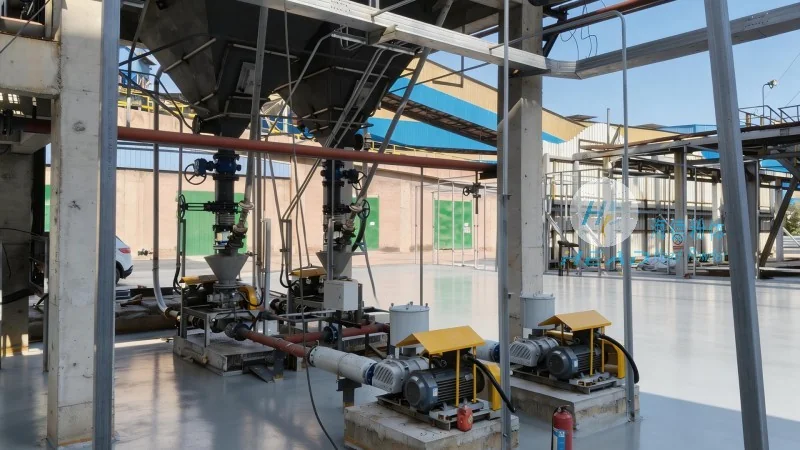
Key Features and Advantages of Embolism-Type Material Handling Systems
Embolic material handling systems from Shandong HeadPowder Engineering Co., Ltd. are characterized by several key features that set them apart from conventional transport solutions. One of the primary advantages is their ability to handle a wide variety of materials, including powders, granules, and bulk materials, with minimal degradation. The systems are equipped with adjustable speed controls, allowing operators to customize the transport rate according to specific requirements. This flexibility is particularly beneficial in applications where material properties vary or where different processing stages demand different handling speeds. Additionally, the systems incorporate robust safety features, such as emergency stop buttons and overload protection, to prevent accidents and ensure operator safety. The use of high-quality materials in the construction of these systems ensures long-term durability and resistance to wear and tear, reducing maintenance costs over time.
Application and Operational Benefits
The embolism-type material handling systems are widely used in industries such as pharmaceuticals, food processing, and chemical manufacturing, where the handling of sensitive materials requires precision and reliability. In pharmaceutical applications, for example, these systems help maintain the sterility and purity of active ingredients, ensuring compliance with regulatory standards. In food processing, the systems are designed to handle perishable products while maintaining hygiene standards. The operational benefits of these systems extend beyond material transport; they also contribute to improved workflow efficiency and reduced downtime. By streamlining the material handling process, companies can achieve higher throughput and better resource utilization, ultimately leading to increased profitability.
Conclusion and Company Overview
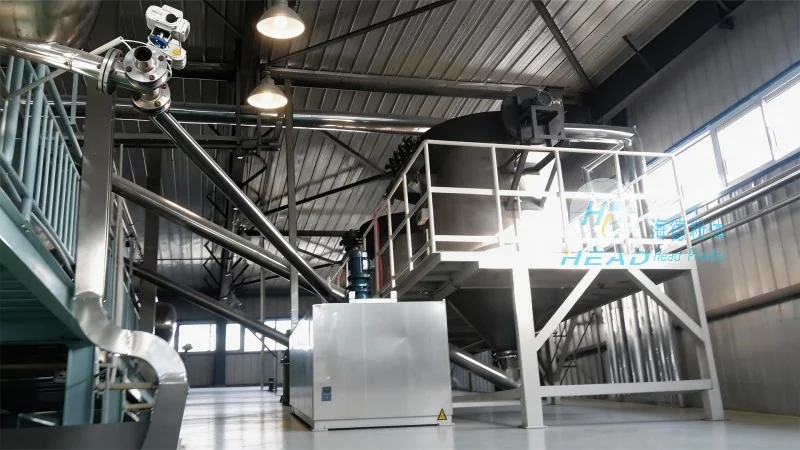
Shandong HeadPowder Engineering Co., Ltd. continues to innovate in the field of material handling technology, offering embolism-type material transport systems that combine advanced engineering with practical application. The company's commitment to quality and customer satisfaction is reflected in the design and performance of its products. With a strong presence in China and a growing international market, the company is well-positioned to meet the evolving needs of industries seeking efficient and reliable material handling solutions. The working principle and features of these systems underscore their effectiveness in enhancing operational efficiency and safety, making them an essential component of modern industrial processes.




