Understanding the design and operation of pneumatic conveying equipment for mineral powders is crucial for industries that rely on efficient and reliable powder handling solutions. This article provides a detailed overview of the structure, working principles, and key components of such systems, with a focus on the expertise of Shandong HeadPowder Engineering Co., Ltd., a leading manufacturer based in China.
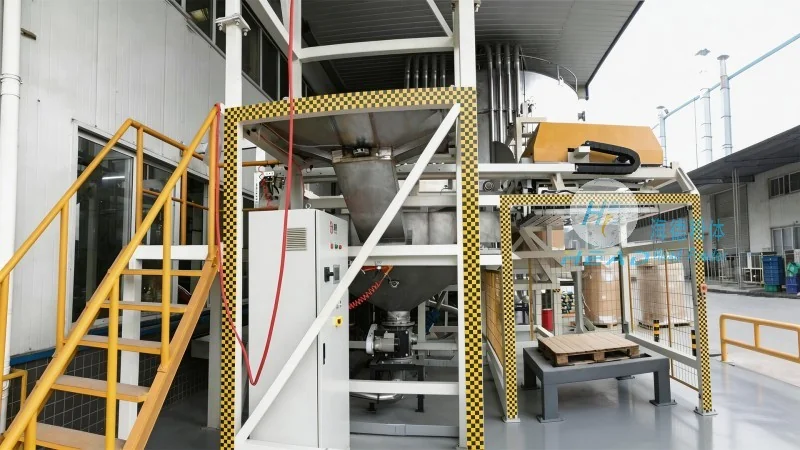
What is Pneumatic Conveying Equipment for Mineral Powders?
Pneumatic conveying equipment, also known as powder pneumatic transport systems, is a technology used to transport dry powders and granular materials through a pipeline using compressed air or other gas streams. In the context of mineral powders, these systems are specifically designed to handle materials like ores, coal, cement, and other industrial powders that require precise and controlled transport from one location to another. The primary goal is to achieve efficient material transfer while minimizing product degradation, contamination, and energy consumption.
Key Structural Components of Pneumatic Conveying Systems
The structure of a typical pneumatic conveying system for mineral powders consists of several interconnected components that work in harmony to achieve the desired transport. The main components include:
- Feed Hopper and Metering Device: This component is responsible for storing the mineral powder and controlling the flow rate into the system. The hopper ensures a consistent supply of material, while the metering device (such as a rotary valve or screw feeder) regulates the amount of powder entering the pipeline, preventing overloading and ensuring smooth operation.
- Air Supply System: Compressed air or gas is supplied to the system through a compressor, air dryer, and filter. The air supply system provides the necessary pressure and volume to create the gas flow that propels the powder particles through the pipeline. The quality of the air is critical, as contaminants can damage equipment or affect the purity of the transported material.
- Pipeline and Conveying Tubes: The pipeline is the main conduit for transporting the powder and air mixture. It is typically made of materials like stainless steel, PVC, or plastic, depending on the nature of the mineral powder and the operating conditions. The design of the pipeline, including bends, elbows, and straight sections, is optimized to minimize pressure drop and ensure efficient flow.
- Conveying Nozzles and Air-Liquid Separators: Nozzles are used to introduce the powder into the pipeline at the correct angle and velocity, ensuring proper mixing with the air. Air-liquid separators (or dust collectors) are installed at the end of the pipeline to separate the powder from the air stream, allowing the powder to be discharged into a collection bin while the air is either recirculated or vented.
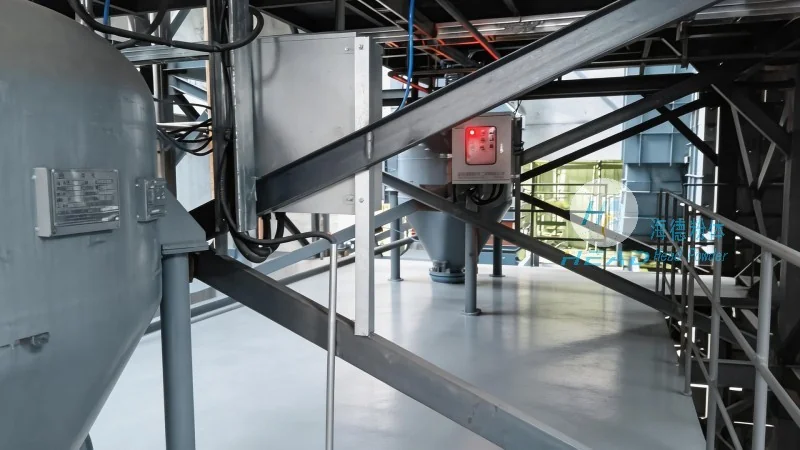
- Control and Monitoring Systems: Modern pneumatic conveying systems are equipped with control panels and sensors that monitor parameters such as pressure, flow rate, and temperature. These systems allow operators to adjust the settings in real-time, ensuring optimal performance and preventing issues like blockages or overpressure.
Working Principle of Pneumatic Conveying for Mineral Powders
The working principle of a pneumatic conveying system for mineral powders is based on the creation of a gas-solid flow within the pipeline. The process can be categorized into two main types: dilute-phase and dense-phase conveying, each with distinct characteristics and applications.
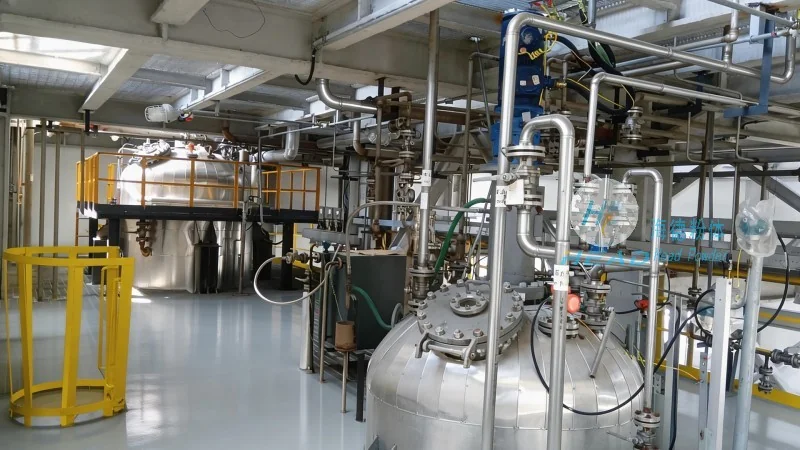
In dilute-phase conveying, the powder is suspended in the air stream as a fine mist or cloud, with a low solid concentration (typically less than 10% by volume). This method is suitable for long-distance transport and is commonly used for materials like cement or fine powders. The air velocity is high enough to keep the particles suspended, and the system operates at relatively low pressure.
In dense-phase conveying, the powder is conveyed in a more compact form, with a higher solid concentration (typically 10-50% by volume). This method is ideal for handling abrasive or sensitive materials, as it reduces particle impact and wear on the pipeline. Dense-phase systems often use lower air velocities and higher pressures compared to dilute-phase systems.
The operation begins with the mineral powder being fed into the pipeline from the hopper. The compressed air is introduced at the inlet, creating a high-velocity air stream that entrains the powder particles. As the mixture travels through the pipeline, the air and powder are separated at the discharge point using a separator. The separated powder is collected in a receiving bin, while the air is either filtered and recirculated or vented to the atmosphere, depending on the system design.
Applications and Benefits of Pneumatic Conveying Equipment
Pneumatic conveying equipment for mineral powders is widely used in various industries, including mining, cement, chemical, and food processing. The benefits of using such systems include:
- Efficient Material Transport: Pneumatic conveying allows for the transport of mineral powders over long distances with minimal energy consumption compared to traditional methods like belt conveyors or trucks.
- Reduced Product Contamination: The enclosed pipeline system prevents contamination from external sources, ensuring the purity of the mineral powder, which is critical for applications like cement production or pharmaceuticals.
- Space-Saving Design: Unlike traditional conveyors, pneumatic systems require less floor space and can be installed in vertical or horizontal configurations, making them suitable for facilities with limited space.
- Flexibility and Versatility: Pneumatic conveying systems can be easily adapted to handle different types of mineral powders and can be integrated with other processing equipment, such as mixers or classifiers.
- Low Maintenance: With fewer moving parts compared to mechanical conveyors, pneumatic systems require less maintenance and have longer service life, reducing operational costs.
About Shandong HeadPowder Engineering Co., Ltd.
Shandong HeadPowder Engineering Co., Ltd., commonly known as HeadPowder, is a leading manufacturer of pneumatic conveying equipment for mineral powders based in China. The company specializes in the design, manufacturing, and installation of custom powder handling solutions tailored to the specific needs of its clients. HeadPowder's expertise lies in understanding the unique challenges of mineral powder transport and developing innovative solutions that enhance efficiency and reliability.
HeadPowder's facilities are located in Shandong, China, where the company leverages advanced technology and skilled engineering to produce high-quality pneumatic conveying systems. The company's products are designed to meet international standards and are used in various industries worldwide. With a commitment to quality and customer satisfaction, HeadPowder has established itself as a trusted partner for businesses seeking reliable powder handling solutions.
Conclusion
Pneumatic conveying equipment for mineral powders is a sophisticated technology that plays a vital role in modern industrial operations. By understanding the structure and working principles of these systems, industries can optimize their material handling processes, reduce costs, and improve overall efficiency. Companies like Shandong HeadPowder Engineering Co., Ltd. continue to advance the technology, providing innovative solutions that meet the evolving needs of the industry.




