

[Cornmeal Pneumatic Conveying Equipment: An Overview of Powder Handling System Structure and Working
Cornmeal, a staple ingredient in many food products, requires efficient and reliable handling systems to ensure quality and consistency. Pneumatic conveying equipment has emerged as a preferred solution for transporting cornmeal and other fine powders, offering advantages such as minimal product degradation, reduced contamination risks, and enhanced operational flexibility. This article delves into the structure and working principles of cornmeal pneumatic conveying systems, highlighting key components and their roles in ensuring effective powder transport.
Key Components of Cornmeal Pneumatic Conveying Systems
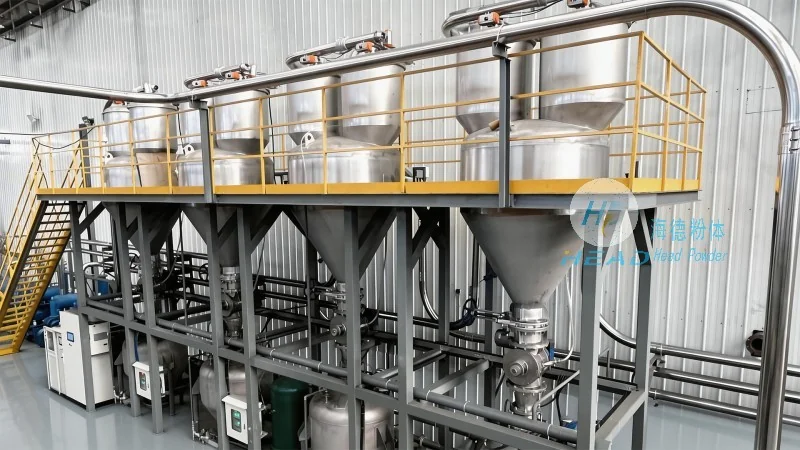
The cornmeal pneumatic conveying system typically consists of several interconnected components that work in harmony to move the material from the source to the destination. The primary components include the feed hopper, air compressor, conveying pipeline, separation and collection unit, and control system. Each component plays a critical role in the overall efficiency and performance of the system.
Feed Hopper and Material Preparation
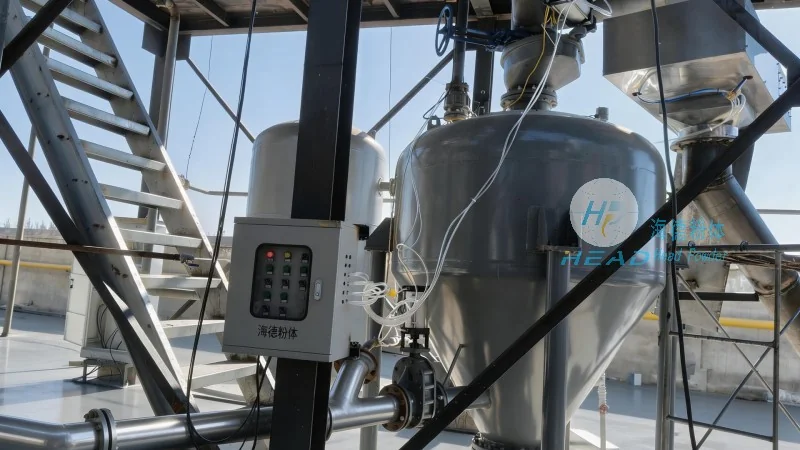
The feed hopper is the initial component where cornmeal is stored and prepared for transport. It is designed to hold a sufficient quantity of material to maintain a steady flow to the conveying system. The hopper often includes a gate or valve mechanism to regulate the discharge of cornmeal into the feeder, ensuring a controlled and consistent feed rate. This controlled feeding is crucial to prevent overloading the conveying line and to maintain the integrity of the cornmeal particles.
Air Compressor and Pressure Generation
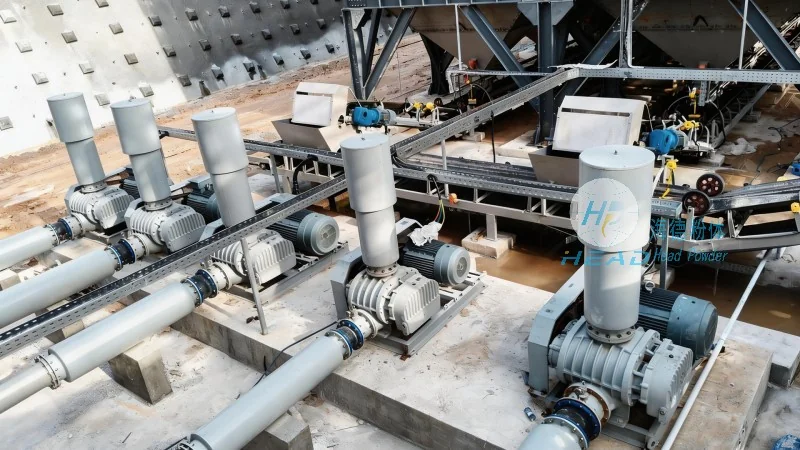
The air compressor is the heart of the pneumatic conveying system, responsible for generating the necessary air pressure to move the cornmeal through the pipeline. There are two main types of air compressors used in such systems: positive displacement and centrifugal compressors. Positive displacement compressors, such as rotary lobe or screw compressors, are commonly preferred for their ability to maintain consistent pressure and flow rates, which is essential for stable cornmeal transport. The compressor draws in ambient air and compresses it to a higher pressure, which is then supplied to the conveying line.
Conveying Pipeline and Material Transport
The conveying pipeline is the main channel through which cornmeal travels from the feed hopper to the destination. The pipeline is typically made of materials such as stainless steel or PVC, chosen for their resistance to corrosion and ability to handle fine powders without causing product contamination. The design of the pipeline, including its diameter and length, is critical to ensure efficient transport. The pipeline may include bends, elbows, or other fittings that are carefully engineered to minimize pressure losses and prevent material accumulation or blockages. The air and cornmeal mixture travels through the pipeline at a controlled velocity, with the air pressure maintaining the material in suspension and moving it to the collection point.
Separation and Collection Unit
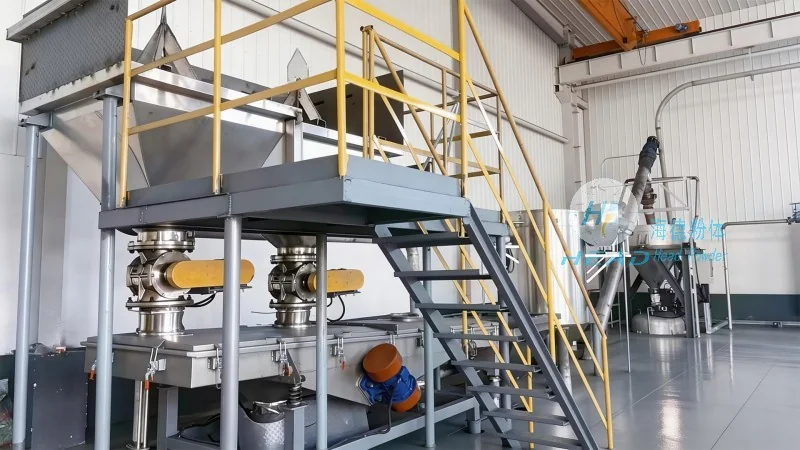
The separation and collection unit is the final component of the pneumatic conveying system, responsible for separating the cornmeal from the air and collecting the material in a storage bin or processing vessel. This unit typically includes a cyclone separator or a bag filter, which uses centrifugal force or filtration to separate the solid particles from the air stream. The separated cornmeal is then discharged into a collection bin, while the air is either vented to the atmosphere or recirculated back to the compressor, depending on the system design. The efficiency of the separation unit is crucial to minimize dust emissions and to ensure that the collected cornmeal is free from air or other contaminants.
Control System and Operational Management
The control system is responsible for monitoring and regulating the operation of the pneumatic conveying system. It includes sensors and controls that monitor parameters such as pressure, flow rate, and material level, ensuring that the system operates within safe and efficient limits. The control system may also include alarms and safety features to prevent overpressure or other operational issues. By providing real-time monitoring and control, the system ensures consistent performance and helps to prevent downtime or product quality issues.
Advantages of Cornmeal Pneumatic Conveying Equipment
Compared to traditional mechanical conveying systems, cornmeal pneumatic conveying offers several advantages that make it a preferred choice for many industries. One of the key advantages is the ability to handle fine powders without causing product degradation or contamination. The enclosed system minimizes exposure to external elements, reducing the risk of moisture absorption or contamination from dust or other particles. Additionally, pneumatic conveying systems can transport cornmeal over long distances with minimal pressure losses, making them suitable for large-scale operations. The flexibility of the system allows for easy integration with other processing equipment, such as mixers or extruders, and can be adjusted to accommodate varying production rates.
Shandong HeadPowder Engineering Co., Ltd. and Pneumatic Conveying Solutions
Shandong HeadPowder Engineering Co., Ltd., a leading manufacturer of powder handling equipment, specializes in designing and manufacturing cornmeal pneumatic conveying systems tailored to the specific needs of food processing industries. The company's expertise lies in understanding the unique challenges of handling fine powders like cornmeal, and developing solutions that ensure efficient, reliable, and safe transport. With a focus on quality and innovation, HeadPowder provides customized systems that meet the stringent requirements of food safety regulations and enhance overall operational efficiency. The company's equipment is designed to minimize product loss, reduce energy consumption, and provide long-term durability, making it a trusted partner for businesses in the cornmeal and food processing sectors.
Conclusion
Cornmeal pneumatic conveying equipment represents a sophisticated solution for the efficient handling of fine powders, offering significant advantages over traditional methods. The structure and working principles of these systems, including the feed hopper, air compressor, conveying pipeline, separation unit, and control system, work together to ensure reliable and consistent transport of cornmeal. Companies like Shandong HeadPowder Engineering Co., Ltd. play a crucial role in providing advanced pneumatic conveying solutions that meet the demands of modern food processing operations, ensuring product quality, safety, and operational efficiency. As the food industry continues to evolve, the importance of effective powder handling systems will only grow, making cornmeal pneumatic conveying an essential technology for businesses seeking to optimize their production processes.