For those in the agricultural processing industry, especially those handling oat products, understanding the mechanics and design of pneumatic conveying systems is crucial. This article delves into what an oat pneumatic conveyor is and the underlying design principles that make such systems effective for transporting oats and related materials.
What is an Oat Pneumatic Conveyor?
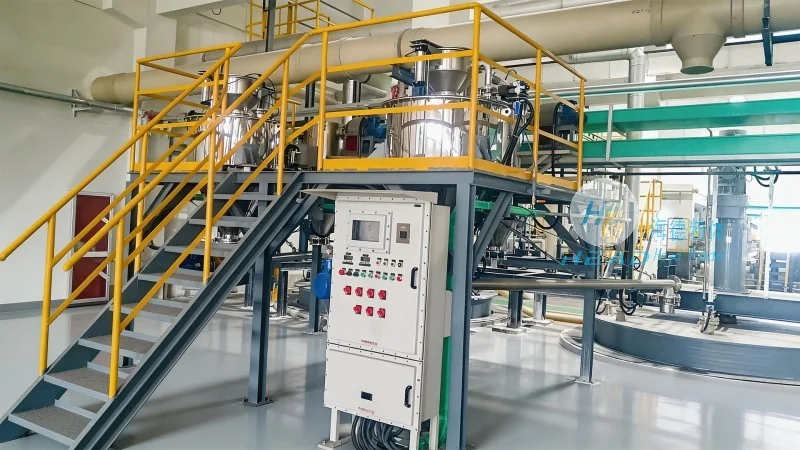
An oat pneumatic conveyor is a type of industrial equipment used to transport oats and other bulk materials through a pipeline using air pressure. Unlike traditional mechanical conveyors, which rely on belts or chains, pneumatic systems utilize compressed air to move materials, making them ideal for applications where dust control, minimal product damage, and flexibility are required. These systems are commonly used in oat processing facilities for tasks such as moving raw oats from storage to processing equipment, transporting finished oat products to packaging lines, or transferring byproducts like bran or hulls.
Design Principles of Oat Pneumatic Conveying Systems
The design of an oat pneumatic conveyor is based on several key principles to ensure efficient and reliable operation. The first principle is the selection of the appropriate conveying method, which can be either dilute-phase or dense-phase. Dilute-phase systems use low air-to-material ratios, moving material in a suspended state, while dense-phase systems use higher air-to-material ratios, pushing material in a plug flow. The choice between these methods depends on the specific characteristics of the oat product, such as particle size, moisture content, and the distance to be conveyed. For oat processing, dilute-phase systems are often preferred for short to medium distances due to their lower energy consumption and simpler design, whereas dense-phase systems may be used for longer distances or when handling more delicate oat varieties to prevent breakage.
A second critical design principle is the air flow rate and pressure. The air velocity must be sufficient to keep the oat particles suspended in the air stream but not so high as to cause excessive wear on the system components or damage to the oats. The pressure required is determined by the system's length, the height of the vertical lift, and the density of the oat material. Proper calculation of these parameters ensures that the system operates within its optimal performance range, minimizing energy waste and maximizing material throughput.
Key Components of an Oat Pneumatic Conveyor
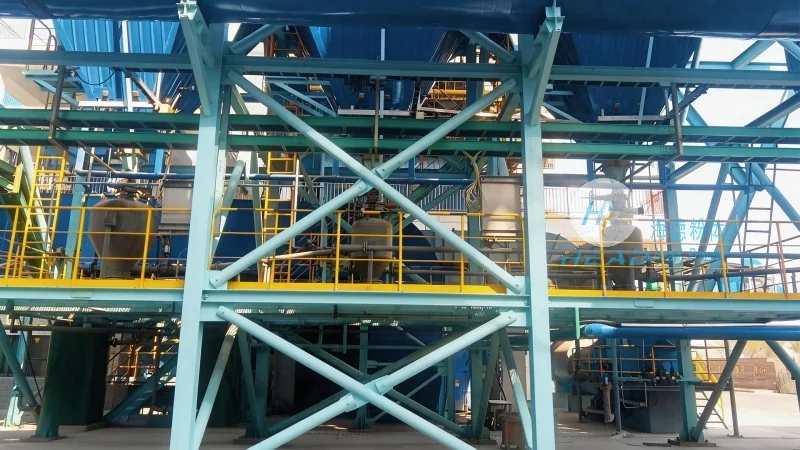
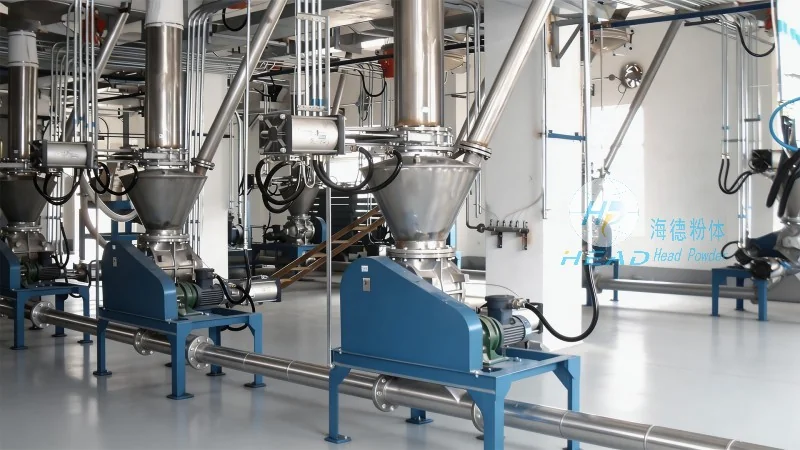
Effective oat pneumatic conveying systems consist of several key components, each playing a vital role in the overall operation. The primary components include the hopper, which holds the raw oats and provides a controlled feed to the system; the air compressor, which generates the necessary pressure to move the material; the pipeline, which transports the oats and air mixture; and the discharge device, which releases the material at the destination. Additionally, systems may include filters to remove dust and debris from the air stream, and cyclones or separators to separate the oats from the air before the air is recirculated or vented. These components are designed to work together seamlessly, ensuring that the oat material is transported efficiently and with minimal loss or degradation.
Advantages of Using Oat Pneumatic Conveyors
Implementing an oat pneumatic conveyor offers several advantages over traditional conveying methods. One of the most significant benefits is the ability to control dust and prevent contamination, which is essential in food processing environments where hygiene is paramount. Pneumatic systems also provide a more hygienic and enclosed environment, reducing the risk of cross-contamination between different batches of oats. Furthermore, these systems are highly flexible, allowing for easy reconfiguration or expansion as processing needs change. They can handle a wide range of oat products, from whole oats to ground oatmeal, and can be integrated with other processing equipment without disrupting the overall workflow. The energy efficiency of modern pneumatic systems also contributes to cost savings over time, making them a practical choice for oat processing facilities.
Considerations for Design and Installation
When designing and installing an oat pneumatic conveyor, several factors must be carefully considered to ensure optimal performance. The first consideration is the material characteristics of the oats, including particle size distribution, moisture content, and bulk density. These factors affect the air flow requirements and the type of conveying system needed. The second consideration is the distance and elevation changes between the source and destination of the oats. Longer distances or significant vertical lifts may require more powerful air compressors or a combination of dilute and dense-phase systems. The third consideration is the space constraints and layout of the processing facility. Pneumatic systems are more compact than traditional conveyors, allowing for better use of available space, but proper planning is still necessary to ensure smooth material flow and easy maintenance access.
Another important consideration is the maintenance and operational costs. Pneumatic systems require regular maintenance of components such as air filters, cyclones, and pipeline seals to prevent wear and tear. However, the lower maintenance costs compared to mechanical systems often outweigh the initial investment. Additionally, the energy efficiency of these systems contributes to long-term cost savings. Proper training of personnel on the operation and maintenance of the system is also crucial to ensure its longevity and optimal performance.
Conclusion
In conclusion, an oat pneumatic conveyor is a sophisticated and efficient system designed to transport oats and related materials with precision and care. By understanding the design principles and key components of these systems, oat processing facilities can improve their operational efficiency, maintain product quality, and reduce costs. As a leading provider in the industry, Shandong HeadPowder Engineering Co., Ltd., based in Shandong, China, specializes in the design and manufacturing of such systems, offering tailored solutions to meet the specific needs of oat processing operations. Whether for short-distance transport or large-scale processing, pneumatic conveying systems provide a reliable and effective solution for moving oats through the production process.




