When it comes to material handling in industrial settings, efficient and reliable transportation of bulk materials is crucial. One of the most effective methods for moving materials like sand is through pneumatic conveying systems. In this article, we will explore what a sand pneumatic conveying system is and delve into the fundamental design principles that underpin its operation. The information provided is brought to you by Shandong HeadPowder Engineering Co., Ltd., a leading provider of industrial material handling solutions based in China.
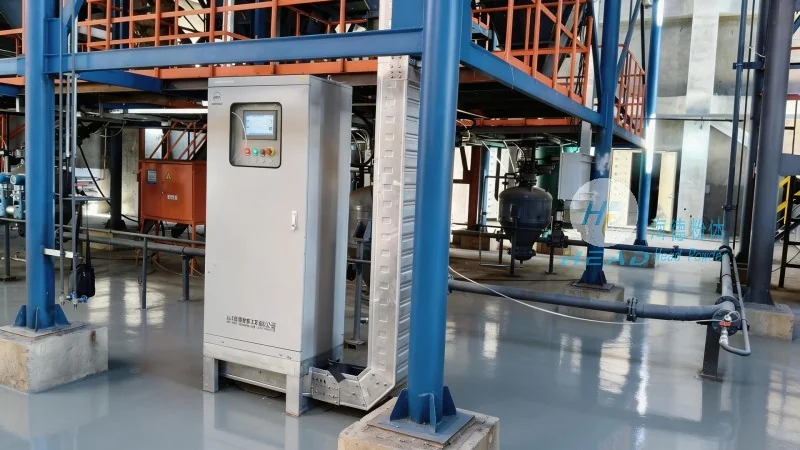
Introduction to Sand Pneumatic Conveying Systems
A sand pneumatic conveying system is a type of equipment used to transport sand and other granular materials through a pipeline using air or other gases as the conveying medium. This method offers several advantages over traditional mechanical conveying systems, such as reduced maintenance, lower energy consumption, and the ability to handle materials in a dust-free environment. The system typically consists of a hopper for material storage, a blower or compressor to generate the air flow, a pipeline network, and a discharge point where the material is released. The entire system is designed to ensure efficient and safe material transport from the source to the destination.
Key Components of a Sand Pneumatic Conveying System
Understanding the design of a sand pneumatic conveying system requires knowledge of its key components. Each component plays a vital role in the overall operation and efficiency of the system. The primary components include:
1. Material Hopper: The hopper is the initial storage container where sand is loaded before being conveyed. It is designed to hold a sufficient quantity of material to ensure continuous operation without frequent refilling. The hopper is usually equipped with a discharge valve that allows material to flow into the pipeline when air pressure is applied.
2. Air Supply Unit: This component generates the necessary air pressure or vacuum to move the sand through the pipeline. It can be a blower, a compressor, or a vacuum pump, depending on the system's requirements. The air supply unit is responsible for providing the force needed to overcome the resistance of the material and the pipeline, ensuring smooth and consistent material flow.
3. Pipeline Network: The pipeline is the main conduit through which the sand travels. It is typically made of materials like stainless steel or plastic, chosen for their durability and resistance to corrosion from the sand. The pipeline is designed with appropriate bends and elbows to guide the material along the desired path. The diameter and length of the pipeline are critical factors that affect the system's performance and efficiency.
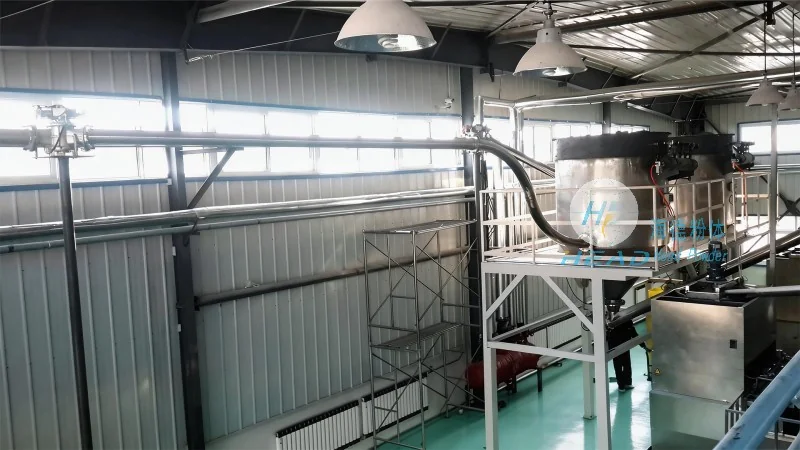
4. Conveying Nozzles and Check Valves: These components are installed along the pipeline to control the flow of material and air. Nozzles are used to introduce the sand into the pipeline at the correct velocity, while check valves prevent backflow and ensure the material moves in the intended direction. Proper placement of these components is essential for maintaining the system's efficiency and preventing blockages.
Design Principles for Efficient Sand Conveying
The design of a sand pneumatic conveying system is based on several key principles that ensure optimal performance. These principles are tailored to the specific characteristics of the material being conveyed, such as its particle size, density, and flowability. The main design principles include:
1. Velocity and Pressure: The system is designed to maintain a specific air velocity within the pipeline. This velocity is crucial for preventing material settling or blockages. The pressure generated by the air supply unit must be sufficient to overcome the frictional resistance of the material and the pipeline, ensuring that the sand moves smoothly and continuously.
2. Material Characteristics: The design takes into account the physical properties of the sand, such as its particle size distribution, moisture content, and bulk density. These factors influence the required air velocity and pressure to achieve efficient conveying. For example, finer sand particles may require higher air velocities to prevent clogging, while coarser particles may need lower velocities to maintain stability.
3. Pipeline Sizing and Layout: The diameter and length of the pipeline are carefully calculated based on the material flow rate and the required air velocity. The layout of the pipeline, including the number and placement of bends and elbows, is optimized to minimize pressure losses and maintain consistent material flow. Proper sizing and layout are essential for preventing energy waste and ensuring the system operates within its design parameters.
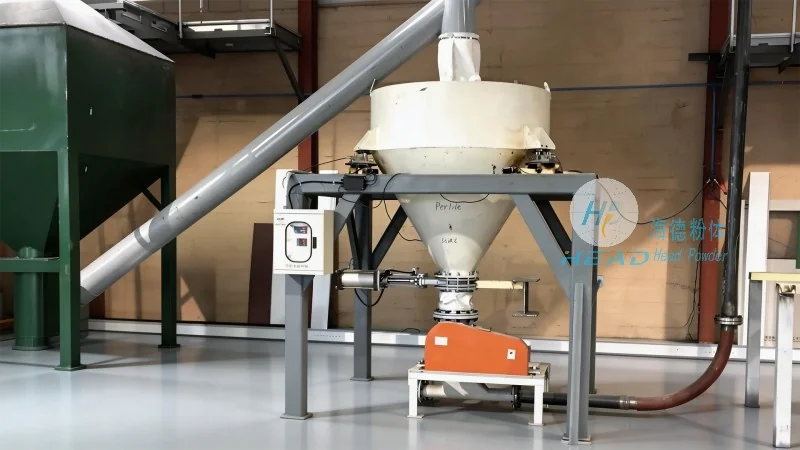
4. System Integration and Control: A well-designed sand pneumatic conveying system integrates all components seamlessly and includes a control system to monitor and adjust the operation as needed. The control system may include sensors to measure pressure, flow rate, and material level, allowing for real-time adjustments to maintain optimal performance. This integration ensures that the system operates efficiently and reliably, minimizing downtime and maintenance requirements.
Advantages of Using a Sand Pneumatic Conveying System
Implementing a sand pneumatic conveying system offers numerous benefits for industrial applications. These advantages make it a preferred choice for many industries, including construction, mining, and manufacturing. Some of the key advantages include:
1. Efficiency and Speed: Pneumatic conveying systems can transport sand quickly and efficiently over long distances, often at higher speeds than mechanical systems. This reduces the time required for material handling and increases overall productivity.
2. Low Maintenance: Compared to mechanical conveying systems, pneumatic systems have fewer moving parts, which reduces the risk of wear and tear and lowers maintenance costs. The absence of belts, chains, or gears also minimizes the need for regular maintenance.
3. Dust-Free Operation: The enclosed pipeline design of a pneumatic system prevents dust and particles from being released into the environment, improving workplace safety and reducing the risk of respiratory issues for workers. This is particularly important when handling sand, which can be a source of dust.
4. Flexibility and Scalability: Pneumatic conveying systems can be easily modified or expanded to accommodate changes in material flow rates or processing requirements. The modular design allows for the addition of new components or the extension of the pipeline network without significant disruption to the existing system.
Applications of Sand Pneumatic Conveying Systems
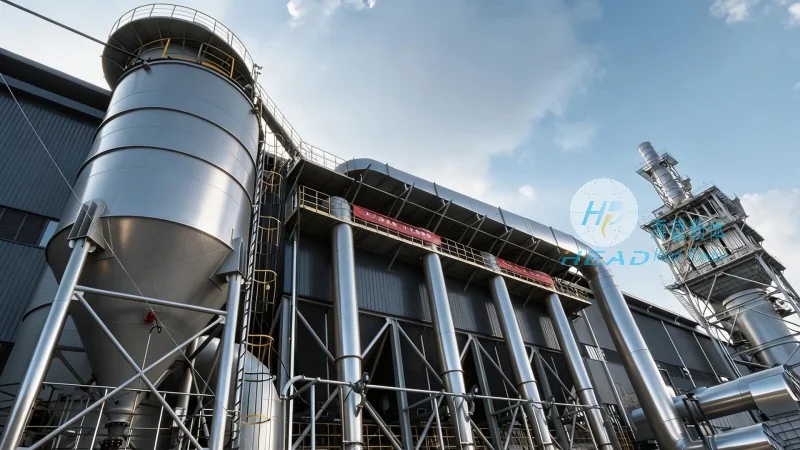
Sand pneumatic conveying systems are widely used in various industrial applications where the efficient transport of sand is required. Some common applications include:
1. Construction and Building Materials: In the construction industry, sand is a critical component in concrete and mortar production. Pneumatic conveying systems are used to transport sand from storage silos to mixing plants or job sites, ensuring a consistent supply of material.
2. Mining and Mineral Processing: In mining operations, sand and other minerals are often transported from processing plants to storage facilities or for further processing. Pneumatic systems provide a reliable and efficient method for moving these materials, especially in areas where mechanical systems may be impractical.
3. Food and Pharmaceutical Industries: Although less common for sand, pneumatic conveying systems are used in some food and pharmaceutical applications where other granular materials are handled. The dust-free operation and hygienic design of these systems make them suitable for industries with strict cleanliness requirements.
Conclusion
A sand pneumatic conveying system is a sophisticated and efficient method for transporting sand and other granular materials in industrial settings. The design principles that govern these systems are carefully considered to ensure optimal performance, reliability, and safety. By understanding the key components and design principles, industries can select and implement the most suitable pneumatic conveying system for their specific needs. Shandong HeadPowder Engineering Co., Ltd. specializes in providing high-quality industrial material handling solutions, including sand pneumatic conveying systems, to meet the diverse needs of its clients in China and beyond.




