For industrial operations dealing with abrasive or corrosive materials, the selection of an appropriate material handling system is crucial for efficiency and longevity. One such system that has gained prominence in recent years is the ceramic pneumatic conveying line. This article aims to explain what a ceramic pneumatic conveying system is and delve into its fundamental design principles, providing insights into its functionality and application in various industrial settings.
Understanding Ceramic Pneumatic Conveying Systems
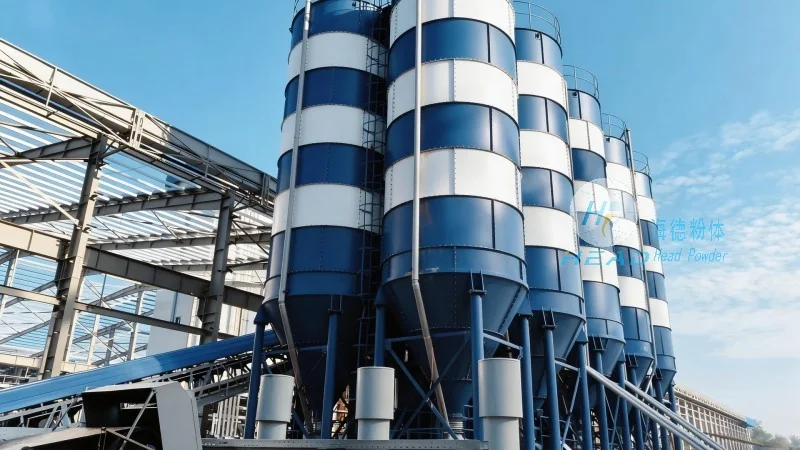
A ceramic pneumatic conveying system is a type of material handling equipment designed to transport bulk materials through a pipeline using compressed air or other gas as the conveying medium. The system utilizes a combination of pressure and vacuum to move powders, granules, or other particulate materials from one location to another. The key component that distinguishes this system from conventional pneumatic conveyors is the use of ceramic materials in its construction, which offers superior resistance to wear, corrosion, and high-temperature environments.
The primary advantage of a ceramic pneumatic conveying system lies in its ability to handle materials that are otherwise difficult to transport using traditional methods. Ceramic components, such as pipes, valves, and fittings, are engineered to withstand the abrasive nature of many industrial powders, ensuring a longer service life and reduced maintenance costs. This makes the system particularly suitable for industries dealing with materials like cement, minerals, chemicals, and food products, where material compatibility and durability are paramount.
Design Principles of Ceramic Pneumatic Conveying Systems
The design of a ceramic pneumatic conveying system is based on several critical principles that ensure efficient and reliable material transport. The first principle is the selection of appropriate ceramic materials for different components. Different types of ceramics, such as alumina, zirconia, or silicon carbide, are chosen based on the specific properties of the conveyed material, including its abrasiveness, chemical reactivity, and temperature tolerance. For instance, high-alumina ceramics are commonly used for handling abrasive powders, while corrosion-resistant ceramics are preferred for materials with acidic or alkaline properties.
The second design principle involves the configuration of the conveying line, which includes the layout of the pipeline, the placement of feeding and discharge equipment, and the selection of air movers. The system typically consists of a hopper or feeder to introduce the material into the pipeline, a blower or compressor to generate the air flow, and a receiver or silo to collect the material at the destination. The pipeline design is crucial, as it must be straight and free from sharp bends or obstructions to minimize pressure drop and prevent material blockages. The use of ceramic elbows and bends, which are designed to reduce friction and maintain material flow, is essential in maintaining the system's efficiency.
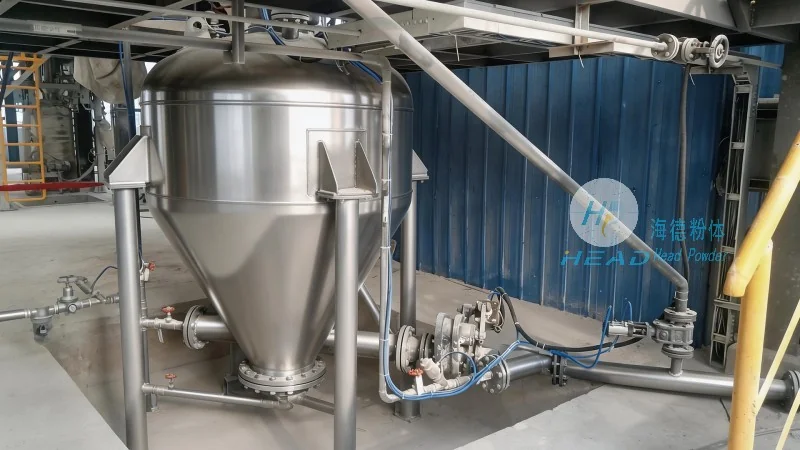
The third principle is the control of air pressure and flow rate. The system operates by creating a pressure differential between the inlet and outlet of the pipeline. The blower or compressor provides the necessary pressure to move the material, while the control valves regulate the flow rate to ensure consistent and stable transport. The pressure and flow rate are carefully calibrated based on the characteristics of the material, such as its density, particle size, and moisture content. Proper control of these parameters is vital to prevent material degradation, ensure uniform flow, and avoid system overloading.
Key Components and Their Functions
Several key components make up a ceramic pneumatic conveying system, each playing a critical role in the overall operation. The ceramic hopper or feeder is the starting point of the system, where the material is stored and introduced into the pipeline. It is designed to provide a consistent flow of material to the conveyor, preventing blockages and ensuring smooth operation. The feeder may include features such as a rotary valve or a screw feeder to control the material discharge rate.
The ceramic pipeline is the core of the conveying system, responsible for transporting the material from the feeder to the receiver. The pipeline is typically made of ceramic tubes or pipes, which are joined using ceramic fittings and flanges. The choice of pipe diameter and length is determined by the material's properties and the required conveying distance. The pipeline is often equipped with ceramic elbows and bends to change the direction of the material flow, and these components are designed to minimize pressure loss and maintain the material's integrity.
The ceramic receiver or silo is the final component of the system, where the material is collected after being transported through the pipeline. It is designed to store the material and provide a controlled discharge mechanism. The receiver may include a discharge valve or a rotary valve to regulate the material flow out of the system. The use of ceramic materials in the receiver ensures that it can withstand the abrasive nature of the material and maintain its structural integrity over time.
Advantages and Applications
Ceramic pneumatic conveying systems offer several advantages over traditional material handling methods. The primary advantage is their ability to handle abrasive and corrosive materials without significant wear or degradation. This results in lower maintenance costs and longer service life compared to systems using metal components. Additionally, the system is compact and can be installed in confined spaces, making it suitable for applications where space is limited. The use of compressed air as the conveying medium also allows for easy integration with other industrial processes, such as dust collection or material drying.
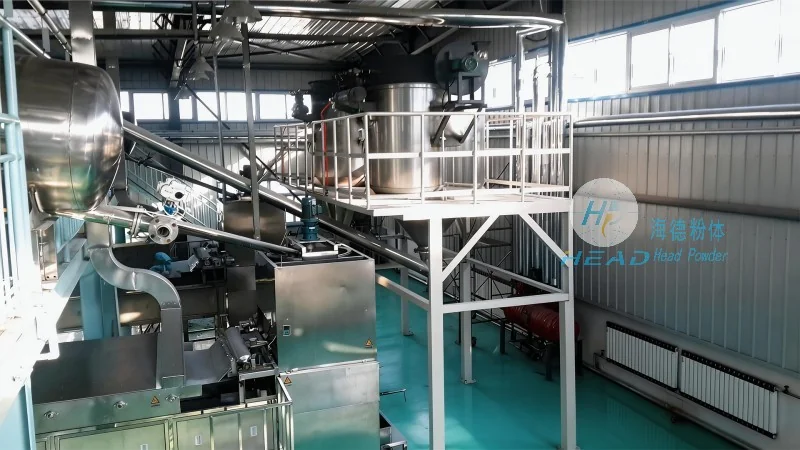
The applications of ceramic pneumatic conveying systems are diverse and span across various industries. In the cement industry, these systems are used to transport raw materials and finished products, such as clinker and cement powder. In the mining industry, they are employed to move minerals and ores from processing plants to storage facilities. The chemical industry utilizes ceramic pneumatic conveyors to handle corrosive chemicals and powders, while the food industry uses them to transport food-grade powders and granules. The versatility of the system makes it a valuable asset in any industrial setting where material transport is required.
Maintenance and Operational Considerations
Proper maintenance is essential to ensure the optimal performance and longevity of a ceramic pneumatic conveying system. Regular inspection of the ceramic components for signs of wear or damage is necessary to prevent system failures. The air mover and control valves should be checked for proper operation and adjusted as needed to maintain the required pressure and flow rate. The material feed rate should be monitored to ensure it remains consistent and does not overload the system. Additionally, the pipeline should be cleaned periodically to remove any accumulated material or debris that could affect the system's performance.
Operational considerations also include the selection of the appropriate air pressure and flow rate for the material being conveyed. Too low a pressure may result in insufficient material transport, while too high a pressure can cause excessive wear on the ceramic components and increase energy consumption. The system should be operated within its specified parameters to ensure safe and efficient operation. Regular training of operators on the proper use and maintenance of the system is also recommended to maximize its performance and lifespan.
Conclusion
Ceramic pneumatic conveying systems represent a significant advancement in material handling technology, offering a durable and efficient solution for transporting abrasive and corrosive materials. The design principles, which include the selection of appropriate ceramic materials, careful pipeline configuration, and precise control of air pressure and flow, ensure that the system operates reliably and effectively. With its ability to handle a wide range of materials and its low maintenance requirements, the ceramic pneumatic conveying system is a valuable asset for industries seeking to improve their material handling processes. As industrial demands continue to evolve, the use of such systems will likely become more prevalent, further solidifying their role in modern material handling operations.




