Understanding the design and functionality of sodium hypochlorite powder handling equipment is crucial for industries that rely on this chemical for disinfection, water treatment, and other applications. This equipment is engineered to safely and efficiently transport sodium hypochlorite, a potent oxidizing agent, from storage to point of use. The following discussion delves into the core components, operational principles, and design considerations that define such systems.
Overview of Sodium Hypochlorite Powder Handling Equipment
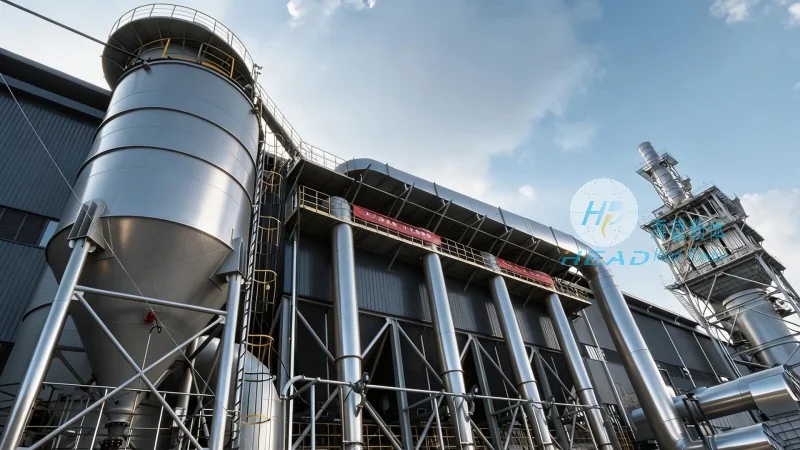
Sodium hypochlorite powder handling equipment is specialized machinery designed to manage the storage, transfer, and dispensing of sodium hypochlorite powder. This chemical, commonly used in water treatment, sanitation, and industrial processes, requires careful handling due to its reactive nature. The equipment typically includes components like hoppers, conveyor systems, and control panels to ensure safe and efficient operation. The system is engineered to maintain the chemical's integrity while minimizing exposure risks to personnel and the environment. Shandong HeadPowder Engineering Co., Ltd., a leading manufacturer in this field, specializes in designing and manufacturing such equipment to meet the diverse needs of industrial clients.
Key Design Principles for Safe and Efficient Operation
The design of sodium hypochlorite powder handling equipment is guided by several critical principles to ensure safety, reliability, and compliance with industry standards. First, the equipment must be constructed from materials resistant to corrosion and chemical attack, as sodium hypochlorite is a strong oxidizer that can degrade certain metals. Stainless steel is often used for hoppers, pipes, and valves to prevent contamination and equipment failure. Second, the system incorporates dust control measures, such as sealed hoppers and dust collection systems, to prevent inhalation of fine powder particles, which can cause respiratory issues. Third, the design emphasizes leak-proof connections and proper sealing to avoid spills and environmental contamination. Additionally, the equipment includes safety interlocks and monitoring systems to detect overpressure or temperature deviations, ensuring immediate shutdown if hazardous conditions arise.
Components and Operational Mechanisms
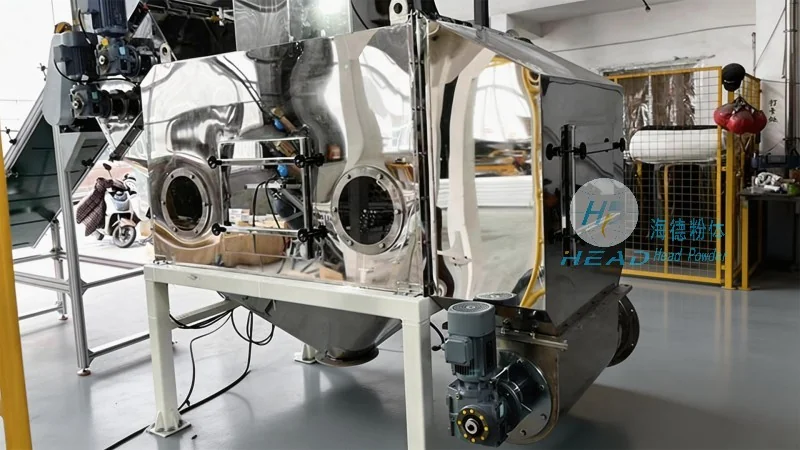
The core components of sodium hypochlorite powder handling equipment include storage hoppers, feeding mechanisms, conveyor systems, and control units. The storage hopper is designed to hold the powder in a sealed environment, preventing moisture absorption and degradation. Feeding mechanisms, such as rotary valves or screw conveyors, regulate the flow of powder from the hopper to the conveyor. The conveyor system, often a pneumatic or mechanical type, transports the powder to the dispensing point, ensuring consistent and controlled delivery. Control units manage the entire process, from hopper level monitoring to flow rate adjustment, providing real-time data and alerts for maintenance or operational adjustments.
Applications and Industry Standards
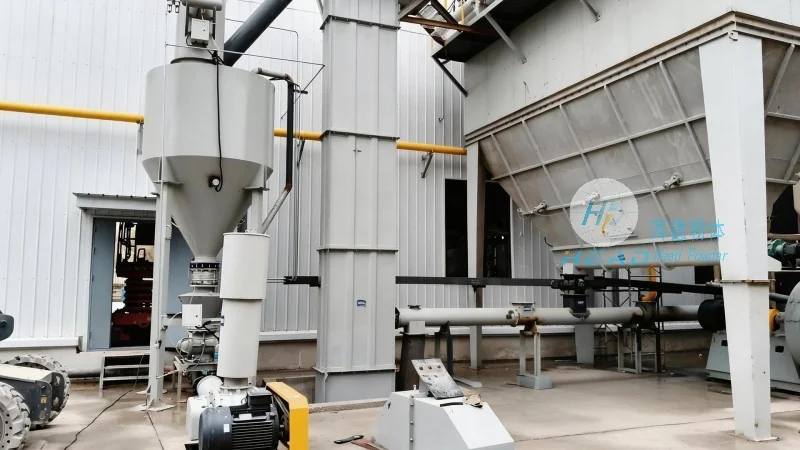
Sodium hypochlorite powder handling equipment is widely used in water treatment plants, municipal sanitation facilities, and industrial manufacturing processes. In water treatment, the equipment ensures the precise dosing of sodium hypochlorite for disinfection, maintaining water quality standards. In industrial settings, it supports processes like textile bleaching and paper production, where the chemical is used as a bleaching agent. The design of the equipment adheres to industry standards such as OSHA (Occupational Safety and Health Administration) guidelines for chemical handling and EPA (Environmental Protection Agency) regulations for environmental protection. Compliance with these standards is essential to minimize workplace hazards and environmental impact.
Maintenance and Safety Considerations
Proper maintenance is critical to the longevity and safety of sodium hypochlorite powder handling equipment. Regular inspections of components like hoppers, conveyors, and seals are necessary to detect wear or damage early. Cleaning procedures must be followed to remove residual powder and prevent buildup, which can affect flow and cause blockages. Safety protocols, including personal protective equipment (PPE) and emergency response plans, are integral to operating the equipment. Personnel must be trained on the safe handling of sodium hypochlorite and the equipment's emergency shutdown procedures. Additionally, the system should be equipped with monitoring devices to track temperature, pressure, and flow rates, ensuring that any deviations are addressed promptly.




