For battery manufacturers, the efficient and reliable handling of positive electrode material powders is a critical step in the production process. The powder conveying equipment designed specifically for this application plays a vital role in ensuring the quality and consistency of the final battery products. This article will explore the key aspects of such equipment, focusing on its design principles and the technology behind it.
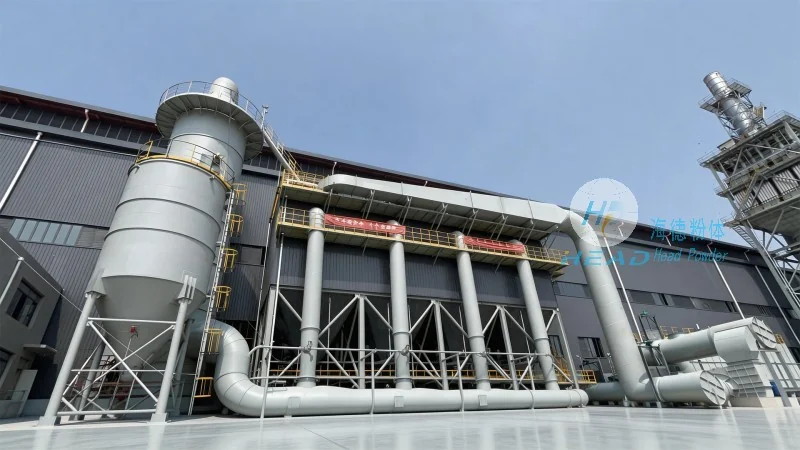
Understanding the Role of HeadPowder in Battery Material Handling
Shandong HeadPowder Engineering Co., Ltd., commonly known as HeadPowder, is a leading provider of specialized equipment for the battery industry. With a strong presence in China, particularly in Shandong, the company has established itself as a trusted partner for manufacturers seeking advanced solutions for material handling. HeadPowder's expertise lies in developing equipment that meets the stringent requirements of modern battery production, ensuring high efficiency, low contamination, and consistent performance.
Design Principles of Battery Positive Electrode Material Conveying Equipment
The design of powder conveying equipment for battery positive electrode materials is guided by several key principles aimed at optimizing performance and reliability. First, the equipment must minimize particle degradation and agglomeration during transport. This is achieved through the use of low-velocity conveying methods, such as pneumatic or mechanical systems, which reduce the impact and friction on the powder particles. Second, the design emphasizes contamination control, as even trace amounts of impurities can affect the battery's performance and lifespan. Materials used in the construction of the equipment, such as stainless steel or specialized polymers, are chosen to prevent chemical reactions with the sensitive electrode materials.
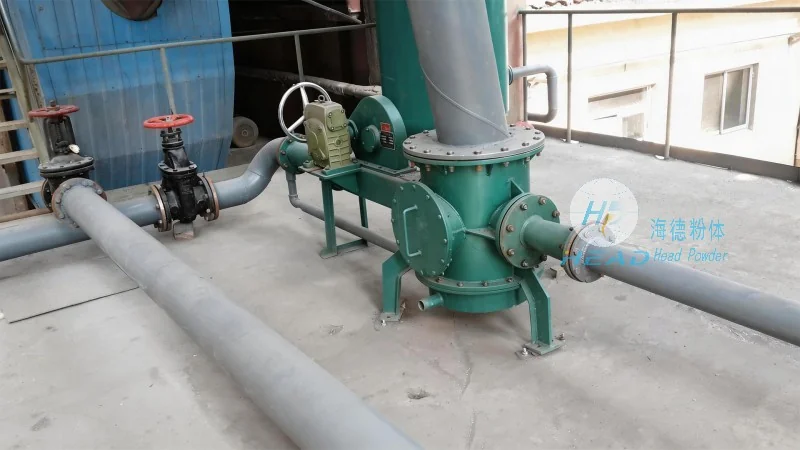
Key Components and Operational Mechanisms
Typical powder conveying systems for battery positive electrode materials consist of several key components. These include a hopper or feeder to store and feed the material, a conveying mechanism (either pneumatic or mechanical), and a control system to regulate the flow. Pneumatic conveying systems use compressed air to move the powder through a pipeline, while mechanical systems employ screws, belts, or other mechanisms to transport the material. The choice between these systems depends on factors such as material properties, production volume, and the required level of contamination control.
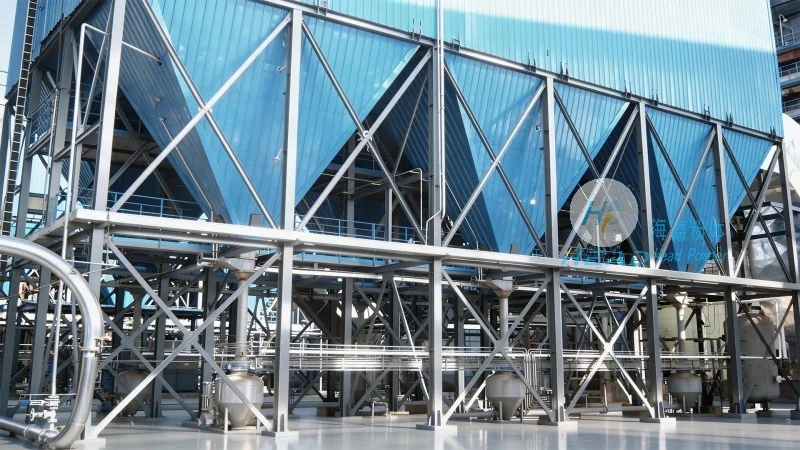
Ensuring Efficiency and Reliability in Production
Efficiency is a primary concern in battery production, and the conveying equipment must contribute to this goal by minimizing downtime and maximizing throughput. HeadPowder's equipment is designed with features that enhance operational reliability, such as self-cleaning mechanisms to prevent blockages and advanced sensors to monitor the material flow. These features help maintain consistent production rates and reduce the risk of equipment failure, which can lead to costly production delays.
Conclusion: The Importance of Specialized Conveying Solutions
In conclusion, the powder conveying equipment for battery positive electrode materials is a critical component of modern battery production. Its design principles, which prioritize material integrity, contamination control, and operational efficiency, are essential for producing high-quality batteries. Companies like Shandong HeadPowder Engineering Co., Ltd. play a vital role in providing these specialized solutions, helping manufacturers meet the demands of an evolving industry. By investing in advanced conveying equipment, battery producers can enhance their production processes and ensure the reliability of their final products.




