For manufacturers in the lithium battery industry, the efficient and reliable handling of positive and negative electrode materials is a critical factor in production efficiency and product quality. Powder conveying equipment specifically designed for these materials plays a vital role in the entire production process. This article will explore the types of equipment used for conveying lithium battery positive and negative electrode powders and delve into the design principles behind their construction.
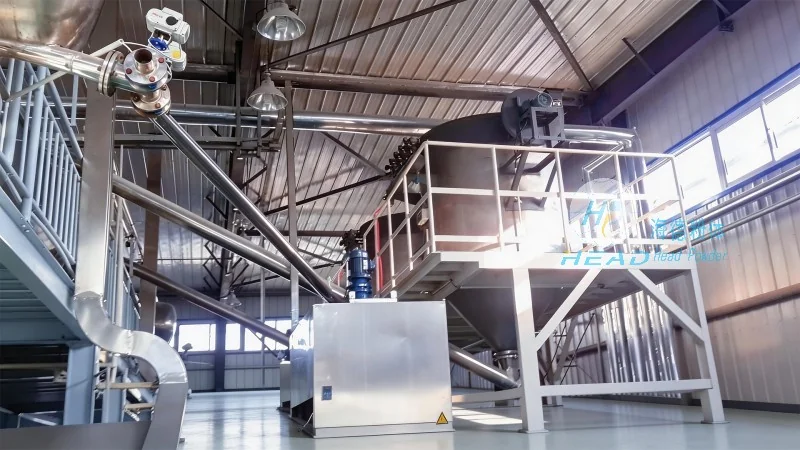
Understanding Powder Conveying Equipment for Lithium Battery Electrode Materials
HeadPowder, a leading company in the field, specializes in the research, development, and manufacturing of specialized powder handling equipment. The company, officially known as Shandong HeadPowder Engineering Co., Ltd., is headquartered in Shandong, China. Their equipment is engineered to meet the unique demands of lithium battery production, ensuring stable and efficient material transport. The primary goal of these systems is to maintain the integrity of the electrode powders, which are often sensitive to moisture, contamination, and mechanical stress during handling.
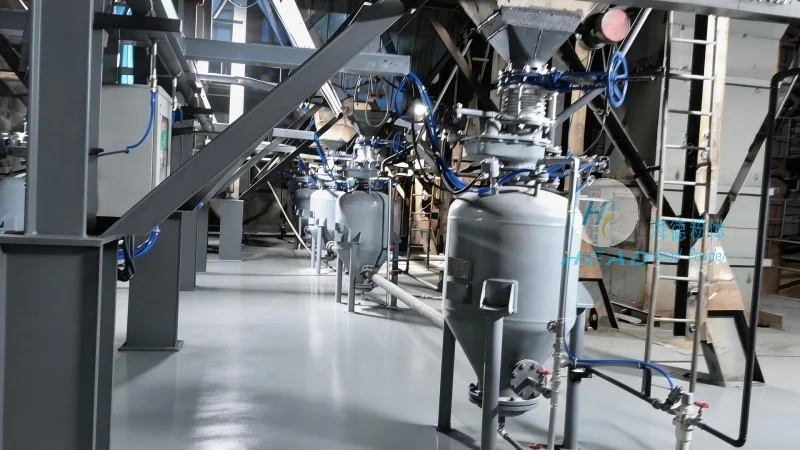
Design Principles of the Conveying Equipment
The design of lithium battery positive and negative electrode material powder conveying equipment involves several key principles to ensure optimal performance. First, the equipment must be capable of handling fine powders with high bulk density and low flowability. This often requires specialized feeding mechanisms, such as rotary valves or star feeders, to control the flow rate and prevent blockages. The conveying system itself may use pneumatic or mechanical methods. Pneumatic conveying, for example, utilizes air pressure to move powders through pipelines, which is effective for low to medium flow rates and can be integrated with dust collection systems to maintain a clean environment. Mechanical conveying, on the other hand, employs screw conveyors or belt conveyors, which are suitable for higher flow rates and more abrasive materials. The choice between these methods depends on the specific characteristics of the electrode powders and the production scale.
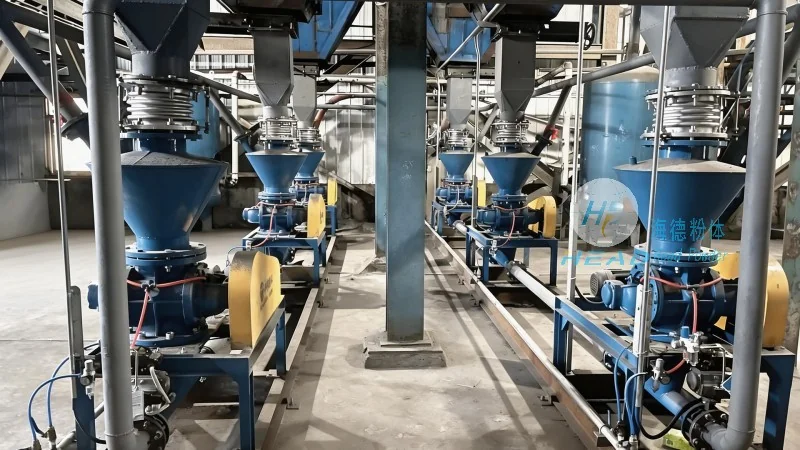
Key Components and Their Functions
Several key components are integral to the design of these powder conveying systems. The feeding unit is responsible for introducing the electrode powder into the conveying line. This component must be designed to handle the specific properties of the powder, such as its particle size distribution and moisture content. The conveying line, typically made of stainless steel or other corrosion-resistant materials, is designed to prevent material buildup and contamination. For pneumatic systems, the pipeline is often equipped with pressure regulators and filters to maintain consistent air pressure and particle size. The discharge unit, where the powder is released from the system, must be designed to prevent re-entrainment of dust and ensure a smooth transition to the next processing step. Additionally, the system may include sensors and control panels to monitor flow rates, pressure, and other critical parameters, allowing for real-time adjustments and maintenance.
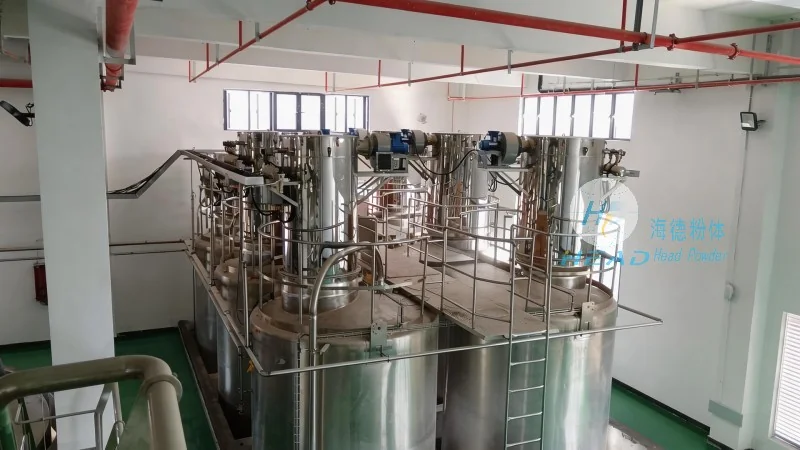
Advantages and Applications
The use of specialized powder conveying equipment for lithium battery electrode materials offers several advantages. By maintaining the purity and consistency of the powders, manufacturers can improve the performance and lifespan of the final battery products. The equipment also enhances production efficiency by reducing downtime caused by material blockages or contamination. HeadPowder's equipment is widely used in the production of lithium ion batteries, where the positive and negative electrode materials are critical to the battery's energy density and cycle life. The company's systems are designed to be scalable, from small laboratory-scale applications to large industrial production lines, making them suitable for a wide range of manufacturing environments.




