Light calcium powder, also known as precipitated calcium carbonate (PCC), is a widely used industrial material in various sectors such as paper, plastics, and coatings. The efficient and reliable transportation of this fine powder is crucial for maintaining production efficiency and product quality. This article explores the concept of light calcium powder conveying machines and delves into their underlying design principles, providing a comprehensive overview for professionals in the field.
Understanding the Function and Importance of Light Calcium Powder Conveying Machines
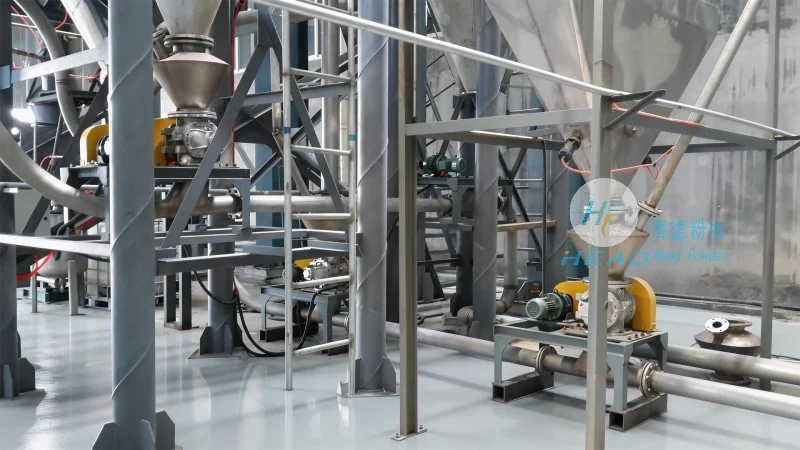
In industrial settings, the handling of light calcium powder requires specialized equipment to address challenges like dust generation, material segregation, and system integration. Conveying machines designed specifically for this application ensure that the powder is transported safely, efficiently, and without compromising its quality. These systems are engineered to handle the unique properties of light calcium powder, including its fine particle size and low bulk density, which can pose challenges in traditional conveying methods.
Key Design Principles of Light Calcium Powder Conveying Systems
The design of light calcium powder conveying machines is based on several critical principles to ensure optimal performance. One of the primary considerations is the prevention of material buildup and blockages, which can occur due to the fine nature of the powder. Engineers employ features such as smooth internal surfaces, self-cleaning mechanisms, and appropriate material selection for components that come into contact with the powder. Additionally, the system must maintain a consistent flow rate to avoid variations in the powder's concentration or moisture content, which can affect downstream processes.
Components and Mechanisms in Light Calcium Powder Conveying Machines
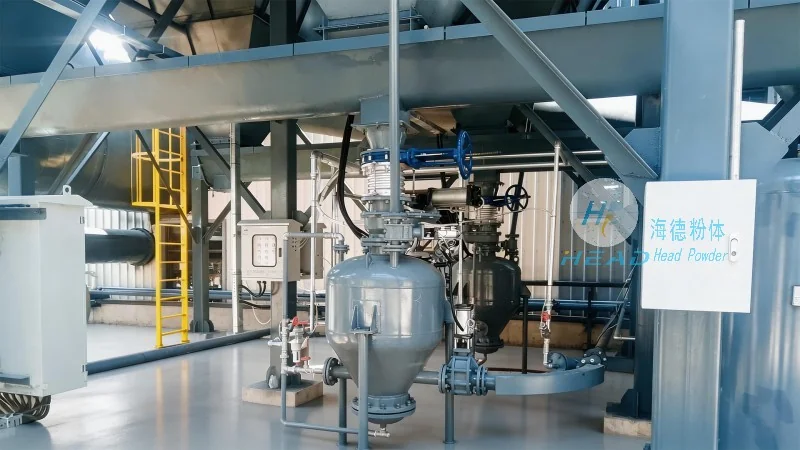
Light calcium powder conveying machines typically consist of several key components that work in tandem to achieve effective material transport. The feeding system, often equipped with a hopper or feeder, ensures a steady supply of powder into the conveying line. The conveying mechanism, which may include screw conveyors, pneumatic systems, or a combination of both, moves the powder through the system. For pneumatic systems, air is used to create a flow of the powder, while screw conveyors use rotating screws to push the material forward. The control system plays a vital role in regulating the speed and pressure, ensuring that the conveying process is stable and efficient.
Advantages of Using Light Calcium Powder Conveying Machines
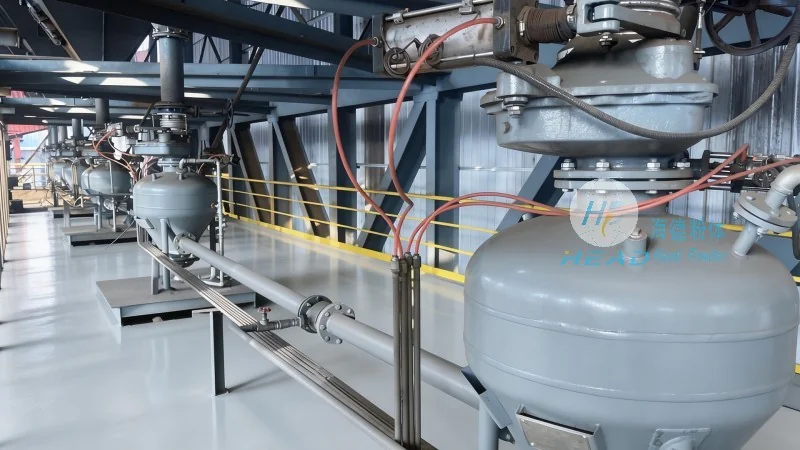
Implementing light calcium powder conveying machines offers several advantages for industrial operations. Firstly, these systems minimize dust exposure, enhancing workplace safety and reducing the risk of respiratory issues among workers. Secondly, they improve the accuracy of material delivery, leading to better control over the final product's properties. Thirdly, the efficient design reduces energy consumption compared to traditional methods, contributing to cost savings and environmental sustainability. Additionally, the compact and modular nature of these machines allows for easy integration into existing production lines, minimizing downtime during installation.
About Shandong HeadPowder Engineering Co., Ltd.
Shandong HeadPowder Engineering Co., Ltd., commonly known as HeadPowder, is a leading manufacturer specializing in powder handling equipment. With a strong commitment to innovation and quality, HeadPowder has established itself as a trusted partner in the industry, providing tailored solutions for various powder processing needs. The company's headquarters is located in Shandong, China, where it leverages advanced technology and expertise to develop cutting-edge conveying systems for light calcium powder and other fine materials. HeadPowder's products are designed to meet the stringent requirements of modern industrial applications, ensuring reliability, efficiency, and durability.




