Desulfurization gypsum, a byproduct of flue gas desulfurization in thermal power plants and other industrial facilities, requires efficient and reliable transportation methods for handling and processing. The pneumatic conveying system is a key solution for this application, offering advantages such as low energy consumption, minimal dust pollution, and flexible operation. This article provides an overview of the equipment involved in a desulfurization gypsum pneumatic conveying system, along with an explanation of its structural principles and operational mechanisms.
Company Profile: Shandong HeadPowder Engineering Co., Ltd.
As a leading manufacturer in the field of powder processing and conveying systems, Shandong HeadPowder Engineering Co., Ltd. specializes in providing customized solutions for industrial material handling. With a focus on innovation and quality, the company has developed advanced pneumatic conveying technologies tailored to the unique requirements of desulfurization gypsum applications. HeadPowder's expertise in engineering and manufacturing ensures that their systems are designed to meet the highest standards of efficiency, safety, and durability.
System Equipment Overview
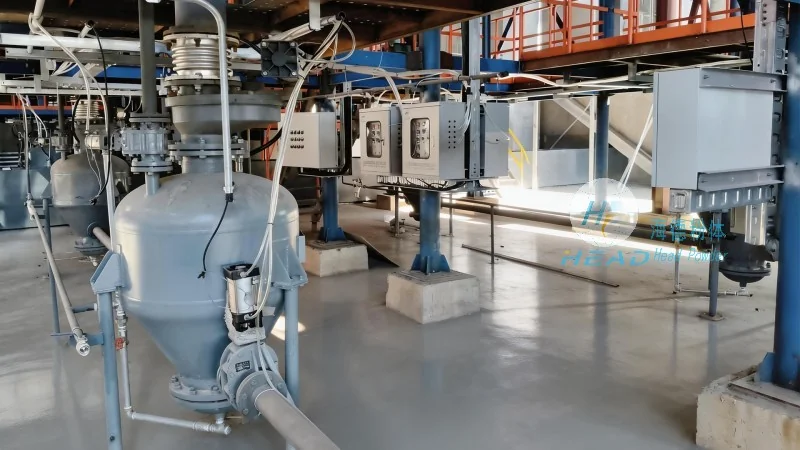
The desulfurization gypsum pneumatic conveying system typically consists of several core components that work in tandem to transport the material from the source to the destination. The primary equipment includes a material feeder, a conveying pipeline, a pressure vessel or receiver, a control system, and a dust collection unit. Each component plays a critical role in ensuring the smooth and efficient operation of the entire system.
Material feeders are responsible for introducing desulfurization gypsum into the conveying system. These devices can be designed as rotary valves, star feeders, or screw conveyors, depending on the specific flow rate and material characteristics. The feeder ensures a consistent and controlled flow of material into the pipeline, preventing blockages and maintaining system stability.
The conveying pipeline is the main channel through which the gypsum is transported. It is usually made of stainless steel or other corrosion-resistant materials to withstand the chemical properties of the gypsum and the effects of air pressure. The pipeline may include bends, elbows, and other fittings that are carefully designed to minimize pressure loss and maintain the material's flow characteristics.
The pressure vessel or receiver is a critical component that stores the conveyed material and regulates the pressure within the system. It is equipped with a discharge valve that allows the material to be released into a storage silo or processing unit. The receiver also features a pressure relief valve to prevent over-pressurization and ensure safe operation.
The control system is responsible for monitoring and regulating the operation of the entire pneumatic conveying system. It includes sensors for pressure, flow rate, and temperature, as well as a control panel that allows operators to adjust parameters such as air pressure and material feed rate. The control system ensures that the system operates within safe and efficient limits, minimizing energy consumption and maximizing throughput.
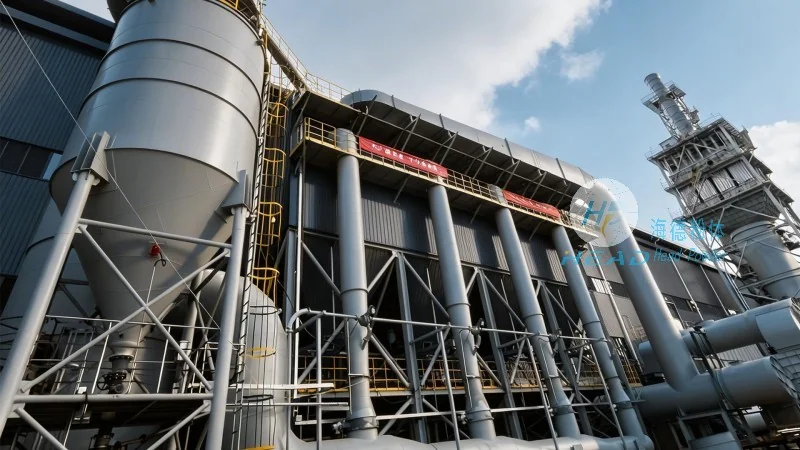
The dust collection unit is an essential component for maintaining a clean and safe working environment. It is typically a baghouse or cartridge filter that captures any fine particles that may escape from the conveying system. The collected dust is then discharged into a collection bin for disposal or reuse, ensuring compliance with environmental regulations.
Structural Principles and Operational Mechanisms
The structural principles of the desulfurization gypsum pneumatic conveying system are based on the fundamental physics of fluid dynamics and material transport. The system operates by creating a pressure differential between the material feeder and the receiver, which drives the material through the pipeline using compressed air. The key principles include the use of air as a carrier medium, the control of air velocity and pressure, and the design of components to minimize friction and pressure loss.
When the system is started, the material feeder introduces desulfurization gypsum into the pipeline, and the compressed air is introduced from the receiver end. The air and material mixture travels through the pipeline at a high velocity, with the air providing the necessary momentum to move the material. The pressure in the system is maintained by the pressure vessel, which ensures that the material is continuously conveyed to the receiver.
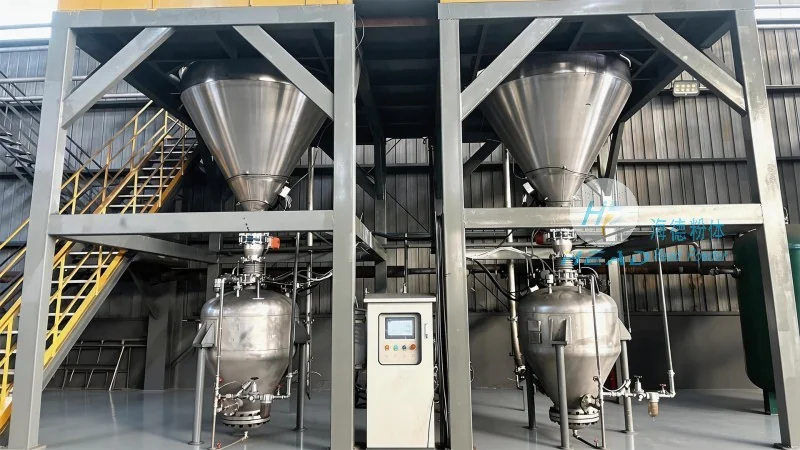
As the material reaches the receiver, the pressure is reduced, causing the material to separate from the air and settle into the storage area. The air, now free of material, is then filtered and discharged back into the atmosphere or used for other purposes. The control system continuously monitors the pressure and flow rate, adjusting the air supply and material feed rate as needed to maintain optimal operation.
The structural design of the system is optimized to minimize energy consumption and maximize efficiency. The use of corrosion-resistant materials and efficient component design reduces maintenance costs and extends the system's lifespan. Additionally, the system is designed to be flexible and adaptable, allowing for changes in material flow rates or pipeline configuration without significant modifications.
Advantages and Applications
The desulfurization gypsum pneumatic conveying system offers several advantages over traditional material handling methods, making it an ideal solution for industrial applications. The system is energy-efficient, as it uses compressed air to transport material rather than mechanical conveyors, which require more power and maintenance. It also reduces dust pollution, as the material is contained within the pipeline and filtered through the dust collection unit.
Furthermore, the system is flexible and can be customized to meet the specific requirements of different industrial facilities. It can handle a wide range of material characteristics, including different particle sizes, moisture content, and flow rates. The system is also suitable for long-distance transportation, as the pipeline can be extended to cover large distances without significant loss of pressure.
Applications of the desulfurization gypsum pneumatic conveying system include the transportation of desulfurization gypsum from the flue gas desulfurization unit to storage silos or processing plants. It is also used in other industrial applications where fine powders need to be transported, such as in the chemical, food, and pharmaceutical industries. The system's efficiency and reliability make it a preferred choice for many industrial facilities.




