Iron powder is a critical material in various industrial applications, and the efficient handling of this fine powder is essential for maintaining production efficiency and product quality. Pneumatic conveying, a method that uses air or other gases to transport bulk materials, has become a preferred solution for iron powder handling due to its ability to move materials in a closed system, reducing dust and contamination risks. This article explores the concept of iron powder pneumatic conveying, delving into its fundamental principles and the key design considerations that ensure optimal performance.
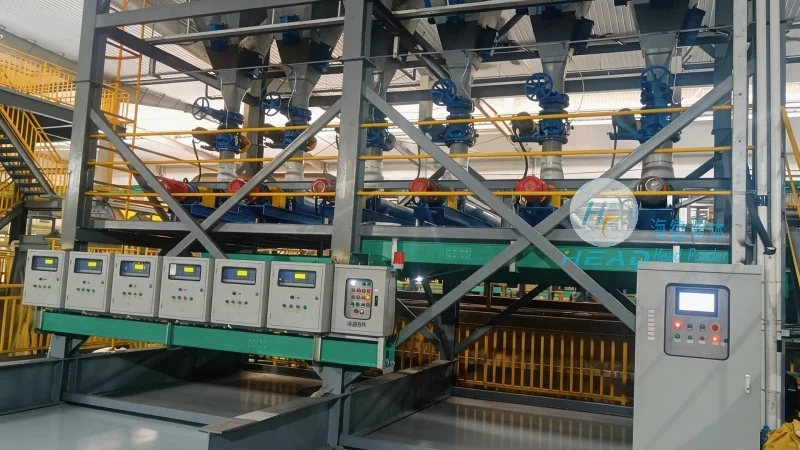
Introduction to Iron Powder Pneumatic Conveying Systems
Pneumatic conveying for iron powder involves the use of a pressurized or vacuum system to transport iron powder particles through a network of pipes. The process typically starts with the material being fed into a hopper or feeder, where it is then introduced into the conveying line. Air is then introduced to create a flow that carries the iron powder particles through the system. This method is particularly advantageous for iron powder because it is a fine, abrasive material that can be easily damaged or contaminated during traditional handling methods like bucket elevators or belt conveyors.
Core Design Principles of Pneumatic Conveying for Iron Powder
The design of an iron powder pneumatic conveying system is governed by several critical principles to ensure reliable and efficient operation. The first principle is the selection of the appropriate conveying velocity, which must be high enough to keep the iron powder particles suspended in the air stream but not so high as to cause excessive wear on the system components. The velocity is typically determined based on the particle size, density, and flow rate of the iron powder. Another key principle is the pressure system, which can be either positive (pressure) or negative (vacuum). Positive pressure systems are commonly used for long-distance or high-capacity conveying, as they can maintain consistent pressure throughout the system and are less prone to blockages. Negative pressure systems, on the other hand, are often used for shorter distances or when the material needs to be transported from a higher elevation to a lower one.
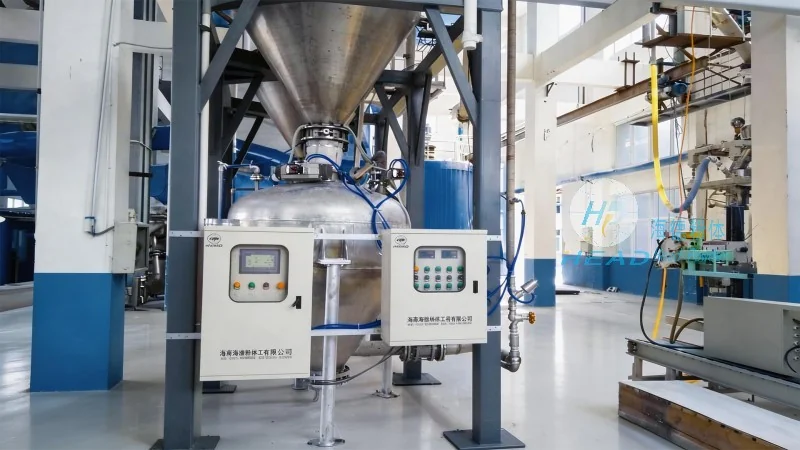
Key Components and Their Functions in Iron Powder Pneumatic Conveying
An iron powder pneumatic conveying system consists of several essential components, each playing a vital role in the overall operation. The primary components include the feeder or hopper, which provides a controlled flow of iron powder into the system; the conveying line, which is made of materials resistant to the abrasive nature of iron powder, such as stainless steel or special coatings; the air compressor or vacuum pump, which generates the necessary pressure or vacuum to move the material; the separation and collection equipment, which separates the iron powder from the air stream and collects it in a container; and the control system, which monitors and adjusts the flow rate and pressure to maintain optimal performance.
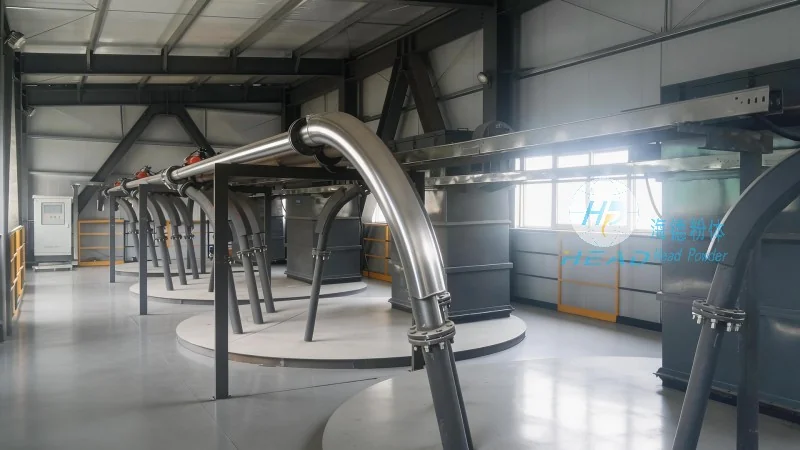
Application Scenarios and Operational Advantages
Iron powder pneumatic conveying systems are widely used in various industries, including metallurgy, chemical processing, and pharmaceuticals. In metallurgy, for example, these systems are used to transport iron powder for the production of steel and other metal alloys. In chemical processing, they are employed to handle iron powder in the manufacturing of pigments, coatings, and other iron-based products. The operational advantages of pneumatic conveying for iron powder include high efficiency, as it can transport large quantities of material over long distances with minimal downtime; reduced contamination, as the closed system prevents exposure to external elements; and improved safety, as the system eliminates the need for manual handling of fine powders, which can be hazardous.
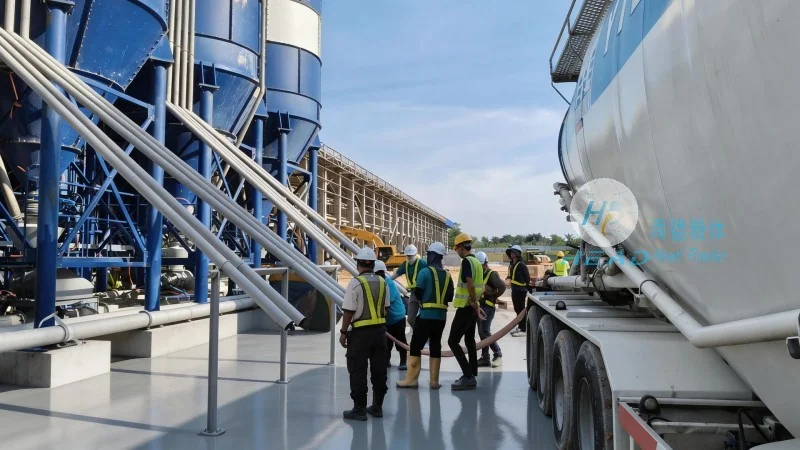
Technical Considerations and Best Practices
When designing and operating an iron powder pneumatic conveying system, several technical considerations must be taken into account to ensure longevity and reliability. One of the most important considerations is the selection of materials for the conveying line and components, as iron powder is abrasive and can cause wear and tear on standard materials. Stainless steel, polyethylene, or other corrosion-resistant materials are often used to minimize wear and extend the system's lifespan. Another consideration is the prevention of blockages, which can occur due to the fine particle size of iron powder. Proper design of the feeder and the use of air knives or other de-agglomeration devices can help prevent blockages and ensure smooth operation. Regular maintenance, including cleaning of the conveying line and replacement of worn parts, is also essential to maintain the system's performance.
Conclusion
Iron powder pneumatic conveying is a highly effective method for handling fine iron powder in industrial applications. By understanding the core design principles and key components of these systems, manufacturers can optimize their operations and improve overall efficiency. As a leading provider of engineering solutions for material handling, Shandong HeadPowder Engineering Co., Ltd. specializes in designing and manufacturing customized pneumatic conveying systems tailored to the specific needs of iron powder applications. With a focus on quality and reliability, HeadPowder ensures that their systems meet the highest standards of performance and safety, helping clients achieve their production goals while maintaining product integrity.




