When discussing the efficient handling and transportation of bone powder material, pneumatic conveying emerges as a key technology. This method involves the use of air or gas to transport solid particles, such as bone powder, through a pipeline system. The process is widely adopted in various industries due to its ability to handle delicate materials while minimizing product degradation.
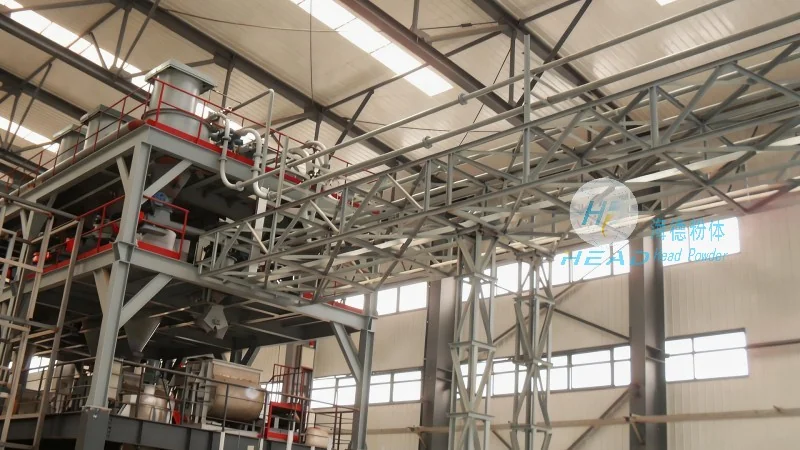
Understanding the Core Design Principles of Pneumatic Conveying Systems
The design of a pneumatic conveying system for bone powder material is governed by several critical principles. These include the selection of appropriate air pressure or vacuum levels, the calculation of the gas-solid ratio, and the optimization of pipeline dimensions and layout. The choice between positive pressure and negative pressure systems depends on factors like material characteristics, distance, and system complexity. For bone powder, which is often fine and potentially abrasive, positive pressure systems are commonly preferred as they offer better control over particle flow and reduce the risk of blockages.
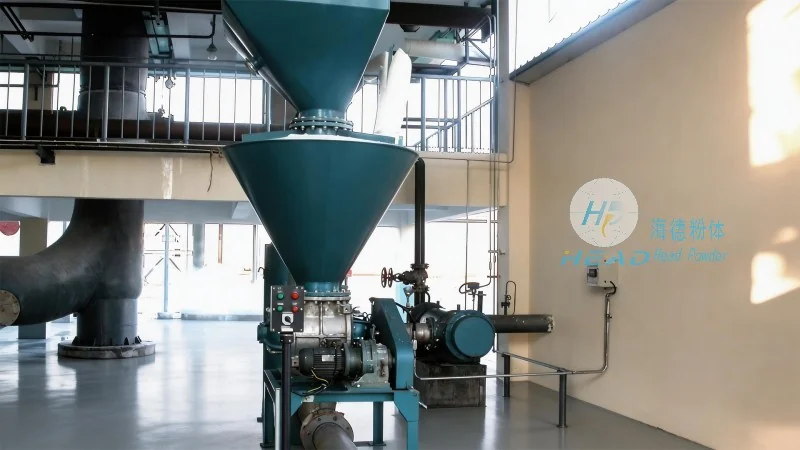
Key Components and Their Roles in the Conveying Process
A typical pneumatic conveying system for bone powder material consists of several essential components. These include a material feeder, which ensures a consistent flow of bone powder into the system; a conveyor line, which may be made of materials like stainless steel or plastic to prevent contamination and wear; a pressure or vacuum source, such as a blower or vacuum pump; and a control system that regulates air flow and pressure. The material feeder is crucial for maintaining a stable feed rate, as fluctuations can lead to uneven particle distribution and system inefficiencies. The conveyor line's design, including its diameter and length, directly impacts the system's performance and energy consumption.
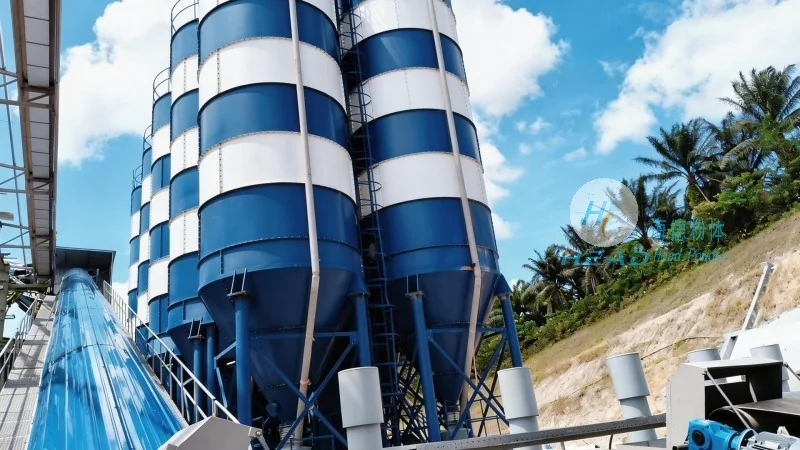
Design Considerations for Efficient Bone Powder Conveying
Designing an effective pneumatic conveying system for bone powder requires careful consideration of several technical aspects. The gas-solid ratio, which is the ratio of air volume to solid mass, is a critical parameter. An optimal ratio ensures that the particles are fully suspended and transported without excessive pressure drop or energy consumption. The pipeline's inclination and bends also play a role; proper slope and minimal bends reduce the risk of particle accumulation and blockages. Additionally, the system's material selection is vital. Since bone powder can be hygroscopic or have specific handling requirements, materials like stainless steel or food-grade plastics are often used to prevent contamination and maintain product quality.
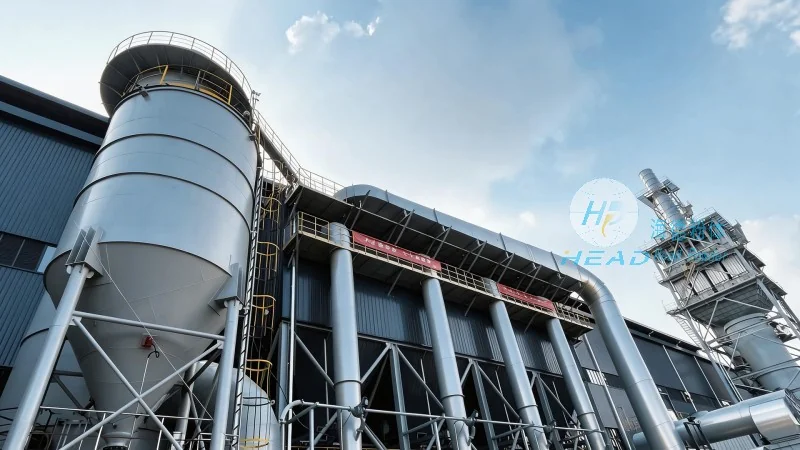
About Shandong HeadPowder Engineering Co., Ltd.
Shandong HeadPowder Engineering Co., Ltd., operating under the brand name headpowder, specializes in the design, manufacturing, and installation of pneumatic conveying systems tailored for various industrial applications. With a focus on bone powder and other fine materials, the company leverages decades of experience to deliver customized solutions that meet the unique needs of clients. HeadPowder's team of engineers and technicians work closely with clients to understand their operational requirements, ensuring that the final system is both efficient and cost-effective. The company's headquarters is located in Shandong, China, where it maintains state-of-the-art facilities for research, development, and production.




