When dealing with bulk materials, especially those that have been damaged or broken during handling in flexible intermediate bulk containers (FIBC), or ton bags, efficient material handling is crucial. This is where bulk bag breakage material pneumatic conveying systems come into play, offering a solution to transport these materials from the source to the destination without the need for manual handling or traditional mechanical conveyors. In this article, we will explore what this technology entails and delve into the design principles that underpin its effective operation.
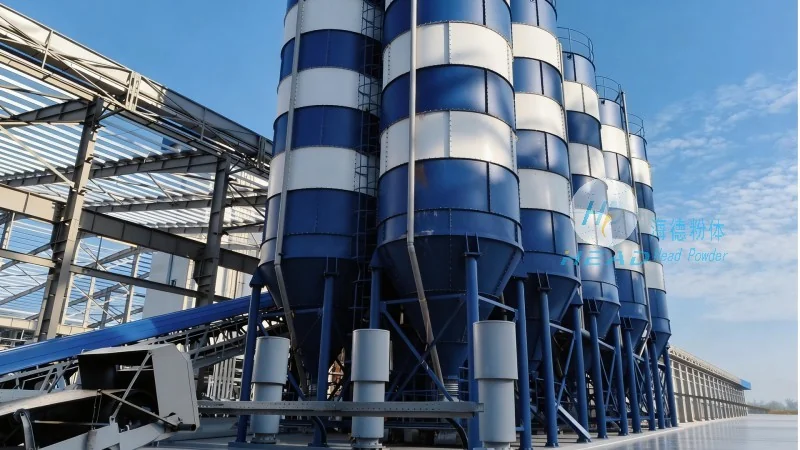
Understanding Bulk Bag Breakage Material Pneumatic Conveying
Bulk bag breakage material pneumatic conveying refers to the process of transporting broken or fragmented materials that have spilled or broken out from ton bags. These materials, often fine powders or granules, require a specialized system to ensure they are moved safely and efficiently. The system typically involves a hopper or feeder that collects the material from the broken ton bag, then uses compressed air or vacuum to convey the material through a network of pipes to a collection point or processing unit. This method is particularly useful in industries such as chemicals, food processing, pharmaceuticals, and mining, where handling broken bulk bag contents is a common challenge.
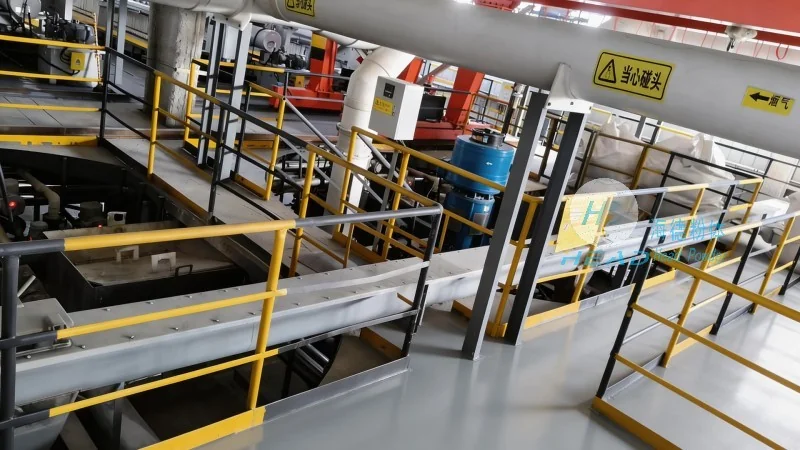
The Core Components of a Pneumatic Conveying System
At the heart of any bulk bag breakage material pneumatic conveying system are several key components that work in tandem to ensure smooth operation. The primary components include a material hopper or feeder, which is designed to collect the material from the broken ton bag. This hopper is often equipped with a discharge valve or gate to control the flow of material into the system. The hopper may also include a pre-filter or screen to remove any large debris or foreign objects from the material before it enters the conveying system, preventing damage to the downstream equipment. Next, the system utilizes a compressor or vacuum pump to generate the necessary air pressure or suction to move the material through the conveying lines. The choice between a positive pressure system (where air is forced through the material, typically using a blower or positive displacement compressor) and a negative pressure system (where air is drawn through the material, using a vacuum pump) depends on the material's properties and the distance it needs to be transported. Positive pressure systems are generally more suitable for long-distance conveying and handling abrasive materials, while negative pressure systems are better for short-distance conveying and handling fine powders. The conveying lines themselves are typically made of stainless steel or other corrosion-resistant materials to handle various types of materials and prevent contamination. Additionally, a separation or filtration system is often included to remove any debris or dust from the air before it is released back into the environment. Finally, a collection hopper or silo is used to store the conveyed material until it is ready for further processing or use.
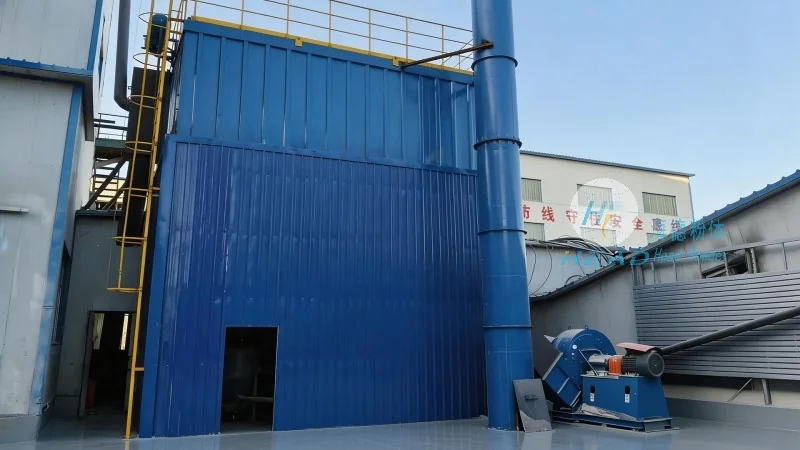
Design Principles for Efficient Pneumatic Conveying
The design of a bulk bag breakage material pneumatic conveying system is critical to its performance and efficiency. Several key principles are considered during the design process to ensure optimal operation. First, the system must be designed to handle the specific characteristics of the material being conveyed, such as particle size, density, and moisture content. This involves selecting the appropriate type of conveying system—either positive pressure (where air is forced through the material) or negative pressure (where air is drawn through the material)—based on the material's properties and the distance it needs to be transported. Second, the system's layout and pipe sizing are crucial. Proper pipe sizing ensures that the air velocity is sufficient to keep the material suspended and prevent blockages. The layout should also minimize the number of bends and changes in direction to reduce pressure losses and maintain the material's flow. For example, the recommended air velocity for fine powders is typically between 20 to 30 meters per second, while for larger particles it may be lower. Third, the system must be equipped with appropriate safety features, such as pressure relief valves, dust collection systems, and material flow indicators, to prevent accidents and ensure safe operation. These features help to maintain system pressure within safe limits and prevent the release of dust or other contaminants into the environment. Finally, the system should be designed for easy maintenance and cleaning to ensure long-term reliability and performance. This includes features like easy-to-remove components, access panels for cleaning, and regular maintenance schedules to keep the system operating at peak efficiency.




