

What is the Pneumatic Conveying of Pyrolytic Carbon Material? What are the Design Principles?
Pyrolytic carbon, a material derived from the thermal decomposition of organic substances, is widely used in various industrial applications due to its unique properties such as high electrical conductivity, chemical inertness, and mechanical strength. The efficient and reliable transportation of this material from one processing stage to another is crucial for maintaining production efficiency and product quality. Pneumatic conveying, a technology that uses air or other gas to transport solid materials, has become a preferred method for handling pyrolytic carbon, especially in scenarios where traditional bulk handling methods may pose challenges. This article explores the concept of pneumatic conveying for pyrolytic carbon materials and delves into the fundamental design principles that ensure optimal performance.
Understanding Pneumatic Conveying Systems
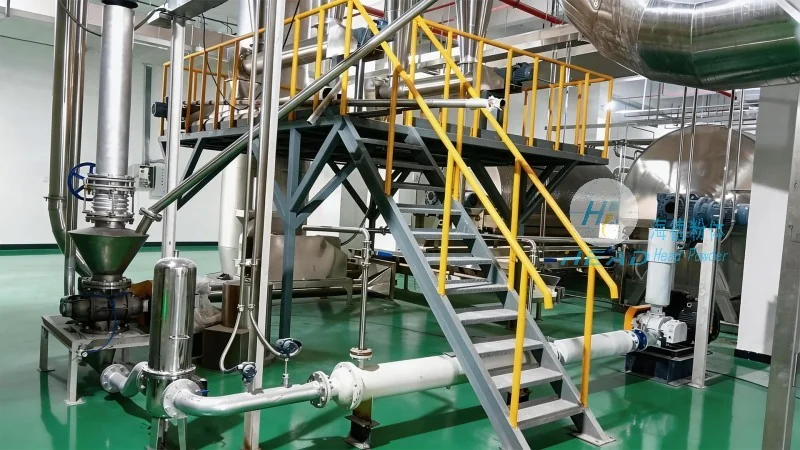
Pneumatic conveying systems operate by creating a pressure differential between the material feed point and the discharge point, allowing the material to be transported through a pipeline using air or gas. There are two main types of pneumatic conveying systems: dilute-phase and dense-phase. Dilute-phase systems, which are commonly used for pyrolytic carbon due to its relatively low density and low dust content, rely on high-velocity air to suspend the material particles in the air stream. Dense-phase systems, on the other hand, use lower air velocities and higher material concentrations to transport the material in a more controlled manner, often with the assistance of positive pressure or vacuum. The choice between these systems depends on factors such as the material's physical properties, the required conveying distance, and the desired discharge characteristics.
Key Design Principles for Pyrolytic Carbon Pneumatic Conveying
The design of a pneumatic conveying system for pyrolytic carbon must consider several critical factors to ensure efficient and safe operation. First, the material's flow properties, including its bulk density, angle of repose, and cohesive forces, are essential for determining the appropriate conveying velocity and pipeline diameter. Pyrolytic carbon, being a fine powder or granular material, may exhibit cohesive behavior, which can lead to blockages if not properly addressed. Therefore, the system design often incorporates features such as vibration, air knives, or fluidization to prevent material buildup and ensure smooth flow.
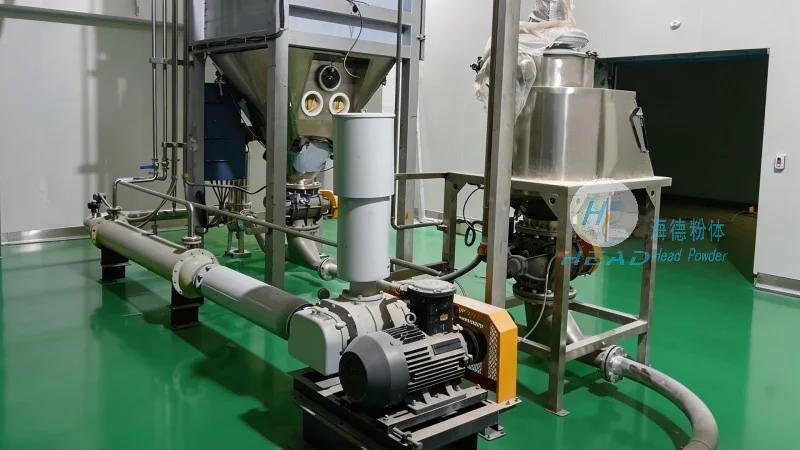
Second, the air velocity and pressure differential are critical parameters that directly impact the conveying efficiency and energy consumption. The air velocity must be high enough to suspend the material particles but not so high as to cause excessive wear on the pipeline and components. The pressure differential is determined by the conveying distance, elevation changes, and the number of bends or fittings in the system. Proper sizing of the air compressor and the pipeline diameter is essential to maintain the required pressure and velocity throughout the system.
Third, the system's components, including the feeders, pipelines, and discharge devices, must be selected based on the material's properties and the conveying requirements. For pyrolytic carbon, which is often sensitive to contamination or moisture, the components should be made of materials that are chemically inert and resistant to corrosion. The feeders, such as rotary valves or screw feeders, must be designed to provide a consistent material flow rate and prevent air leakage, which can affect the conveying performance. The pipelines should be smooth and free of sharp edges to minimize friction and particle attrition. The discharge devices, such as rotary valves or airlocks, must be capable of handling the material's flow characteristics and preventing material spillage or blockage.
HeadPowder's Expertise in Pneumatic Conveying Solutions
Shandong HeadPowder Engineering Co., Ltd., a leading provider of engineering solutions for material handling, specializes in designing and manufacturing pneumatic conveying systems tailored to the unique needs of pyrolytic carbon applications. With years of experience in the industry, HeadPowder has developed a deep understanding of the material's properties and the challenges associated with its handling. The company's team of engineers and technicians work closely with clients to assess their specific requirements, including conveying distance, material flow rates, and environmental constraints, and design customized solutions that meet their operational and performance goals.
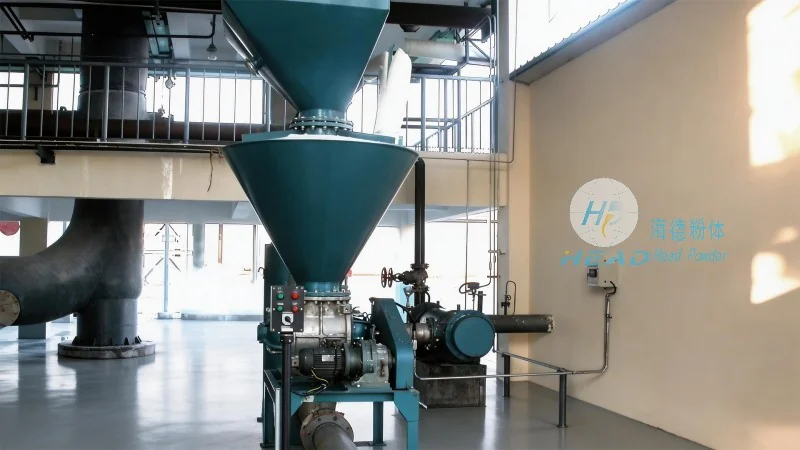
HeadPowder's approach to pneumatic conveying system design emphasizes the integration of advanced technology and practical engineering. The company utilizes state-of-the-art simulation tools to model the material flow and air dynamics within the system, allowing for the optimization of design parameters before the actual construction. This approach helps to minimize the risk of design errors and ensures that the final system operates efficiently and reliably. Additionally, HeadPowder provides comprehensive support services, including system installation, commissioning, and maintenance, to ensure that the clients' systems operate at peak performance throughout their service life.
HeadPowder's facilities are located in Shandong, China, where the company has established a strong presence in the material handling industry. The company's commitment to quality and customer satisfaction has earned it a reputation as a trusted partner for businesses seeking reliable and efficient pneumatic conveying solutions for their pyrolytic carbon applications. By combining technical expertise with a customer-centric approach, HeadPowder continues to deliver innovative solutions that meet the evolving needs of the industry.