For the production and processing of ternary cathode materials, efficient material handling is crucial. Air-driven conveying systems have emerged as a key technology in this field, offering innovative solutions to traditional material transport challenges. This article explores the working principle and key characteristics of air-driven conveying for ternary cathode materials, highlighting how such systems enhance operational efficiency and product quality in battery material manufacturing.
Introduction to Air-Driven Conveying for Ternary Cathode Materials
Ternary cathode materials, commonly used in lithium-ion batteries, require precise handling to maintain their chemical and physical properties. Conventional methods like belt conveyors or mechanical screw conveyors may introduce contamination or degrade material quality. Air-driven conveying, also known as pneumatic conveying, provides a dust-free, closed-loop system that addresses these issues effectively. The technology is particularly valuable in the battery material industry, where maintaining material purity and preventing particle degradation is paramount.
The Working Principle of Air-Driven Conveying
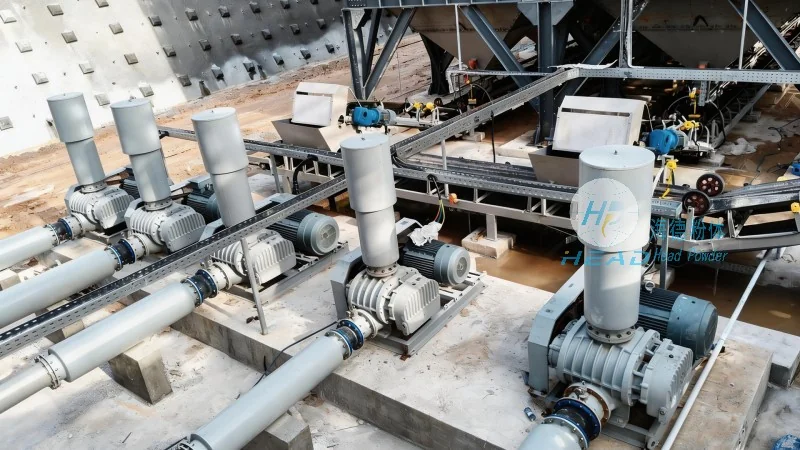
At the core of air-driven conveying is the use of compressed air to transport materials through a pipeline system. The process involves several key components and steps. First, the material to be conveyed is introduced into a hopper or feeder. From there, it is fed into a conveying line where compressed air is introduced at one end. The air flow creates a pressure differential that propels the material particles forward. The system typically uses a combination of positive and negative pressure zones to control the flow and ensure smooth transport. The air velocity and pressure are carefully regulated to prevent material degradation, clogging, or loss of product quality. The conveying line may include bends, filters, and separation devices to manage the material flow and maintain system efficiency.
Key Characteristics of Air-Driven Conveying Systems
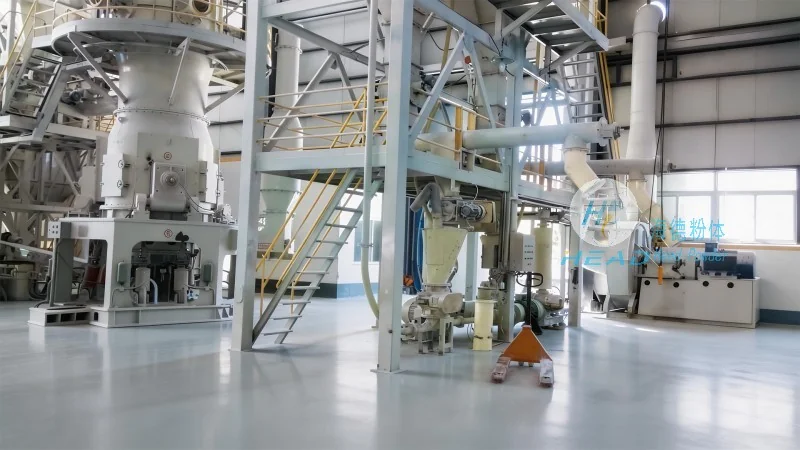
Several distinct characteristics make air-driven conveying an attractive option for ternary cathode material handling. First, the system operates in a closed environment, which minimizes dust emissions and ensures material purity. This is critical for sensitive battery materials that are susceptible to contamination from external particles or moisture. Second, the technology offers high flexibility in terms of layout and integration. Conveying lines can be designed to follow complex production line layouts, allowing for seamless material transfer between processing stages. Third, air-driven systems provide excellent control over material flow rates and pressure, enabling precise dosing and consistent product quality. The closed-loop design also facilitates easy cleaning and maintenance, reducing downtime and operational costs. Additionally, the system can handle a wide range of material sizes and densities, making it versatile for different ternary cathode formulations.
Benefits and Applications in Battery Material Production
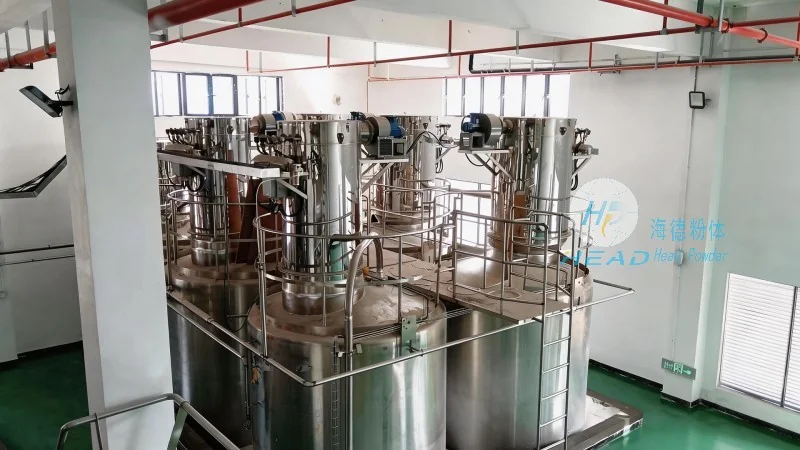
The adoption of air-driven conveying systems in the production of ternary cathode materials brings numerous benefits. By maintaining a dust-free environment, the system helps preserve the chemical stability of the materials, which is essential for battery performance. The precise control over material transport ensures consistent quality in the final cathode powders, leading to improved battery cycle life and energy density. Furthermore, the flexibility of the system allows manufacturers to adapt to changing production requirements or scale up operations without significant modifications. In the context of Shandong HeadPowder Engineering Co., Ltd., a leading provider of material handling solutions, such systems are integral to their product portfolio. The company specializes in designing and manufacturing customized air-driven conveying equipment tailored to the specific needs of battery material manufacturers. With operations based in Shandong, China, HeadPowder leverages local expertise and advanced engineering to deliver high-performance conveying solutions that enhance the efficiency and reliability of cathode material processing.
Conclusion
Air-driven conveying represents a sophisticated and effective approach to handling ternary cathode materials in battery production. By understanding its working principle and leveraging its key characteristics, manufacturers can optimize their material handling processes, improve product quality, and reduce operational risks. As the demand for high-performance lithium-ion batteries continues to grow, the role of efficient material transport systems like air-driven conveying will become increasingly critical. Companies like Shandong HeadPowder Engineering Co., Ltd. play a vital role in advancing this technology, providing tailored solutions that meet the evolving needs of the battery industry.




