HeadPowder, a leading manufacturer based in Shandong, China, specializes in providing advanced pneumatic conveying solutions for the handling of bean powders. This article delves into the working principle and key features of bean powder pneumatic conveying systems, offering insights into how these systems operate and their advantages in industrial applications.
Working Principle of Bean Powder Pneumatic Conveying Systems
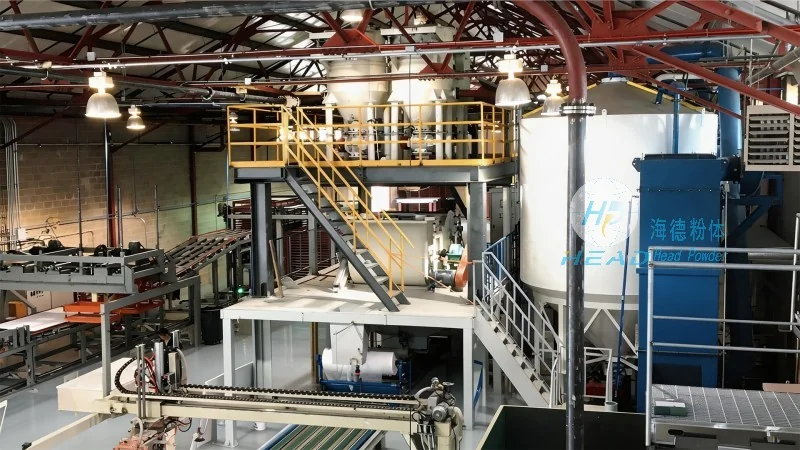
Bean powder pneumatic conveying systems utilize air or gas as the medium to transport dry, powdered materials like bean flour or other similar granular substances. The core mechanism involves creating a pressure differential between the inlet and outlet of the system. Typically, the system operates under either positive pressure or negative pressure (suction) to move the material. In a positive pressure system, compressed air is introduced into the material container, forcing the powder through a pipeline to the destination. Conversely, a negative pressure system draws the material into the system using a vacuum at the discharge end. The process begins with the material being fed into a hopper or feeder, where it is then introduced into the pipeline. The air flow, controlled by a blower or fan, carries the powder particles along the pipeline, ensuring efficient transport without the need for mechanical components like belts or screws. This method not only minimizes material degradation but also reduces the risk of contamination and blockages, making it ideal for handling sensitive products such as bean powders.
Key Features of Bean Powder Pneumatic Conveying Systems
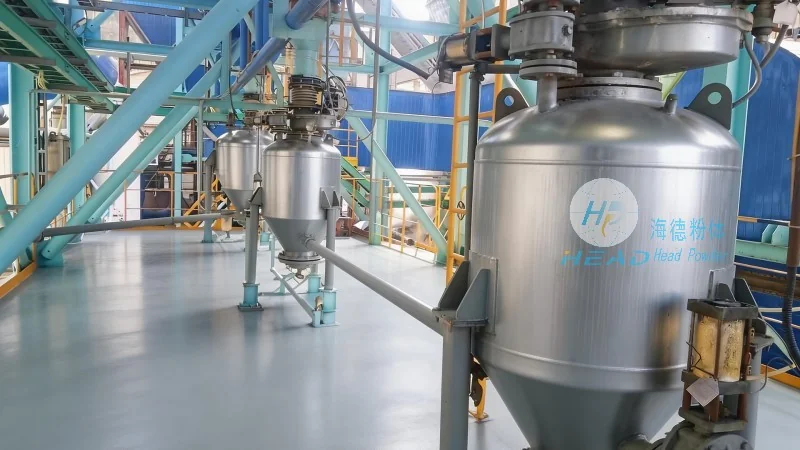
Bean powder pneumatic conveying systems from HeadPowder Engineering Co., Ltd. are designed with several distinctive features that enhance their performance and reliability. One of the primary advantages is the ability to handle fine powders with minimal segregation or agglomeration. The system's design ensures that the powder remains in a suspended state, preventing clumping and maintaining consistent particle size distribution. Additionally, these systems offer high flexibility in terms of layout and installation, as they can be configured to follow complex routes, including vertical and horizontal segments, without the need for additional equipment. Another significant feature is the energy efficiency, as the systems are optimized to use the least amount of air required for effective transport, reducing operational costs. The equipment is also constructed from materials resistant to corrosion and wear, ensuring long-term durability and low maintenance requirements. Furthermore, the systems are equipped with advanced control mechanisms that allow for precise regulation of air flow and pressure, enabling seamless integration with existing production lines. This level of control is crucial for maintaining product quality and preventing system failures.
Application and Benefits in Industrial Settings
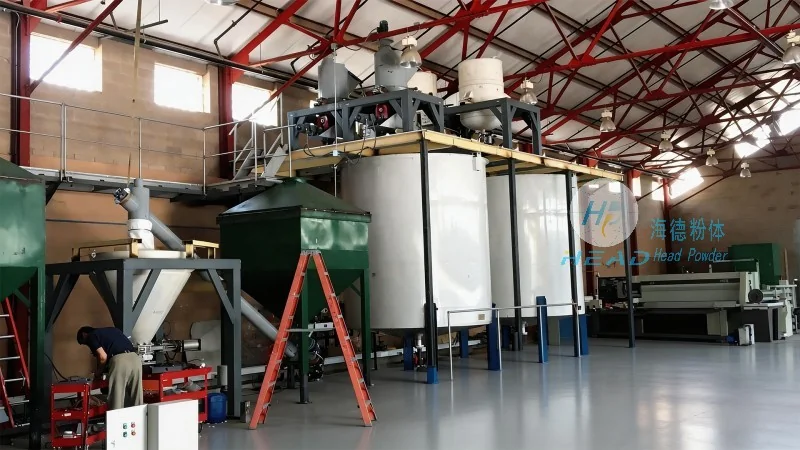
The application of bean powder pneumatic conveying systems in industrial settings, particularly in food processing and agricultural industries, offers numerous benefits. These systems are widely used in the transportation of bean flour from storage silos to processing units, ensuring a continuous and clean supply of raw materials. The advantages extend beyond mere transport; they include improved hygiene standards, as the enclosed system prevents exposure to contaminants and dust. Moreover, the systems contribute to increased operational efficiency by reducing downtime associated with mechanical handling equipment. The ability to handle large volumes of material in a compact footprint makes them suitable for facilities with limited space. In addition, the systems are designed to be scalable, allowing for easy expansion as production needs grow. This adaptability is a key factor in their widespread adoption across various industries. By leveraging the expertise of HeadPowder Engineering Co., Ltd., companies can benefit from customized solutions tailored to their specific requirements, ensuring optimal performance and cost-effectiveness.




