

Working Principle and Features of Metal Powder Pneumatic Conveying Systems
For industries dealing with metal powders, efficient and reliable material handling is crucial. The metal powder pneumatic conveying system, a technology developed by Shandong HeadPowder Engineering Co., Ltd., offers a solution that combines precision with performance. This system is designed to transport metal powders over long distances or within complex production lines, ensuring minimal loss and maximum efficiency. It serves as a critical component in manufacturing processes where metal powders are a key raw material, enabling seamless integration from material storage to processing and packaging.
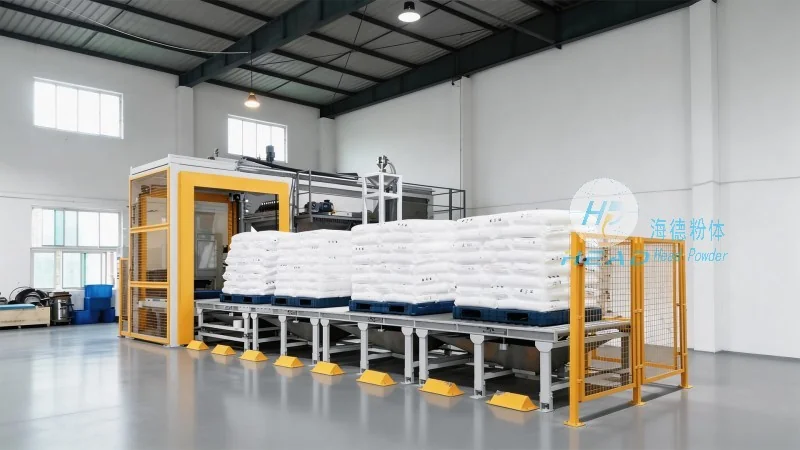
Working Principle of the Metal Powder Pneumatic Conveying System
The core of the metal powder pneumatic conveying system lies in its ability to use air as the medium for material transport. The system operates based on either positive pressure or negative pressure, depending on the specific requirements of the application. In positive pressure systems, a high-capacity blower or compressor generates a steady stream of high-pressure air that pushes the metal powder through the conveying line. The air flow is controlled to maintain a consistent velocity, ensuring the powder particles are carried efficiently without clogging the pipeline. Conversely, negative pressure systems utilize a vacuum pump to create a low-pressure environment that draws the metal powder from the source into the system. The powder is then carried through the pipeline by the induced air flow. The process begins with the metal powder being fed into a hopper or feeder, where it is metered and introduced into the conveying line. The air, either supplied by the blower or generated by the vacuum pump, carries the powder particles through the pipeline. At the receiving end, a cyclone separator or filter separates the metal powder from the air, allowing the powder to be deposited into a collection container while the air is either recirculated or treated to remove any residual particles. This separation process is vital for maintaining the purity of the metal powder and preventing contamination.
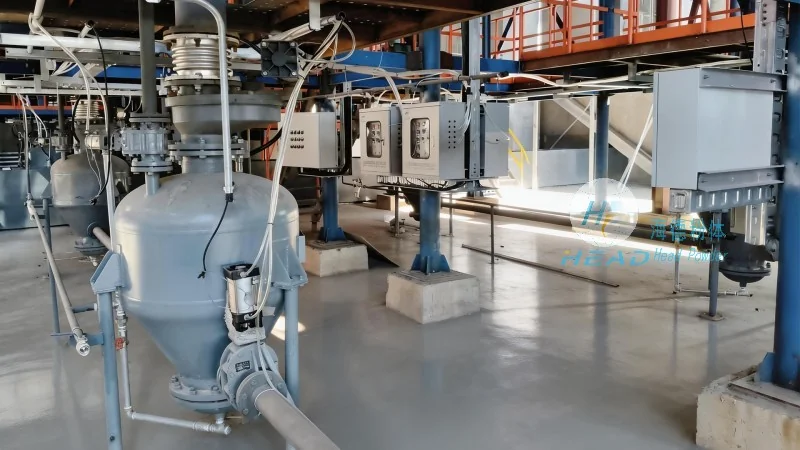
Key Components and Their Functions
Several critical components work in tandem to ensure the smooth operation of the metal powder pneumatic conveying system. The first is the feeder or hopper, which holds the metal powder and controls the feed rate to maintain a steady flow. This component is designed to handle varying particle sizes and densities, ensuring consistent material introduction into the system. The blower or compressor provides the necessary air pressure or vacuum, depending on the system type. It is a high-efficiency unit that can handle the specific air volume and pressure required for the metal powder's characteristics. The conveying pipeline, typically made of stainless steel or food-grade plastic, is engineered to withstand the pressure and abrasion from the metal powder. The pipeline is often equipped with bends, elbows, and straight sections to accommodate the layout of the production facility. The separator or cyclone is essential for separating the powder from the air, preventing dust contamination and ensuring the powder is collected in a clean state. It operates on the principle of centrifugal force, where the heavier powder particles are separated from the lighter air and directed to the collection hopper. Additionally, the system may include filters to remove any fine particles from the air, and control valves to regulate the air flow and pressure. These valves allow for precise adjustment of the system's performance, ensuring optimal operation under different conditions.
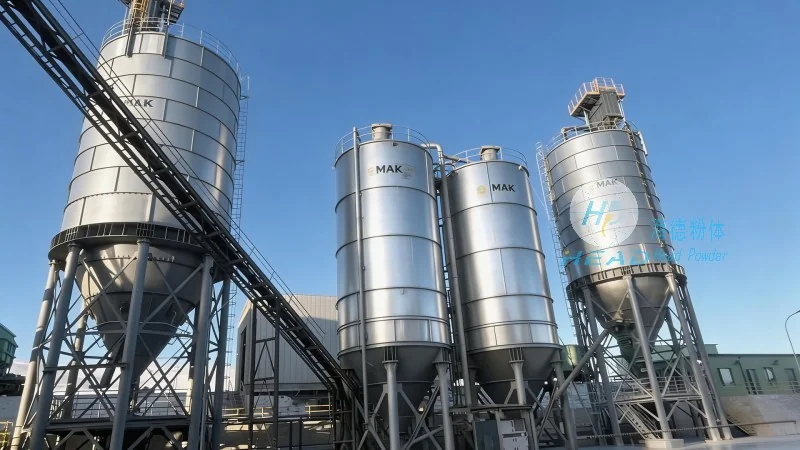
Advantages and Features of Metal Powder Pneumatic Conveying Systems
One of the primary advantages of the metal powder pneumatic conveying system is its efficiency in transporting materials over long distances without the need for mechanical components like belts or chains. This reduces the risk of material contamination and damage, which is particularly important for sensitive metal powders. The system also offers flexibility in terms of layout, as the conveying lines can be easily reconfigured to adapt to changes in production processes. Another key feature is its ability to handle varying particle sizes and densities, making it suitable for a wide range of metal powders. The system is also known for its low maintenance requirements, as it has fewer moving parts compared to traditional mechanical conveying systems. This translates to lower operational costs and less downtime for maintenance. Furthermore, the use of air as the conveying medium allows for a clean and dust-free operation, which is beneficial for maintaining a safe and healthy work environment. The system can be integrated with other production equipment, such as mixers or extruders, to create a seamless material handling process. This integration enhances overall production efficiency and reduces the need for manual handling, which can be hazardous for both the material and the operators.
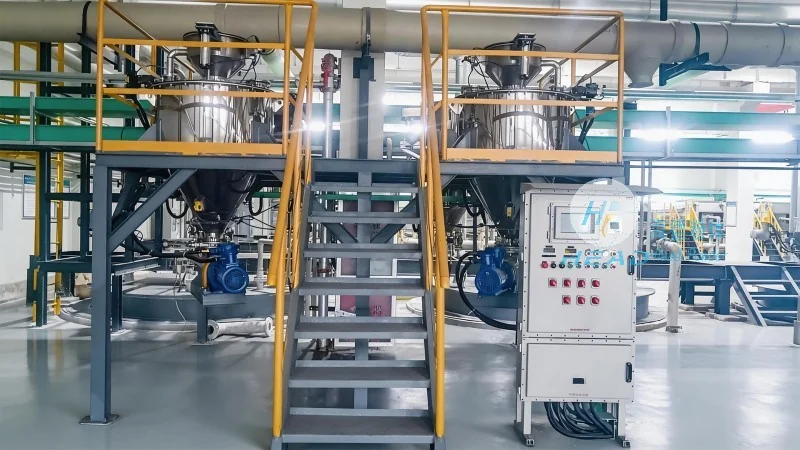
Applications and Industries
The metal powder pneumatic conveying system is widely used in various industries that require the handling of metal powders. These include the aerospace industry, where aluminum and titanium powders are used in manufacturing aircraft components. The system ensures these powders are transported safely and efficiently to the manufacturing lines, minimizing the risk of contamination. In the automotive industry, metal powders are used in the production of engine parts and other components. The pneumatic conveying system helps in delivering these powders to the production facilities, maintaining the quality and consistency of the parts. The electronics industry also relies on metal powders for the manufacturing of circuit boards and other electronic components. The system's ability to handle fine powders makes it ideal for these applications, where precision is critical. Additionally, the chemical and pharmaceutical industries use metal powders in various formulations, and the pneumatic conveying system provides a clean and controlled method for handling these materials. The food industry, particularly in the production of certain metal-based food additives, also benefits from this technology, as it ensures the powders are handled hygienically and without contamination. The versatility of the system makes it an essential tool for any industry that relies on metal powders as a raw material, supporting their production processes with reliability and efficiency.