

Working Principle and Features of Micro Silica Powder Pneumatic Conveying Lines
Micro silica powder, also known as fumed silica, is a high-purity, ultrafine powder with exceptional surface properties. Its applications span across various industries, including construction, electronics, and cosmetics, where its unique characteristics are leveraged for enhanced performance. The efficient and reliable transport of this fine powder is crucial for maintaining product quality and operational efficiency. This article explores the working principle and key features of micro silica powder pneumatic conveying lines, providing insights into how these systems operate and the advantages they offer, with a focus on the solutions provided by Shandong HeadPowder Engineering Co., Ltd., a leading manufacturer in the field.
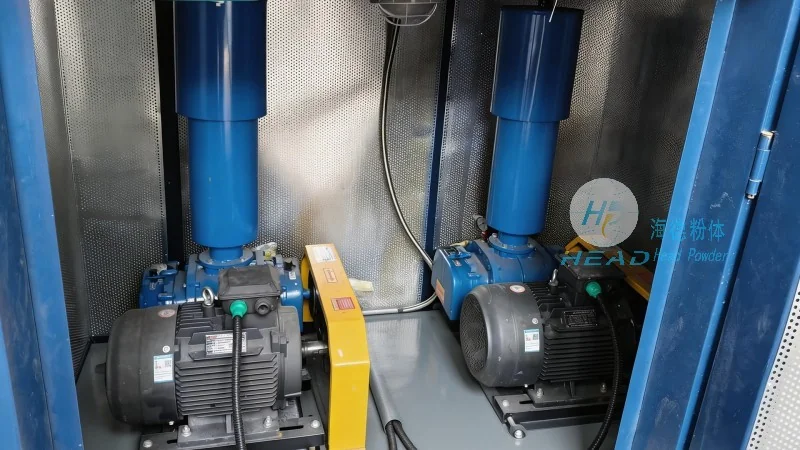
Working Principle of Micro Silica Powder Pneumatic Conveying Lines
Micro silica powder pneumatic conveying lines utilize a pneumatic system to transport fine powders through a network of pipes using air as the conveying medium. The core components of such a system typically include a material feeder, a conveying line (often equipped with pressure vessels or vacuum pumps), and a dust collection system. The process begins with the material feeder, which meters the micro silica powder into the conveying line under controlled conditions. As the powder enters the line, it is mixed with compressed air, creating a suspension that moves through the pipeline. The air pressure or vacuum generated by the system propels the powder forward, ensuring consistent and efficient transport. The design of the system, including the type of air flow (positive pressure or negative pressure), the pipe diameter, and the number of bends, is critical to maintaining the stability of the powder-air mixture and preventing blockages or degradation of the powder. Shandong HeadPowder Engineering Co., Ltd. specializes in designing systems that optimize these parameters for micro silica powder, ensuring minimal pressure drop and maximum conveying efficiency.
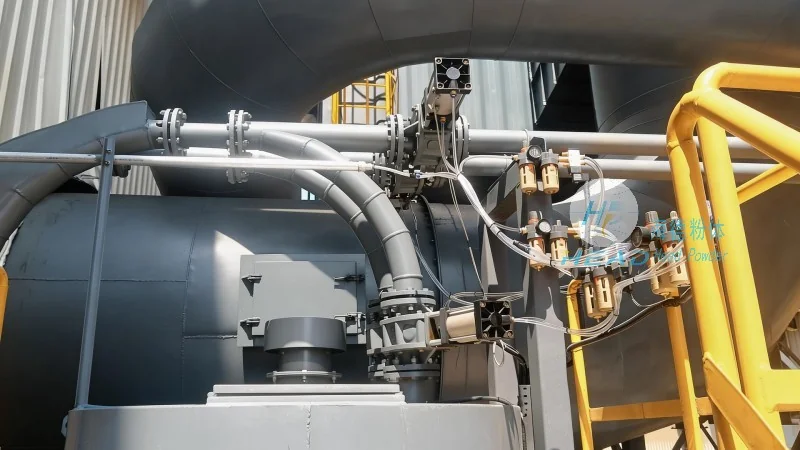
Key Features of Micro Silica Powder Pneumatic Conveying Lines
Systems designed for micro silica powder conveyance exhibit several distinct features that cater to the specific requirements of handling ultrafine powders. Firstly, the system must be capable of maintaining a low pressure drop across the pipeline to minimize energy consumption while ensuring sufficient air velocity to prevent powder settling. This is often achieved through the use of smooth, low-friction pipes and optimized air flow rates. The company, Shandong HeadPowder Engineering Co., Ltd., employs advanced materials and engineering techniques to achieve this, resulting in systems that operate efficiently even with high-purity powders. Secondly, the material feeder is designed to handle the high surface area and cohesive nature of micro silica powder, preventing agglomeration and ensuring a consistent feed rate. This may involve the use of rotary valves, star feeders, or other specialized feeding mechanisms that can handle fine powders without causing blockages. The company's expertise in feeder design ensures that the feed rate is precisely controlled, matching production demands without compromising powder quality. Thirdly, the dust collection system is critical for maintaining air quality and complying with environmental regulations. High-efficiency filters or cyclones are typically employed to capture fine particles, preventing them from being released into the environment. Shandong HeadPowder Engineering Co., Ltd. integrates advanced filtration technologies into their systems, ensuring compliance with local and international standards while maintaining operational performance.
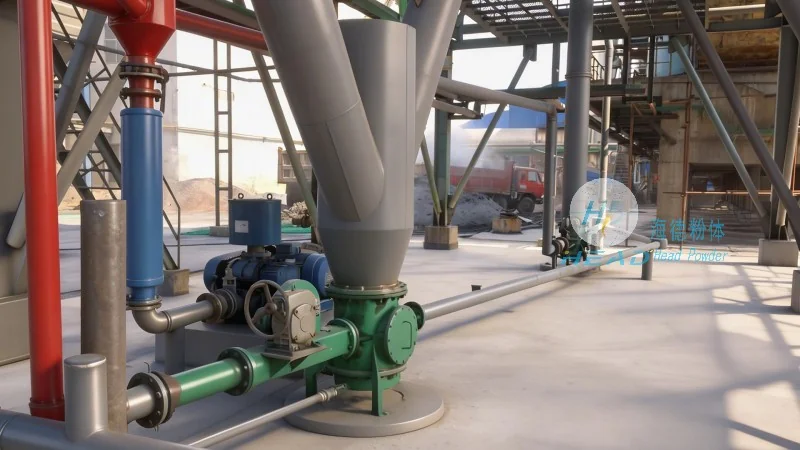
Advantages and Applications of Micro Silica Powder Pneumatic Conveying Lines
The adoption of micro silica powder pneumatic conveying lines offers numerous advantages for industries dealing with fine powders. One of the primary benefits is the ability to transport materials over long distances without the need for mechanical components like conveyor belts or buckets, which can be prone to wear and tear in high-purity applications. This reduces maintenance costs and minimizes the risk of product contamination. Another advantage is the flexibility of the system, which can be easily scaled or modified to accommodate changes in production volume or material specifications. The system also provides better control over the powder's moisture content and temperature, which is essential for maintaining the quality of sensitive products. In the construction industry, for example, micro silica powder is used as a supplementary cementitious material, and pneumatic conveying ensures that it is delivered to the mixing plant without compromising its properties. Similarly, in the electronics industry, micro silica powder is used as a filler in resins and coatings, and the efficient transport via pneumatic systems helps maintain the uniformity and quality of these materials. Shandong HeadPowder Engineering Co., Ltd. has successfully implemented such systems in various industrial settings, demonstrating their reliability and effectiveness in handling micro silica powder.