

Working Principle and Features of Manganese Carbonate Pneumatic Conveying Lines
At Shandong HeadPowder Engineering Co., Ltd., we specialize in the design and manufacturing of advanced pneumatic conveying systems, particularly for handling manganese carbonate. Our expertise lies in providing efficient and reliable solutions tailored to the unique demands of the mineral processing industry. This article explores the working principles and key features of our manganese carbonate pneumatic conveying lines, offering insights into how these systems operate and the advantages they bring to material handling processes.
Company Overview
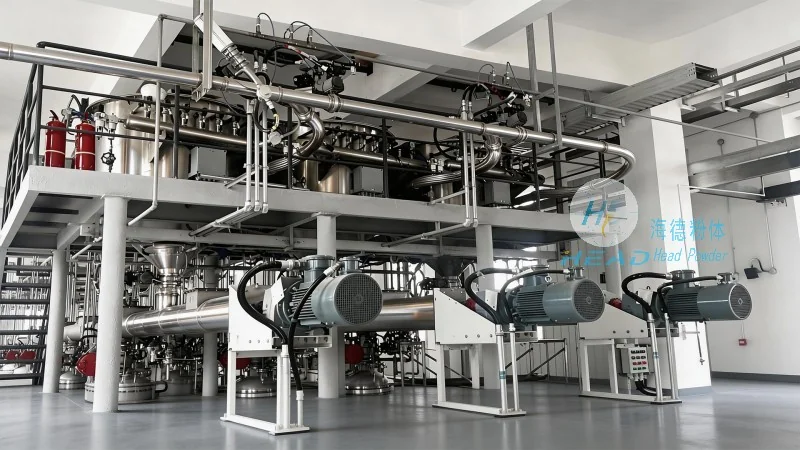
HeadPowder, as the brand of Shandong HeadPowder Engineering Co., Ltd., is a leading manufacturer in the field of pneumatic conveying equipment. With a strong presence in China, particularly in Shandong province, our company has built a reputation for delivering high-quality, durable, and efficient systems that meet the stringent requirements of industrial applications. Our facilities are equipped with state-of-the-art technology and skilled professionals who ensure that every component of our pneumatic conveying lines is crafted with precision and reliability.
Working Principle of Manganese Carbonate Pneumatic Conveying Lines
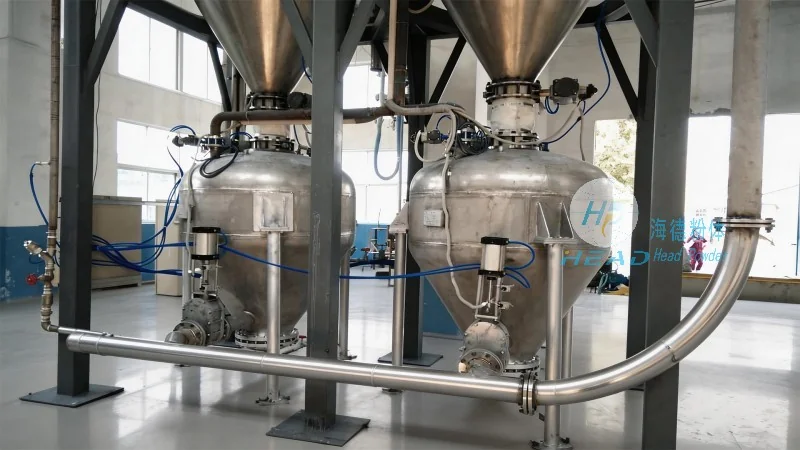
The core of a pneumatic conveying system is the method by which material is transported through a pipeline using air or gas. In the case of manganese carbonate, the system operates by creating a flow of air that draws the solid particles into the pipeline. This process involves several key steps: first, the material is fed into a hopper or feeder, where it is then introduced into the conveying line. The air, often under pressure or suction, moves through the pipeline, carrying the manganese carbonate particles along. The velocity of the air is crucial; it must be sufficient to overcome the gravitational force and friction within the pipeline, ensuring that the material is transported smoothly without clogging or degradation. Our systems are engineered to maintain optimal air velocity and pressure, which directly impacts the efficiency and capacity of the conveying process. The working principle also involves the use of appropriate components such as rotary valves, filters, and dust collectors to manage the material flow and maintain system integrity.
Key Features of Manganese Carbonate Pneumatic Conveying Lines
Our manganese carbonate pneumatic conveying lines are designed with several distinctive features that enhance performance and reliability. One of the primary features is the ability to handle fine and abrasive materials like manganese carbonate without causing wear and tear on the system components. This is achieved through the use of high-quality materials for the pipeline and components, such as stainless steel or specialized coatings that resist corrosion and abrasion. Another important feature is the system's flexibility in terms of layout and integration. Our designs can accommodate various configurations, including horizontal, vertical, and mixed layouts, allowing for seamless integration into existing production lines. The conveying lines are also equipped with advanced control systems that enable real-time monitoring and adjustment of air pressure, flow rate, and material feed, ensuring consistent performance and minimizing downtime. Additionally, the systems are designed for easy maintenance, with accessible components that allow for quick repairs and replacements, reducing overall operational costs. Environmental considerations are also a key feature, as our systems incorporate dust collection and filtration mechanisms to comply with environmental regulations and ensure a clean working environment.
Benefits and Applications
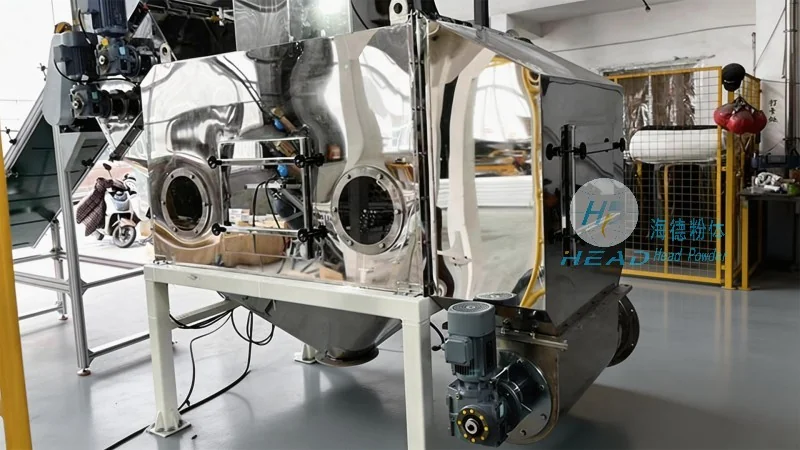
The implementation of manganese carbonate pneumatic conveying lines offers numerous benefits to industrial operations. Firstly, these systems significantly improve material handling efficiency by eliminating the need for manual or mechanical handling, which reduces labor costs and enhances safety. The automated process ensures consistent and reliable material transport, minimizing the risk of spills or material loss. Secondly, the systems are highly adaptable to different production scales, from small-scale operations to large industrial plants, making them suitable for a wide range of applications. In the mineral processing industry, manganese carbonate is often used as an additive in steel production and battery manufacturing, and our conveying lines are ideal for transporting this material to processing facilities. The features discussed above, such as durability and low maintenance, contribute to long-term cost savings and increased productivity. Furthermore, the environmental benefits of using pneumatic conveying systems, as opposed to traditional methods like bucket elevators or belt conveyors, include reduced noise pollution and lower energy consumption, making them a sustainable choice for modern industrial operations.