Understanding the working principle and characteristics of titanium dioxide powder conveying is crucial for optimizing industrial processes in various sectors, particularly in the production and handling of this widely used pigment. This article provides a detailed overview of the mechanisms involved and the key attributes that define efficient powder handling systems for titanium dioxide.
Introduction to Titanium Dioxide Powder Conveying
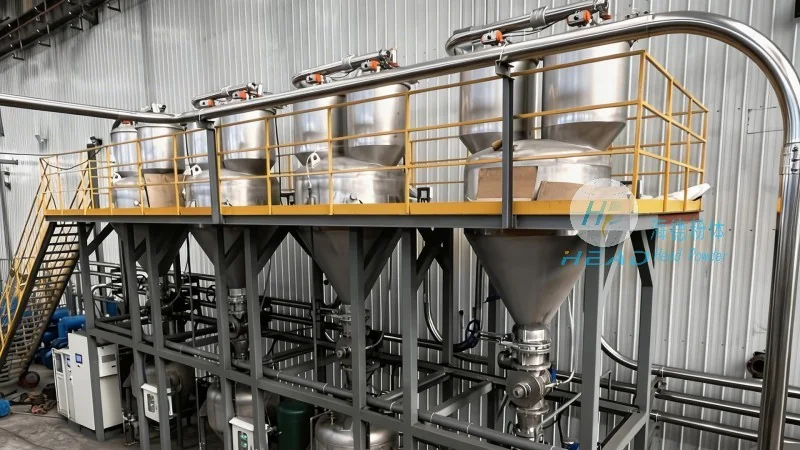
Titanium dioxide (TiO₂) is a critical raw material in numerous industries, including coatings, plastics, paper, and cosmetics. Its handling requires specialized equipment due to the fine particle size and high bulk density of the powder. Conveying systems for TiO₂ must address challenges such as dust generation, material flow control, and equipment wear. The working principle of these systems typically involves mechanical or pneumatic methods to transport the powder from storage to processing units. The choice of method depends on factors like the scale of operation, the required throughput, and the environmental regulations in place.
Company Overview: Shandong HeadPowder Engineering Co., Ltd.
HeadPowder, or Shandong HeadPowder Engineering Co., Ltd., is a leading provider of engineering solutions for powder handling and material transport. With operations based in Shandong, China, the company specializes in designing and manufacturing systems tailored to the unique demands of titanium dioxide and other fine powders. Their expertise lies in integrating advanced technologies to ensure safe, efficient, and cost-effective conveying solutions for industrial applications.
The Working Principle of Titanium Dioxide Powder Conveying
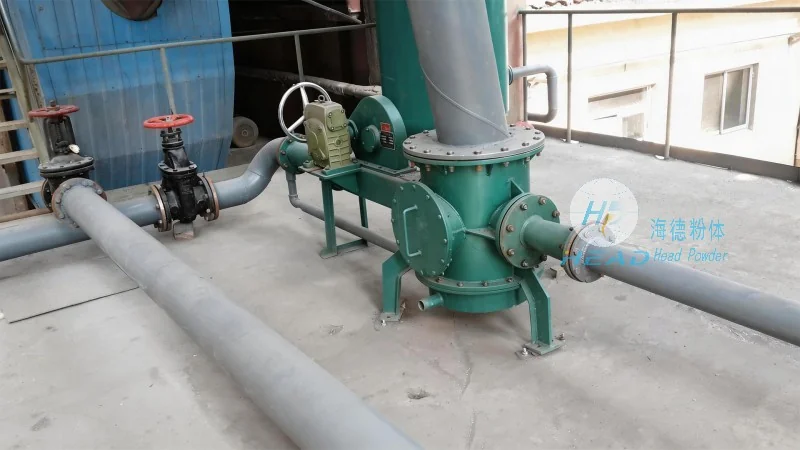
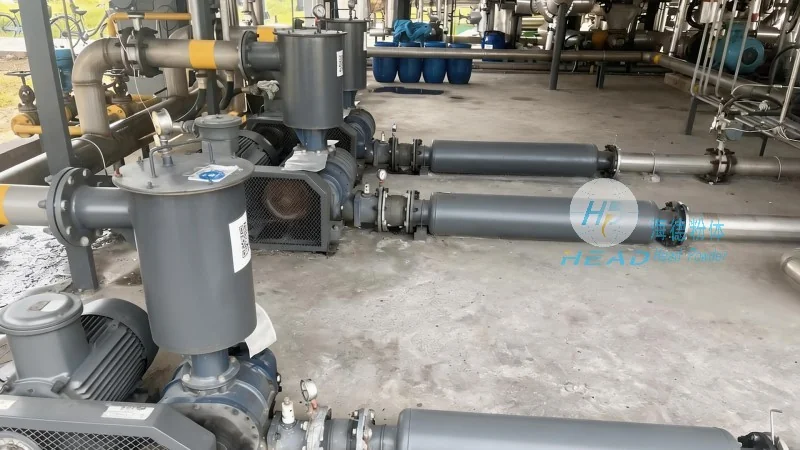
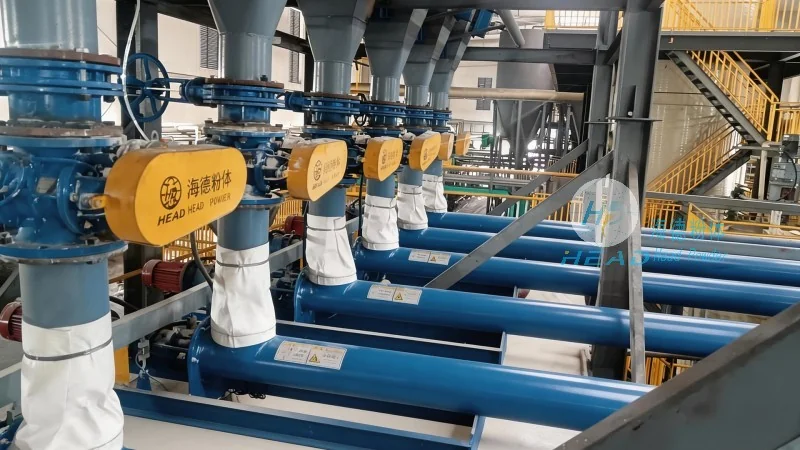
The core of titanium dioxide powder conveying systems revolves around the movement of fine particles through a controlled environment. Common methods include screw conveyors, pneumatic conveying systems, and bucket elevators. Each method operates based on different physical principles to ensure the smooth transport of the powder. For instance, screw conveyors utilize rotating screws to push the material forward, leveraging the friction between the screw and the powder to maintain flow. Pneumatic conveying, on the other hand, uses air pressure to transport the powder in a pipeline, where the velocity of the air stream is critical to prevent particle separation and blockages. The selection of a specific method depends on the characteristics of the titanium dioxide powder, such as its particle size distribution, moisture content, and cohesive properties.
Key Characteristics of Efficient Titanium Dioxide Conveying Systems
Efficient titanium dioxide powder conveying systems exhibit several distinct characteristics that enhance performance and reliability. First, they must maintain a consistent flow rate to avoid overloading or underloading of processing equipment. This is achieved through precise control of the conveying speed and the pressure or vacuum levels in pneumatic systems. Second, the systems are designed to minimize dust generation and ensure environmental compliance. Features such as sealed housing, dust collection systems, and proper ventilation are integral to maintaining a safe working environment. Third, durability and resistance to wear are essential due to the abrasive nature of titanium dioxide particles. High-quality materials and robust construction are used to extend the lifespan of the equipment and reduce maintenance costs. Additionally, energy efficiency is a key consideration, as conveying systems can account for a significant portion of operational expenses. Advanced designs, such as variable speed drives and optimized air flow, help reduce energy consumption while maintaining performance.
Conclusion and Practical Applications
In conclusion, the working principle and characteristics of titanium dioxide powder conveying are fundamental to the success of industrial processes that rely on this essential pigment. By understanding the mechanisms behind efficient powder handling, industries can improve productivity, reduce costs, and ensure compliance with safety and environmental standards. Companies like Shandong HeadPowder Engineering Co., Ltd. play a vital role in providing tailored solutions that address the specific challenges of titanium dioxide powder transport, contributing to the overall efficiency and sustainability of industrial operations.




