Polyvinyl chloride (PVC) powder is a widely used thermoplastic material in various industrial applications, from construction to manufacturing. Efficient and reliable powder conveying is crucial for maintaining production efficiency and product quality. This article explores the working principle and key characteristics of PVC powder conveying systems, providing insights into how these systems operate and their advantages in handling PVC powders.
Working Principle of PVC Powder Conveying
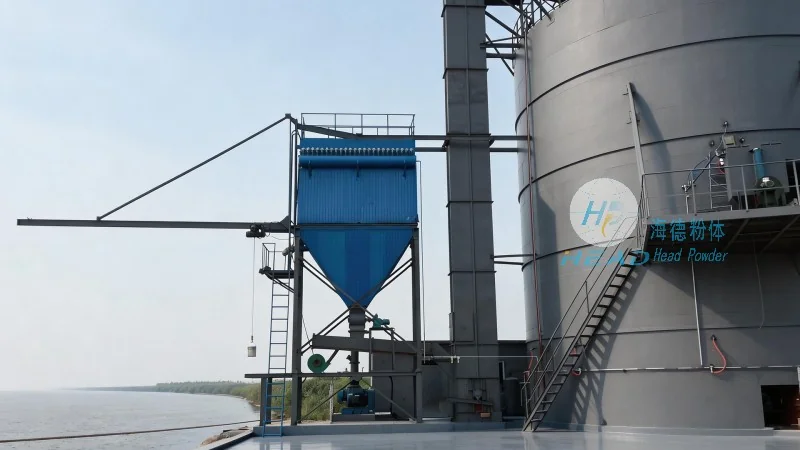
The working principle of PVC powder conveying typically involves a combination of mechanical and pneumatic components designed to transport the fine powder from a source to a destination. The process generally starts with the PVC powder being stored in a hopper or silo. From there, the powder is fed into a conveyor system, which may include components such as a rotary valve, a feeder, and a conveying line. In many cases, pneumatic conveying is employed, where compressed air is used to move the powder through a pipeline. The air velocity and pressure are carefully controlled to ensure the powder is transported without clogging or degradation. The system may also incorporate features like dust collection and filtration to maintain air quality and prevent powder loss. The entire process is designed to be energy-efficient and maintain the integrity of the PVC powder, which is essential for downstream processing steps.
Key Characteristics of PVC Powder Conveying
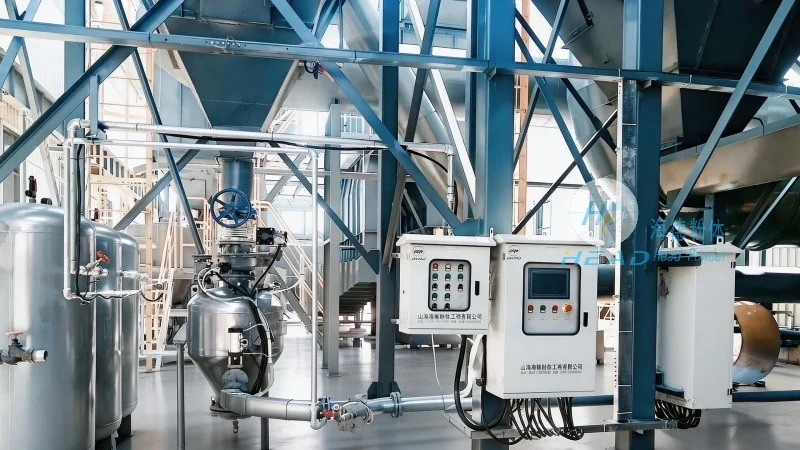
PVC powder conveying systems exhibit several notable characteristics that make them suitable for industrial applications. First, they are designed to handle fine, abrasive powders like PVC without causing excessive wear or degradation. The materials used in the construction of the conveying components, such as stainless steel or specialized plastics, are chosen to resist corrosion and abrasion from the PVC powder. Second, these systems are often equipped with features that enhance safety and efficiency, including automatic shut-off valves, pressure relief mechanisms, and monitoring systems. Third, the conveying process is typically gentle on the powder, minimizing the risk of agglomeration or particle breakage, which can affect the final product's properties. Additionally, modern PVC powder conveying systems are often integrated with control systems that allow for real-time monitoring and adjustment of parameters like air flow and pressure, ensuring optimal performance. These characteristics collectively contribute to the reliability and effectiveness of PVC powder handling in industrial settings.
Application Considerations for PVC Powder Handling
When implementing PVC powder conveying systems, several factors must be considered to ensure optimal performance and safety. The first consideration is the particle size and moisture content of the PVC powder, as these properties can affect the conveying efficiency and system design. Larger particles may require different feeder designs, while higher moisture content could necessitate additional drying steps before conveying. Second, the distance and layout of the conveying line are critical, as they impact the air pressure and velocity required for effective transport. Properly sized pipelines and appropriate air velocity are essential to prevent blockages and ensure consistent flow. Third, the environmental conditions, such as temperature and humidity, can influence the performance of the conveying system. For example, in high-temperature environments, special materials or cooling systems may be needed to prevent PVC degradation. Finally, the integration of the conveying system with other processing equipment, such as mixers or extruders, is important to maintain a smooth production flow. By addressing these considerations, industrial facilities can optimize their PVC powder handling processes and improve overall operational efficiency.
Company Overview: Shandong HeadPowder Engineering Co., Ltd.
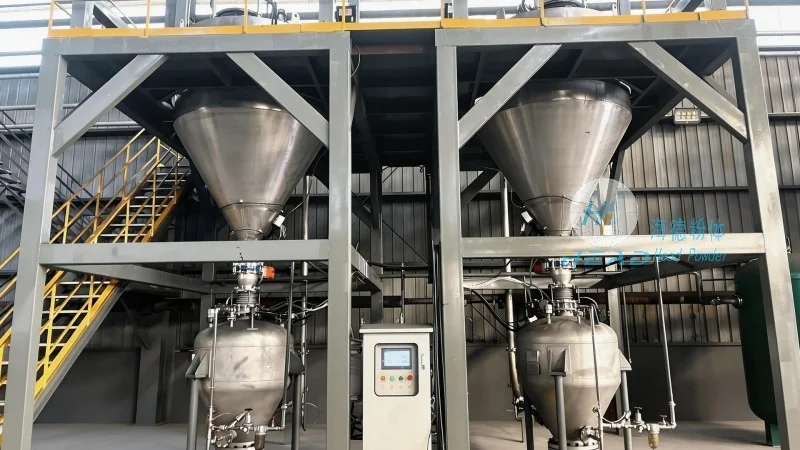
Shandong HeadPowder Engineering Co., Ltd., operating under the brand name HeadPowder, is a leading provider of engineering solutions for powder handling and conveying systems. With a focus on innovation and quality, the company specializes in designing and manufacturing equipment tailored to the unique needs of industries that handle fine powders, including PVC. HeadPowder's expertise lies in creating customized conveying solutions that ensure efficient, safe, and reliable transport of materials like PVC powder. The company's commitment to customer satisfaction and technical excellence has established it as a trusted partner in the powder handling industry. HeadPowder's products are engineered to meet the highest standards of performance and durability, providing long-term value to clients in various sectors. By leveraging advanced technology and a deep understanding of powder flow dynamics, HeadPowder delivers solutions that enhance productivity and reduce operational costs for its customers.




