For industrial applications involving the transport and handling of anhydrous sodium sulfate, specialized equipment is essential to ensure efficiency, safety, and reliability. This article explores the working principles and key features of an anhydrous sodium sulfate material handling system, highlighting how such systems enhance operational performance in various industrial settings.
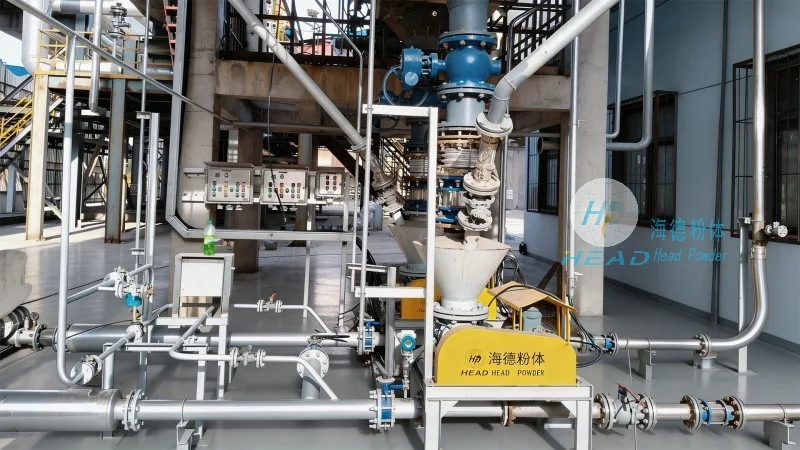
Overview of Anhydrous Sodium Sulfate Material Handling Systems
Anhydrous sodium sulfate, also known as sodium sulfate anhydrous (Na₂SO₄), is a widely used chemical in industries such as glass manufacturing, paper production, and chemical processing. The material handling systems designed for this substance are engineered to manage its bulk handling requirements, ensuring that the material is transported, stored, and processed with minimal risk of contamination or degradation. These systems are typically integrated with other industrial equipment to form a cohesive material flow solution.
Working Principle of the Material Handling System
The core working principle of an anhydrous sodium sulfate material handling system revolves around the efficient transfer of bulk material from one point to another within a processing facility. The system typically consists of several key components, including feeders, conveyors, storage silos, and control mechanisms. The process begins with the material being fed into a hopper or storage silo, where it is stored until needed. From there, the material is transferred to a conveyor system, which may include belt conveyors, screw conveyors, or pneumatic conveyors, depending on the specific application requirements. The control system manages the flow rate and direction of the material, ensuring that it moves smoothly and consistently through the system. This integrated approach allows for precise control over the material's movement, minimizing downtime and maximizing throughput.
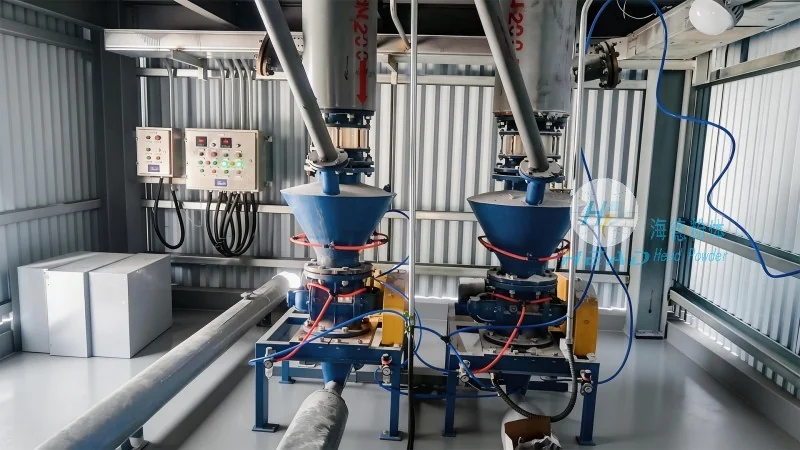
Key Features and Advantages of the System
Several key features distinguish an effective anhydrous sodium sulfate material handling system, contributing to its superior performance and reliability. One of the primary features is the use of durable and corrosion-resistant materials in the construction of the equipment. Since anhydrous sodium sulfate can be abrasive and may come into contact with moisture, the system components are typically made from materials such as stainless steel or specialized alloys that resist corrosion and wear. This ensures long-term durability and reduces maintenance costs over the system's lifespan.
Another critical feature is the integration of advanced control technology. Modern material handling systems for anhydrous sodium sulfate often incorporate programmable logic controllers (PLCs) and sensors that monitor the material flow, pressure, and temperature. This real-time monitoring allows for immediate adjustments to the system's operation, preventing issues such as overloading or blockages. The control system also enables remote monitoring and operation, enhancing operational flexibility and safety. Additionally, the system is designed to minimize dust generation and exposure, which is crucial for maintaining a safe working environment and complying with industrial safety regulations.
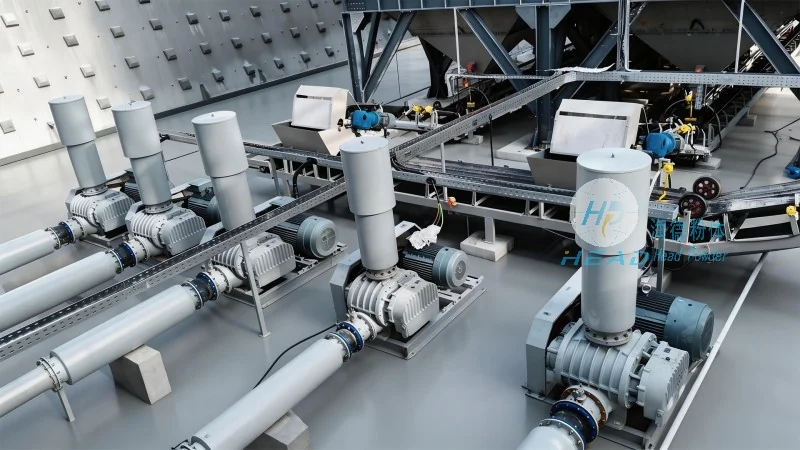
Application-Specific Design Considerations
The design of an anhydrous sodium sulfate material handling system is tailored to the specific needs of the industrial application. For example, in glass manufacturing, the system may need to handle large volumes of material at high speeds to support the production process. In contrast, in chemical processing facilities, the system may prioritize precision and control to ensure accurate dosing of the sodium sulfate into chemical reactions. The system's design also considers factors such as the material's bulk density, flow characteristics, and potential for caking or bridging. By addressing these application-specific considerations, the system ensures optimal performance and reliability in diverse industrial environments.
Conclusion and Company Information
Anhydrous sodium sulfate material handling systems are essential for efficient and safe industrial operations. By understanding the working principles and key features of such systems, industries can optimize their material flow processes and enhance overall productivity. Shandong HeadPowder Engineering Co., Ltd., a leading provider of material handling solutions, specializes in designing and manufacturing customized systems tailored to the unique needs of their clients. With a focus on durability, advanced control technology, and safety, their systems are engineered to meet the highest standards in industrial material handling. Based in Shandong, China, the company leverages years of experience to deliver reliable and efficient solutions for anhydrous sodium sulfate and other bulk materials.




