For industries dealing with bulk materials like stones, coal powders, and other granular or powdery substances, efficient material handling is crucial. Pneumatic conveying systems, particularly those designed for stone and coal powder applications, offer a reliable solution. This article explores the working principle and key features of such systems, highlighting their operational efficiency and suitability for various industrial processes.
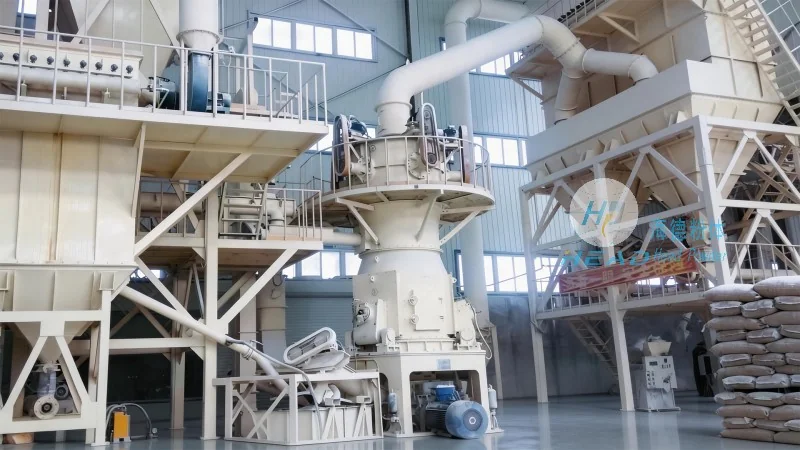
Understanding the Working Principle of Pneumatic Conveying Lines
Pneumatic conveying systems utilize air or gas to transport bulk materials through a pipeline network. The core mechanism involves creating a pressure differential to move the material from the source to the destination. There are primarily two types of pneumatic conveying systems: suction (or vacuum) and pressure systems. Each operates based on different principles but shares the common goal of efficient material transport.
1. **Suction (Vacuum) Pneumatic Conveying**: This system operates by creating a vacuum at the inlet point, drawing the material into the pipeline using an air stream. The material is then carried through the pipeline to a separation unit where it is deposited. The suction system is ideal for applications where the material needs to be collected from multiple points or over a wide area, as it can pull material from various sources into a central collection point.
2. **Pressure Pneumatic Conveying**: In contrast, pressure systems use compressed air to push the material through the pipeline. The material is loaded into a hopper or container, and then a high-pressure air stream forces it through the pipeline to the discharge point. Pressure systems are typically used for long-distance or high-volume transport where the material needs to be moved over significant distances or to multiple destinations.
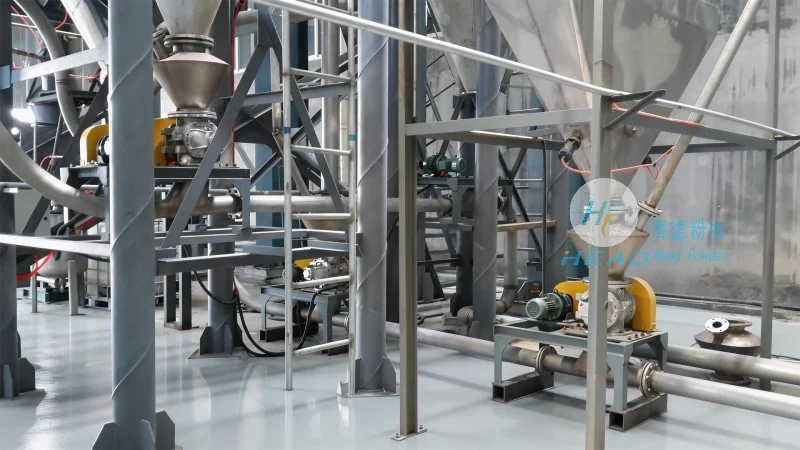
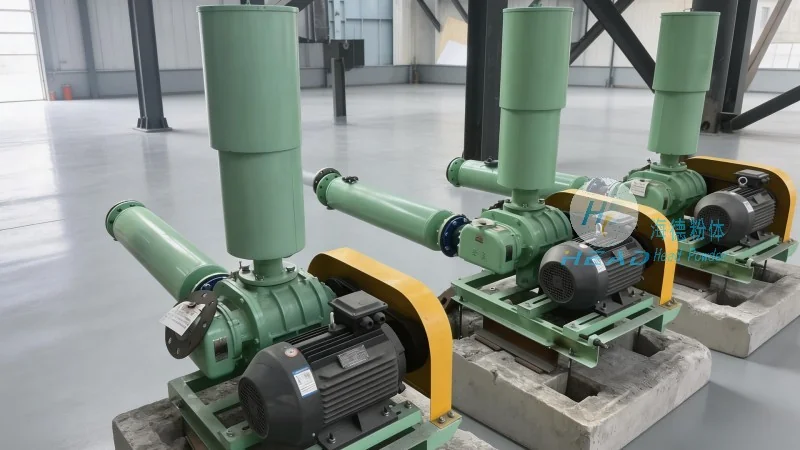
Both systems rely on key components to ensure smooth operation. These include the inlet or loading device (such as a hopper or rotary valve), the conveying pipeline (often made of stainless steel or other corrosion-resistant materials), a separation unit (like a cyclone or bag filter) to separate the material from the air, and a fan or blower to generate the necessary air flow. The fan or blower provides the motive force, either by creating a vacuum in suction systems or pressurizing the system in pressure systems.
Key Features and Advantages of Pneumatic Conveying Systems
Pneumatic conveying systems for stone and coal powder applications offer several distinct advantages that make them a preferred choice in many industries. These features are designed to enhance operational efficiency, reduce costs, and improve material handling safety.
1. **High Efficiency and Capacity**: Pneumatic conveying systems can handle large volumes of material at high speeds, making them suitable for high-throughput applications. The ability to transport materials over long distances without the need for intermediate storage or manual handling significantly increases operational efficiency.
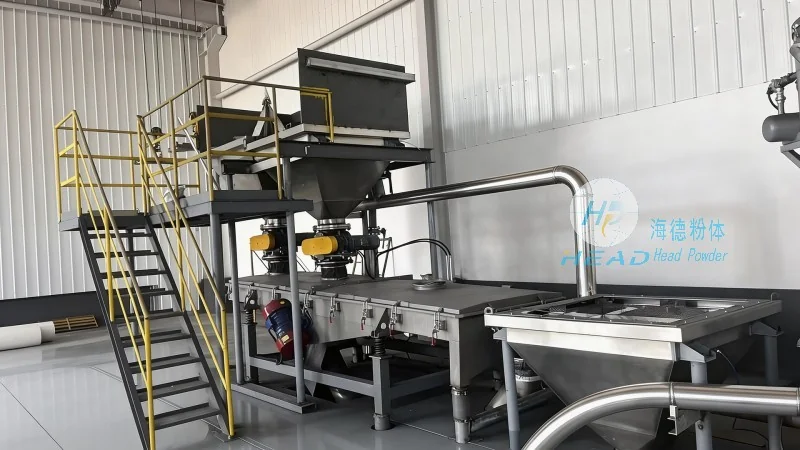
2. **Environmental Friendliness**: Unlike traditional methods such as belt conveyors or bucket elevators, pneumatic systems are enclosed, reducing dust emissions and minimizing environmental impact. This is particularly important for handling powders like coal, which can be hazardous if released into the air. The enclosed system also helps in maintaining a clean working environment.
3. **Versatility in Material Handling**: These systems are highly adaptable and can handle a wide range of materials, including abrasive stones, fine coal powders, and other bulk solids. The design can be customized to accommodate different particle sizes, densities, and flow characteristics, ensuring optimal performance for specific applications.
4. **Space Efficiency and Flexibility**: Pneumatic conveying systems are relatively compact and can be installed in various layouts, including vertical, horizontal, or a combination of both. This flexibility allows for integration into existing facilities without major structural modifications. The ability to route the pipeline around obstacles or through different levels makes them ideal for complex plant layouts.
5. **Low Maintenance Requirements**: Compared to mechanical systems like belt conveyors, pneumatic systems have fewer moving parts, reducing the likelihood of mechanical failures. The enclosed design also minimizes the need for regular cleaning and maintenance, as the system is less prone to contamination from external sources.
Company Profile: Shandong HeadPowder Engineering Co., Ltd.
HeadPowder, as a leading manufacturer of pneumatic conveying equipment, specializes in designing and manufacturing systems tailored to the needs of industries dealing with bulk materials. With a strong focus on innovation and quality, HeadPowder has established itself as a trusted partner in providing efficient and reliable material handling solutions. The company’s products are engineered to meet the highest standards of performance and durability, ensuring long-term operational reliability.
HeadPowder’s facilities are located in Shandong, China, where the company leverages advanced manufacturing technologies and a skilled workforce to produce cutting-edge pneumatic conveying systems. The company’s commitment to customer satisfaction and technical excellence has earned it a reputation for delivering solutions that enhance productivity and reduce operational costs for its clients.
For businesses seeking to optimize their material handling processes, HeadPowder offers comprehensive solutions that address the unique challenges of transporting stones, coal powders, and other bulk materials. By combining advanced engineering with practical application expertise, HeadPowder ensures that its systems not only meet but exceed industry expectations, providing a sustainable and efficient approach to material transport.




