HeadPowder, a leading manufacturer based in Shandong, China, specializes in the design and production of pneumatic conveying equipment for limestone and other bulk materials. This article provides an in-depth look at the working principle and key features of such equipment, highlighting its efficiency and reliability in industrial applications.
Working Principle of Limestone Material Pneumatic Conveying Equipment
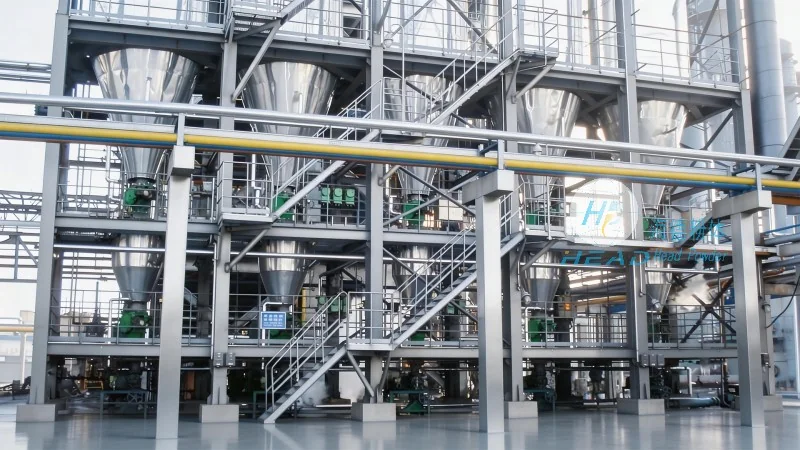
The core of a pneumatic conveying system is the method by which bulk materials are transported through a pipeline using air or gas. For limestone, which is often used in industries like steel, cement, and chemical processing, the equipment operates on the principle of creating a pressure differential. The system typically consists of a hopper, a feeder, a conveying line, and a receiver. The process begins when the limestone is fed into the hopper. The feeder then meters the material into the conveying line, where it is entrained by a high-velocity air stream. This air stream, generated by a positive displacement blower or a rotary lobe pump, carries the limestone particles through the pipeline to the destination, such as a storage silo or processing unit. The receiver at the end of the line separates the material from the air, often using a cyclone or a bag filter, and collects the limestone for further use. The air is then filtered and returned to the system or released to the atmosphere, depending on the design.
Key Features of Limestone Pneumatic Conveying Equipment
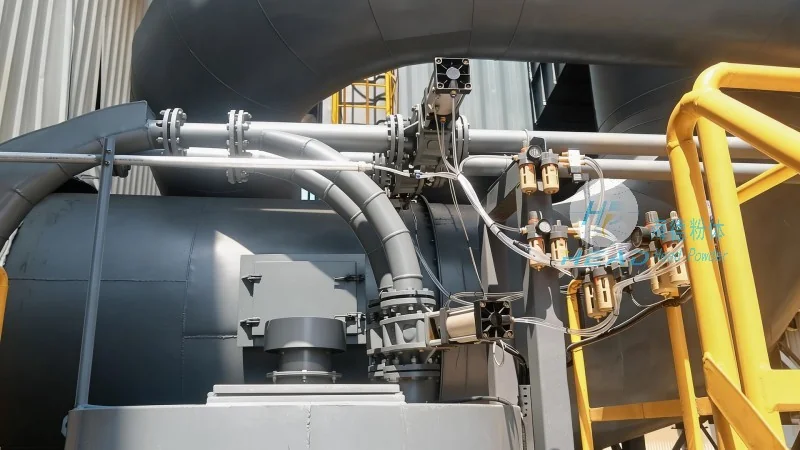
Several key features make this equipment suitable for handling limestone and other similar materials. First, it offers a dust-free and enclosed transport process, which is crucial for maintaining a clean and safe working environment, especially in industries where dust control is mandatory. Second, the system is highly flexible, allowing for changes in the conveying route or capacity without major modifications to the infrastructure. Third, it provides a continuous and reliable flow of material, reducing downtime and improving overall productivity. Fourth, the equipment is designed for low maintenance, with components like the feeder and blower built to withstand the abrasive nature of limestone, minimizing the need for frequent repairs. Additionally, the system can handle a wide range of limestone particle sizes, from fine powders to larger chunks, making it versatile for various applications. The use of positive pressure ensures that the material is conveyed without the risk of backflow or contamination, which is essential for maintaining product quality.
Applications and Benefits in Industrial Settings
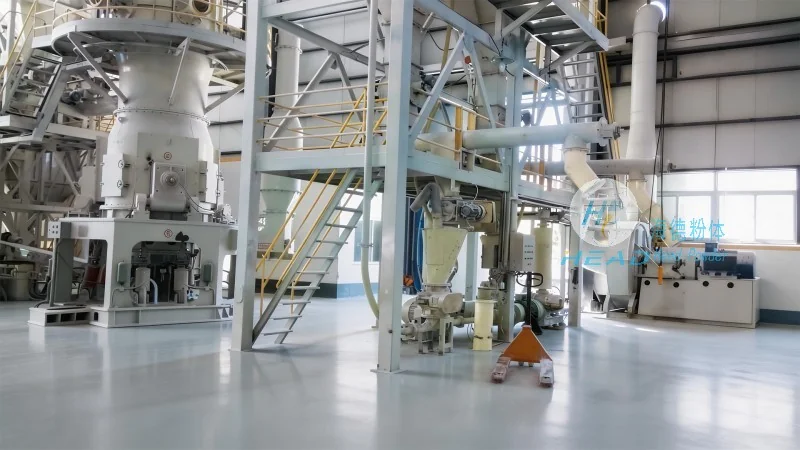
Limestone pneumatic conveying equipment is widely used in industrial settings where bulk material handling is critical. In the cement industry, it is used to transport limestone from storage to the raw mill, ensuring a steady supply of raw material for production. In the steel industry, it helps in conveying limestone for flue gas desulfurization, contributing to environmental compliance. The chemical industry also benefits from this equipment for transporting limestone used in various chemical processes. The benefits extend beyond just material transport; the enclosed system reduces the risk of dust exposure, improving worker safety and compliance with occupational health regulations. Furthermore, the efficiency of the system leads to lower energy consumption compared to traditional methods like belt conveyors, which can be more expensive to operate and maintain. The reliability of the equipment also contributes to reduced operational costs, as it minimizes the need for manual handling and associated labor costs.




