Continuous material handling systems are integral to modern industrial operations, enabling the efficient and automated movement of goods from one point to another within a facility or across different locations. These systems are designed to streamline processes, reduce labor costs, and enhance overall productivity by eliminating manual handling of materials. The core of such systems lies in their ability to maintain a continuous flow of items, whether in manufacturing, warehousing, or distribution centers.
Understanding Continuous Material Handling Systems
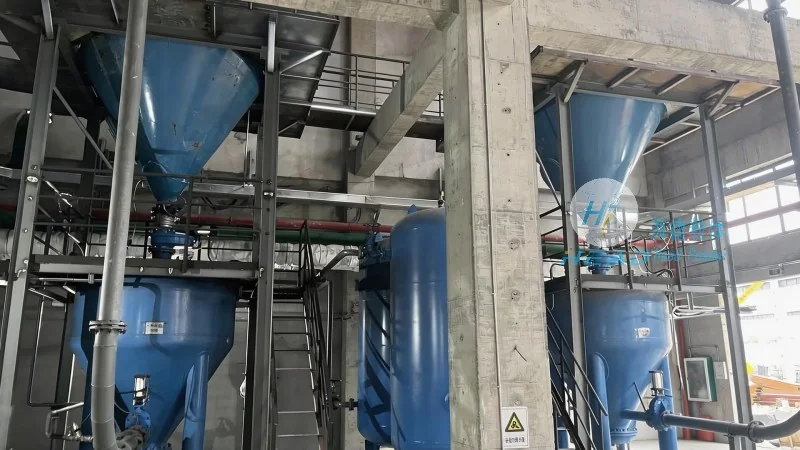
A continuous material handling system is a network of equipment and mechanisms that work together to transport materials without interruption. Unlike batch handling systems, which move items in discrete batches, continuous systems ensure a steady, unbroken flow of products. This is achieved through various components such as conveyors, rollers, belts, and automated guided vehicles (AGVs), all integrated to facilitate seamless material movement. The primary goal is to minimize downtime and maximize throughput, making these systems essential for high-volume operations.
Key Design Principles for Effective Material Handling
The design of a continuous material handling system is governed by several critical principles that ensure optimal performance and efficiency. First, the system must be tailored to the specific characteristics of the materials being handled—such as size, weight, and shape—to ensure compatibility with the chosen equipment. Second, the layout of the system should be optimized for the workflow, minimizing the distance materials need to travel and reducing the need for manual intervention. Third, redundancy and reliability are crucial; systems often incorporate backup components or alternative routes to prevent bottlenecks and ensure continuous operation. Fourth, integration with other processes, such as inventory management or quality control, is vital to maintain a cohesive operational environment. Lastly, scalability is a key consideration, as the system should be able to adapt to future growth or changes in production demands.
Components of a Typical Continuous Material Handling System
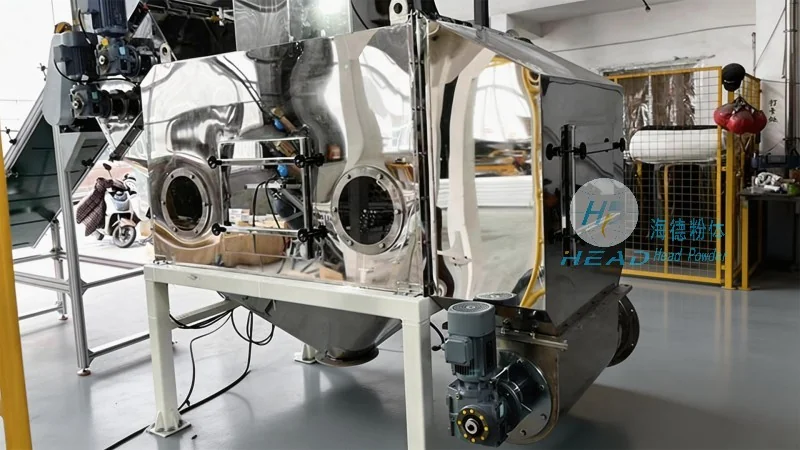
At the heart of a continuous material handling system are several key components that work in concert to achieve the desired results. The most common component is the conveyor system, which can include belt conveyors, chain conveyors, or roller conveyors, depending on the application. These conveyors are designed to move materials horizontally, vertically, or at an incline, providing flexibility in material movement. Automated guided vehicles (AGVs) and automated storage and retrieval systems (AS/RS) are also integral, especially in larger facilities, as they can navigate complex layouts and transport heavy or bulky items. Additionally, sensors and control systems are used to monitor the flow of materials, detect obstacles, and adjust the system's operation in real-time, ensuring smooth and efficient operation.
Applications and Industries Benefiting from Continuous Material Handling
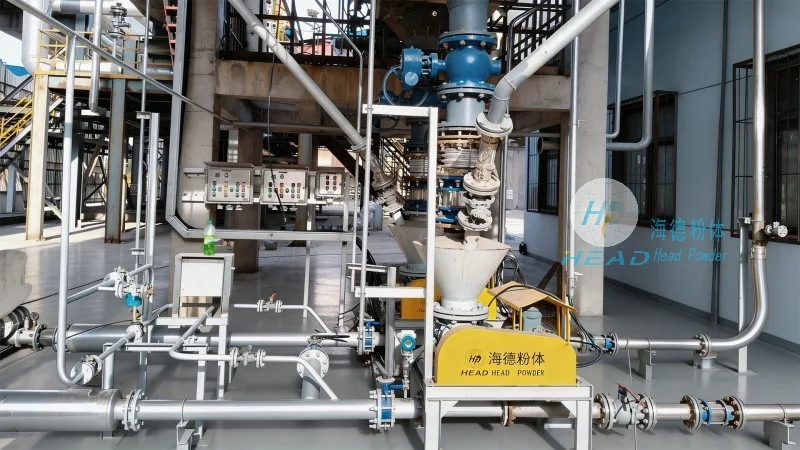
Continuous material handling systems are widely used across various industries, each with unique requirements. In manufacturing, these systems are crucial for moving raw materials to production lines and finished products to packaging areas. Warehousing and distribution centers rely on them to transport inventory between storage and shipping areas, improving order fulfillment times. The food and beverage industry uses continuous systems for processing and packaging, while the automotive sector employs them for assembly line operations. Even in the logistics and e-commerce sectors, these systems enhance the speed and accuracy of order processing and delivery. The versatility of continuous material handling systems makes them indispensable in any operation where efficiency and productivity are paramount.
Case Study: Shandong HeadPowder Engineering Co., Ltd.
Shandong HeadPowder Engineering Co., Ltd., a leading provider of material handling solutions, specializes in designing and implementing continuous material handling systems tailored to the needs of various industries. With a strong commitment to innovation and customer satisfaction, the company has successfully delivered numerous projects across China. HeadPowder's expertise lies in understanding the specific challenges of each client and developing customized solutions that enhance operational efficiency. The company's systems are built with high-quality components, ensuring durability and reliability, and are backed by comprehensive support services, including maintenance and technical assistance. By leveraging advanced technology and a deep understanding of material handling principles, HeadPowder has helped numerous businesses improve their productivity and reduce operational costs. The company's headquarters is located in Shandong, China, where it continues to serve clients with cutting-edge solutions and exceptional service.




