Coal gangue, also known as coal waste or mine rock, is a byproduct of coal mining and processing. Efficient handling and transportation of this material are crucial for environmental protection and resource utilization. Pneumatic conveying equipment offers a reliable solution for moving coal gangue from one location to another, ensuring safe and effective material transfer. This article explores the working principle and key features of such equipment, highlighting its importance in modern industrial applications.
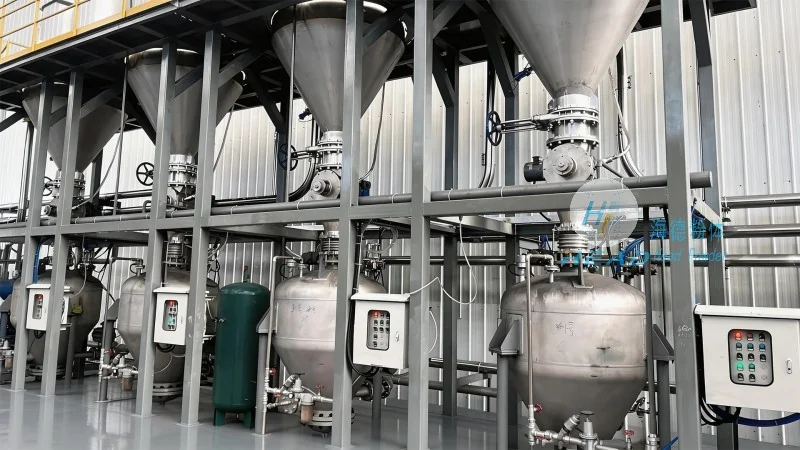
Working Principle of Coal Gangue Material Pneumatic Conveying Equipment
The core of pneumatic conveying systems lies in the use of compressed air or vacuum to transport bulk materials like coal gangue. The equipment typically operates through either suction (induced flow) or pressure (forced flow) mechanisms. In suction systems, a vacuum is created at the material intake point, drawing the coal gangue particles into a pipeline along with air. The mixture then travels to a separation unit where the material is separated from the air, often through a cyclone or filter. Pressure systems, on the other hand, use compressed air to push the material through the pipeline, with the material being discharged at the end of the line.
Key components of the system include the material intake hopper, the conveying pipeline, the air compressor or vacuum pump, and the separation and discharge unit. The intake hopper ensures a consistent feed of coal gangue, while the pipeline transports the material to the destination. The air compressor or vacuum pump provides the necessary pressure or vacuum to move the material. The separation unit, such as a cyclone separator, separates the material from the air, allowing the material to be collected and the air to be recycled or discharged. This process is continuous and can handle large volumes of coal gangue, making it an efficient solution for material transport.
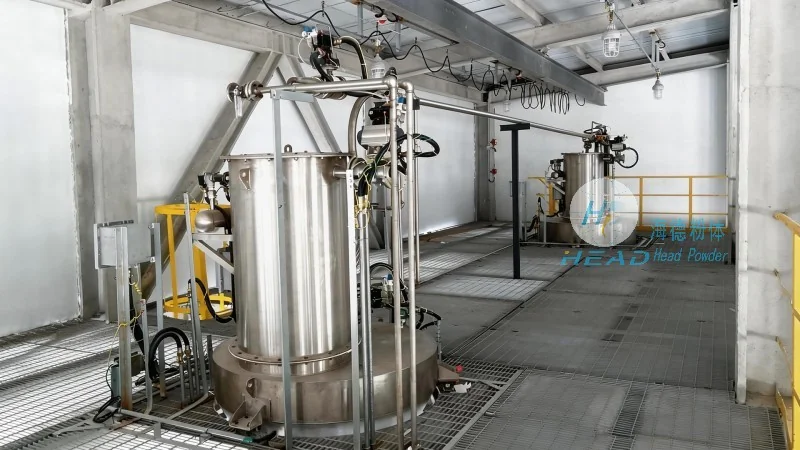
Key Features of Coal Gangue Material Pneumatic Conveying Equipment
One of the primary advantages of pneumatic conveying equipment for coal gangue is its ability to handle abrasive and dusty materials without causing wear and tear on the system components. The design of the equipment, including the use of robust materials for the pipeline and separation units, ensures long-term durability and low maintenance costs. Additionally, the system is highly flexible, allowing for changes in the conveying route or material flow rate without significant modifications.
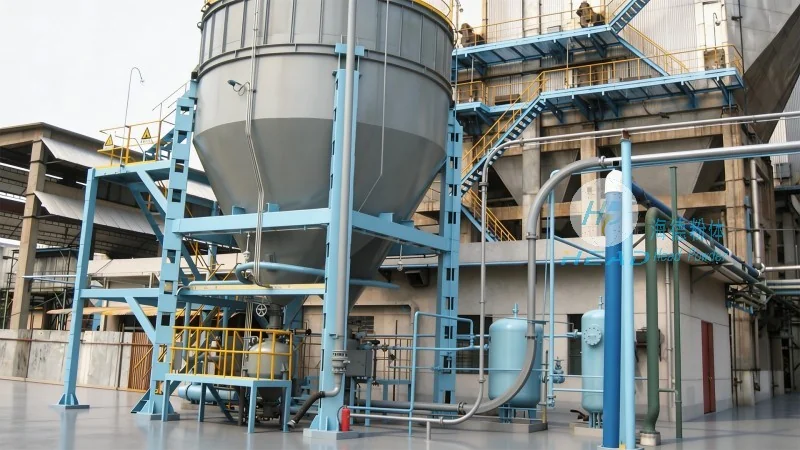
Environmental benefits are another significant feature. Pneumatic conveying systems can be equipped with dust collection and filtration systems, reducing air pollution and meeting environmental regulations. This is particularly important for coal gangue, which can be a source of dust and particulate matter. The system also minimizes the risk of material spillage or contamination, as the material is contained within the pipeline throughout the conveying process.
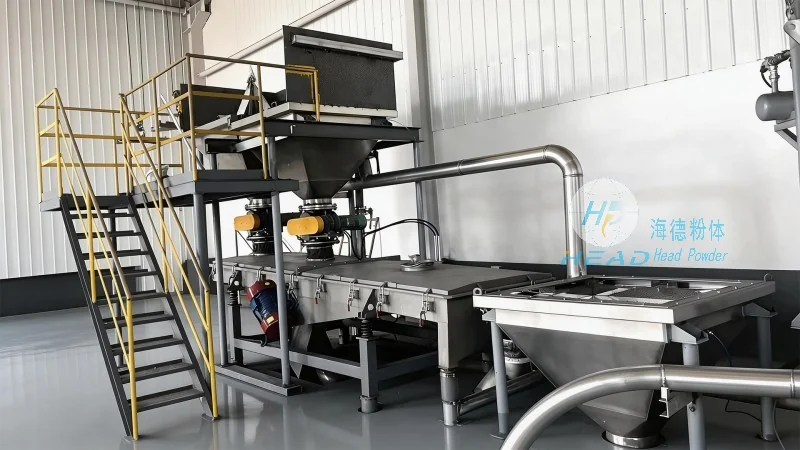
Efficiency and reliability are critical aspects of the equipment. Modern pneumatic conveying systems are equipped with advanced controls and monitoring systems that ensure optimal performance and minimal downtime. The use of high-quality materials and components ensures consistent operation, even with abrasive coal gangue particles. Furthermore, the system can be integrated with other industrial processes, such as crushing or screening, to form a complete material handling solution.
About Shandong HeadPowder Engineering Co., Ltd.
Shandong HeadPowder Engineering Co., Ltd., commonly known as HeadPowder, is a leading manufacturer of pneumatic conveying equipment and related solutions. With a focus on innovation and quality, the company has established itself as a trusted provider in the industry. HeadPowder's products are designed to meet the specific needs of various industries, including mining, power generation, and construction. The company's headquarters is located in Shandong, China, where it operates a state-of-the-art manufacturing facility and research and development center.




